IEA to make emergency release of 20 million barrels of diesel... less than a day's worth of global consumption
- Input
- 2026-10-16 02:32:41
- Updated
- 2026-10-16 02:32:41
The IEA said in a statement on the 15th (local time) that its member countries had agreed to release more than 20 million barrels of diesel “as soon as possible.” That is equivalent to about five days of U.S. diesel consumption.
No specific release schedule has been disclosed. Earlier, the Group of Seven (G7) announced on the 2nd that it would release a substantial amount of its diesel reserves over the next 20 days. If the same schedule applies, about 1 million barrels would be supplied to the market each day.
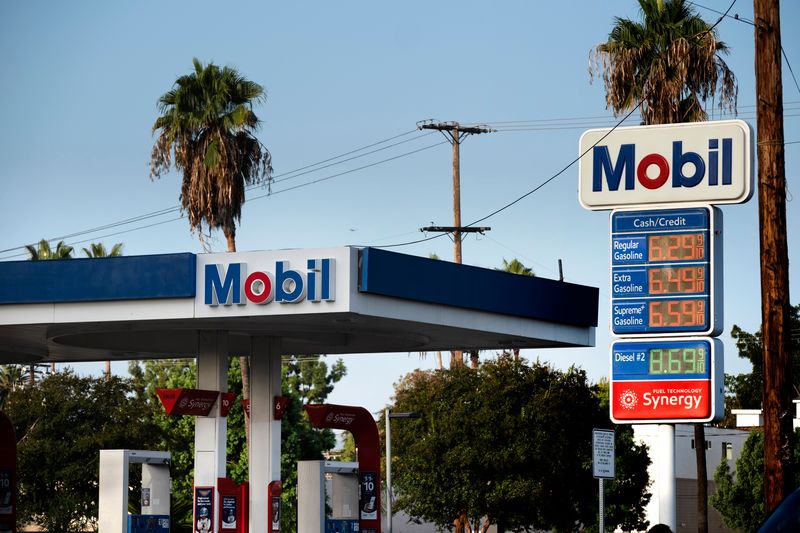
The move follows strong pressure from the U.S. administration of Donald Trump on European countries to release diesel from their reserves. According to the American Automobile Association (AAA), the average retail price of diesel in the United States was $6.32 per gallon that day, up more than 70% from a year earlier. President Trump is under political pressure to stabilize fuel prices ahead of the midterm elections on the 3rd of next month.
However, experts say that releasing reserves alone will not be enough to address the supply shortage. Production continues to be disrupted by Ukraine's attacks on Russian refineries and by attacks on energy facilities in the Middle East by Iran and the Houthi rebels.
Andy Lipow, president of Lipow Oil Associates, told CNBC, “The release of IEA diesel reserves does not address the fundamental questions of how to increase production at damaged refineries in the Middle East and Russia, or how to expand output at U.S. refineries that are already operating at maximum capacity.”
Meanwhile, the IEA said it had released 330 million barrels so far under the plan, agreed last March, to release 400 million barrels of oil from reserves, and that it would supply the remaining committed volume in line with each country's circumstances.
[email protected] Correspondent Lee Byung-chul Reporter