“I earn 40 million won a year—can I afford a home in Seoul?” ... So many apartments for 400–500 million won [Jip Nawa-ra Ttukttak!]
- Input
- 2026-10-16 07:00:00
- Updated
- 2026-10-16 07:00:00
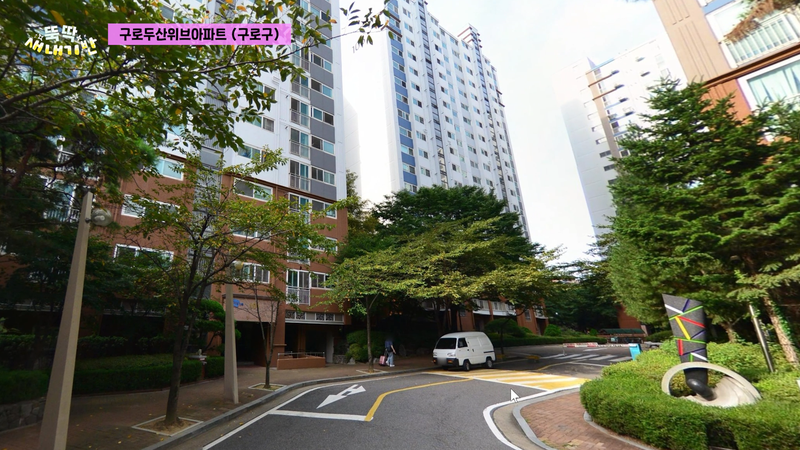
On the 16th, Financial News’ real estate YouTube channel “Jip Nawa-ra Ttukttak!” explored realistic ways to buy a home in Seoul on an annual salary of 40–50 million won.
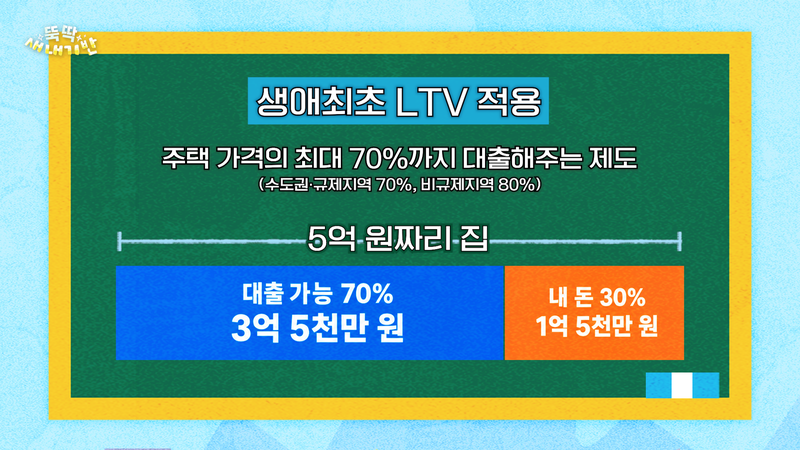
Experts generally consider a home priced at eight to ten times a buyer’s annual salary to be within a manageable purchasing range. For employees earning 40–50 million won before tax, an apartment in the 400-million-won range is a suitable target; for those earning 50–60 million won, one in the 500-million-won range is appropriate.
The biggest advantage for first-time buyers who are young and do not own a home is the “first-time homebuyer loan-to-value ratio (LTV).” Even in regulated areas of the Seoul metropolitan region, including Seoul, first-time buyers can qualify for an LTV of up to 70%. For an apartment costing 500 million won, that means a theoretical maximum loan of 350 million won; with roughly 150 million won in savings for a down payment, buyers can register the transfer of ownership.

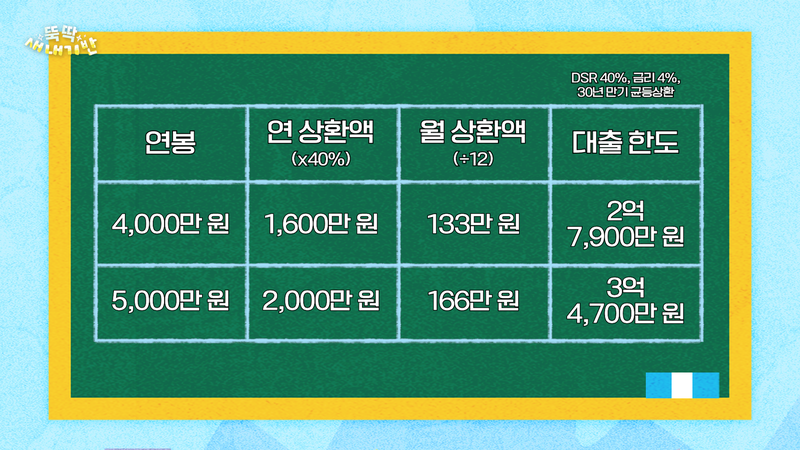
If the annual salary before tax rises to 50 million won, the annual repayment limit increases to 20 million won (about 1.66 million won a month), and the maximum loan rises to 347 million won. One thing to keep in mind is that close to half of a monthly salary would go toward principal and interest payments.
Pairing a purchase with the Bogeumjari Loan, a policy mortgage available for homes with official assessed and actual transaction prices of 600 million won or less, can also provide a safeguard in an era of high interest rates. The loan is available to young people and to couples in which one spouse has an annual income of 70 million won or less.
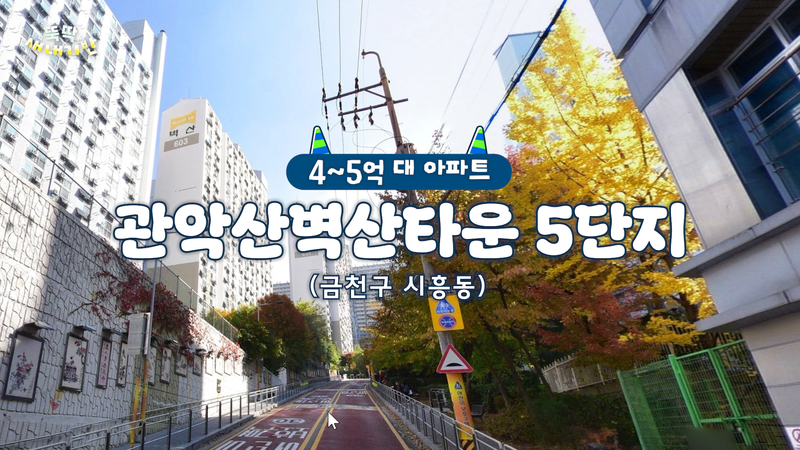
One of the first places to draw attention is Sanggye Jugong Complex 14 in Sanggye-dong, Nowon District. The area around Sanggye-dong, with its large residential community of complexes numbered 1 through 16, is considered a prime location in northeastern Seoul with excellent amenities. A 49-square-meter unit (21 pyeong) in the complex sold for 427 million won in August. The complex has 2,265 households, and its prime location just a two-minute walk from Madeul Station on Line 7 is a major advantage.
Shindonga 1st Complex in Banghak-dong, Dobong District, is attracting buyers on the strength of its redevelopment prospects. In September, a 53-square-meter unit (22 pyeong, with two bedrooms and one bathroom) sold for 450 million won. Completed in 1986, the complex has 3,169 households and is described as the largest reconstruction project in Dobong District. Listings are being snapped up quickly as buyers rush to purchase before a project implementer is appointed. The complex is not currently within walking distance of a subway station, but an extension of the Ui-Sinseol Line connecting Solbat Park Station and Banghak Station on Line 1 is under construction, with service targeted to begin in 2032.
For people seeking to live near work in southwestern Seoul, Guro Doosan We’ve in Guro-dong, Guro District, is presented as an alternative. A 36-square-meter unit (16 pyeong) sold for 590 million won in October. Although relatively small, it is right in front of Namguro Station on Line 7, just one stop from Gasan Digital Complex (G Valley). It also offers excellent access to Daerim Station on Line 2 and Yeouido, drawing increasing numbers of young workers and newlyweds.

[email protected] Jeon Min-kyung Reporter