Harris, too, visits K-shipbuilding; hopes for MASGA span U.S. political divide
- Input
- 2026-10-16 06:59:00
- Updated
- 2026-10-16 06:59:00
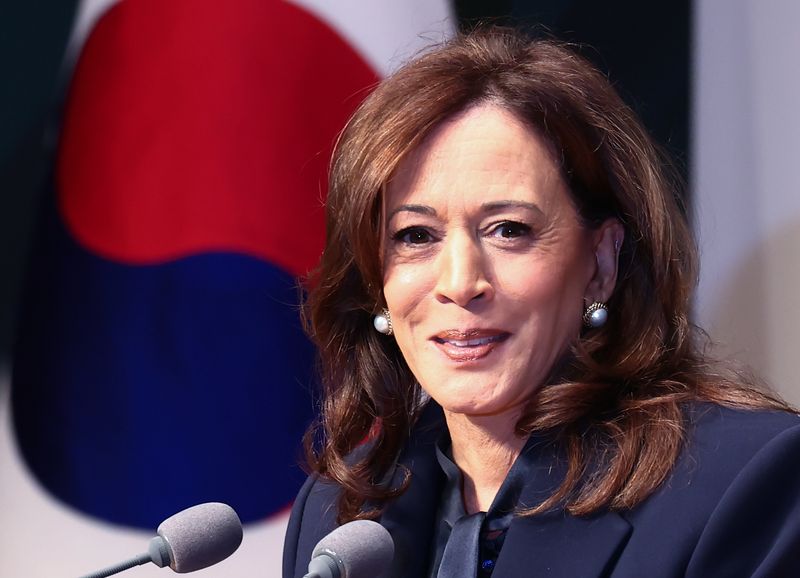
[Financial News] Former U.S. Vice President Kamala Harris reportedly met with Korea’s shipbuilding industry. Since August, representatives of the U.S. government and military, the ruling Republican Party, and even former Vice President Harris from the opposition have visited the Korean shipbuilding industry in succession. The visits reflect hopes for the MASGA (Korea-U.S. shipbuilding cooperation) project under discussion between the two governments.
‘Ships to be built only in the U.S. from the third vessel onward’: Harris may offer a clue to a solution as MASGA stalls
According to industry sources on the 16th, former Vice President Harris met directly with representatives of the shipbuilding industry on the 13th to discuss Korea-U.S. shipbuilding cooperation. In a lecture at the Asan Institute for Policy Studies on the 14th, she said, “I met with representatives of Korea’s shipbuilding sector and had a long conversation,” and praised the results of investment in the U.S. shipbuilding industry. At the request of Harris’s team, the identities of the companies and individuals she met were kept confidential.During the lecture, former Vice President Harris criticized the Trump administration’s pressure to invest in the U.S., calling it “transactionalism.” This has raised hopes that her remarks could offer a starting point for easing regulations seen as obstacles to MASGA, including restrictions on where ships can be built and on Korean personnel.
Specifically, the Trump administration has allowed foreign shipbuilders with shipyards in the U.S. to build ships in their home countries, but only two ships may be built that way. From the third ship onward, construction must take place in the U.S. Accordingly, Defense Acquisition Program Administration Commissioner Lee Yong-cheol said at a National Assembly audit by the National Defense Committee on the 13th that, following the Finnish precedent, MASGA’s first and second vessels would be built in Korea, with construction of the third and subsequent vessels taking place in the U.S.
The concern is that Korea’s shipbuilding industry could be hit if construction of all vessels from the third onward is restricted to the U.S. The same concern was raised at the National Defense Committee audit, and Commissioner Lee replied that he would minimize the impact on Korea’s shipbuilding industry, including through exports of domestic parts. Former Vice President Harris’s remarks are drawing attention because they appear to point to a way to resolve these regulatory issues at their root.
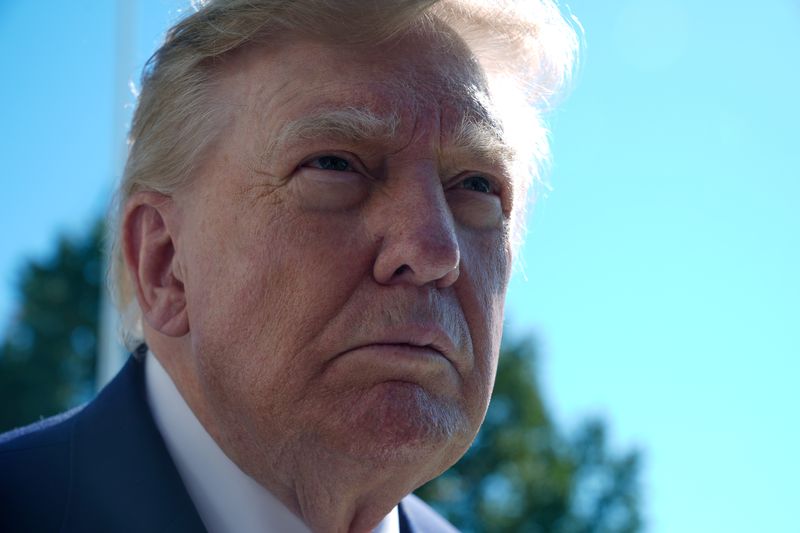
August–October: Navy, Department of War and Senate make successive visits, taking a close look at frigates and submarines
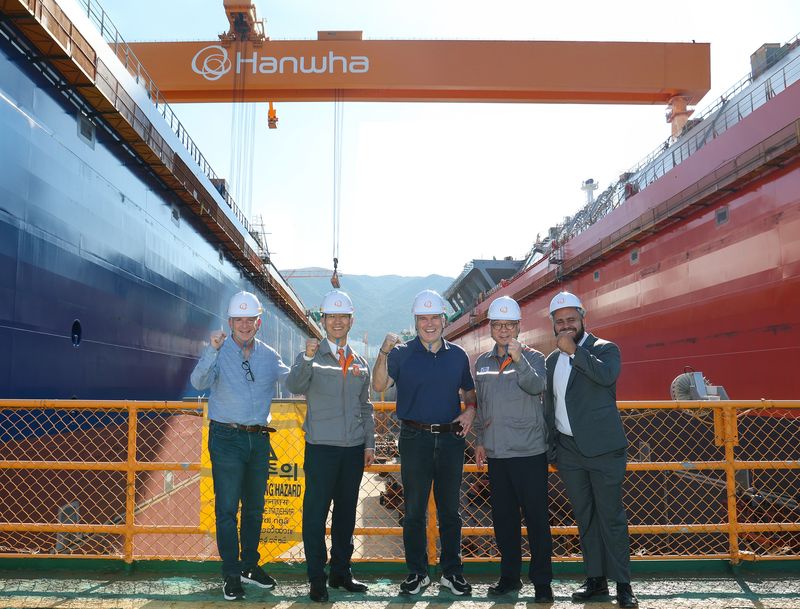
Even before former Vice President Harris’s visit, U.S. government, military and ruling-party representatives had been in contact with Korea’s shipbuilding industry.The most recent visit was to Hanwha Ocean Co., Ltd.’s Geoje facility by U.S. Senator Dave McCormick, a Republican who represents Pennsylvania, where Hanwha Philly Shipyard is located. Senator McCormick boarded the Pyeongtaek, a state-of-the-art 3,600-ton Ulsan-class frigate Batch-III (Chungnam-class), to assess its naval technology. The visit drew attention because the U.S. military is considering purchasing either a Chungnam-class frigate or a Japanese Mogami-class frigate. George Lemoore, the U.S. Department of War’s Deputy Assistant Secretary for East Asia, who visited the Geoje facility last month, also reportedly toured the Pyeongtaek’s construction site.
Last August, Richard Breckenridge, a senior shipbuilding adviser at the U.S. Department of the Navy, also toured the facilities of Hanwha Ocean Co., Ltd., HD Hyundai Heavy Industries and SK Oceanplant. The visit, organized by the Defense Acquisition Program Administration and involving a key U.S. military shipbuilding official, raised hopes that an order to build new U.S. warships was imminent. Hanwha Philly Shipyard had already secured a contract in July for a maritime missile-test instrumentation vessel (MRIV).
U.S. Navy admirals responsible for submarine programs also visited Hanwha Philly Shipyard: Vice Admiral Robert M. Gaucher, who oversees submarine programs, and Rear Admiral Jonathan Rucker, who is responsible for submarine design and construction. Rear Admiral Rucker oversees major submarine construction programs, including Virginia-class and Columbia-class nuclear-powered submarines. Given the wide-ranging discussions—from cooperation to strengthen the shipbuilding industrial base with the U.S. government to advanced manufacturing, automation and workforce training—submarine construction projects are also believed to have been discussed.
Even before MASGA, companies have worked together on development, supply chains and workforce training: “Korea-U.S. mutual growth”
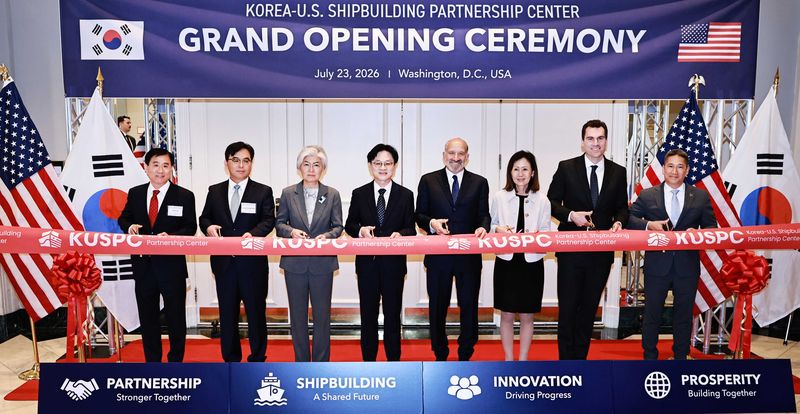
Despite the slow progress of MASGA agreement talks due to regulatory issues, U.S. visits are continuing because Korean and U.S. companies have already joined hands.Using the Korea-U.S. Shipbuilding Cooperation Center, which opened last July, Korean and U.S. shipbuilding companies are establishing a framework for cooperation in design, development, workforce training and supply chains. For example, Hanwha Ocean Co., Ltd. is jointly designing global strategic transport ships with U.S. naval vessel design specialist Leidos Gibbs & Cox, while Hanwha Philly Shipyard and Delaware County Community College are working together to train shipbuilding workers.
Jung In-sub, president and head of management support at Hanwha Ocean Co., Ltd., said during Senator McCormick’s visit, “We are working to expand production capacity, centered on Pennsylvania, to help rebuild the U.S. shipbuilding industry,” adding, “By broadening our cooperation with local U.S. partners, we will lead the mutual growth of the Korean and U.S. shipbuilding industries.”
[email protected] Kim Yun-ho Reporter