Chinese-made watches passed off as Korean-made... J.ESTINA CEO sentenced to one year in prison, suspended for two years
- Input
- 2026-10-15 15:02:29
- Updated
- 2026-10-15 15:02:29
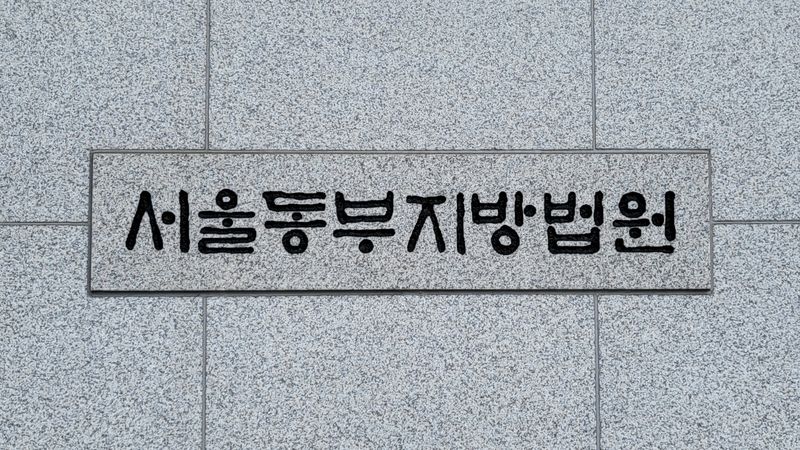
[Financial News] The CEO of J.ESTINA, who was indicted for allegedly removing the country-of-origin labels from watches imported from China, falsely labeling them as Korean-made, and selling and exporting them, was given a suspended prison sentence at the first trial. The court found that the CEO had knowingly turned a blind eye to the unlawful origin labeling for years to meet business needs.
Legal sources said on the 15th that Presiding Judge Yang Hwan-seung of the Seoul Eastern District Court's Criminal Division 1 sentenced A, the CEO of J.ESTINA, to one year in prison, suspended for two years, for violating the Foreign Trade Act and the Act on the Promotion of Market Entry and Support for Small and Medium Enterprises. The four executives and employees indicted alongside A were each fined 8 million won.
According to the court, the investigation found that J.ESTINA removed the country-of-origin labels from watches imported from China using acetone, then either labeled them as Korean-made and exported them or attached “Made in Korea” labels to Chinese-made watches and sold them.
A claimed at trial that they had not been informed about the removal of the origin labels or the false labeling, but the court found the claim difficult to accept in light of A's position in the company and its reporting structure.
In particular, based on documents showing that A had received relevant reports in February 2020, the court found that A knew by then at the latest that watches imported from China were being exported as Korean-made after their country-of-origin labels had been removed. The court also cited the fact that business plans drawn up later included statements to the effect that “risks related to origin issues need to be resolved.”
On that basis, the court found that A had continued to turn a blind eye to the unlawful origin labeling despite being aware that it was improper, because of business needs.
The fact that the offenses continued for a long time within the company, rather than being unilateral acts by some operational staff, also influenced the guilty verdict. The court found that although A, as CEO, had the authority and responsibility to address the origin-labeling issue, A did not do so and ultimately allowed the unlawful labeling to continue.
A charge of violating the Act on the Promotion of Market Entry and Support for Small and Medium Enterprises by making it appear, during public-agency bidding, that the company met the direct-production requirements was also found proven. The investigation found that although the company did not meet the requirements for obtaining a Direct Production Confirmation Certificate, it temporarily moved equipment and some production facilities before undergoing an on-site inspection.
The court found the offense serious, saying that damaging the country-of-origin markings and passing the products off as Korean-made “causes serious harm to a sound foreign-trade order and the country's international credibility, and undermines consumer trust.”
However, in determining the sentence, the court took into account that A had no significant prior criminal record and that false country-of-origin labeling had been customary even before A took office as CEO.
[email protected] Lee Dong-hyeok Reporter