Global oil prices soar amid Middle East unrest... IEA: Diesel supply crunch to persist through 2027
- Input
- 2026-10-15 15:11:01
- Updated
- 2026-10-15 15:11:01
[Financial News] International oil prices closed higher amid escalating conflict in the Middle East and the impact of the International Energy Agency’s (IEA) forecast of supply shortages.
On the 14th (local time), according to CNBC and other outlets, December-delivery Brent crude futures on the ICE Futures Exchange closed at $106.06 a barrel, up $0.37 (0.35%) from the previous session. November-delivery West Texas Intermediate (WTI) crude oil closed at $95.09 a barrel on the New York Mercantile Exchange (NYMEX), up $0.95 (1.01%) from the previous session. WTI rose for a fifth consecutive trading session.
Escalating clashes between Saudi Arabia and the Houthis, along with persistent tensions and a standoff in the Strait of Hormuz, heightened geopolitical uncertainty and concerns about disruptions to crude oil supplies.
In its October oil market report released that day, the IEA forecast that the global diesel supply shortage would continue through 2027.
The IEA also assessed that measures to ease restrictions on Russian diesel exports under an agreement between the United States and Russia would have only a minimal impact on the market. With diesel inventories declining and prices surging, it judged that even a recovery in refinery output would not be enough to make up for the accumulated supply shortfall.
The IEA forecast that global oil demand would fall by an average of 2.6 million barrels per day this year, while supply would decline by an average of 5.8 million barrels per day. It expected supply to increase by 7.7 million barrels per day next year, but predicted that supply could continue to fall short of demand through 2027 amid Middle East risks, despite the U.S.-Russia “diesel deal” and releases from countries’ strategic petroleum reserves.
It warned that renewed attacks on energy facilities and oil tankers in the Gulf region could cause an even greater setback to the recovery in supply.
Geopolitical instability in the Middle East continued to drive up international oil prices.
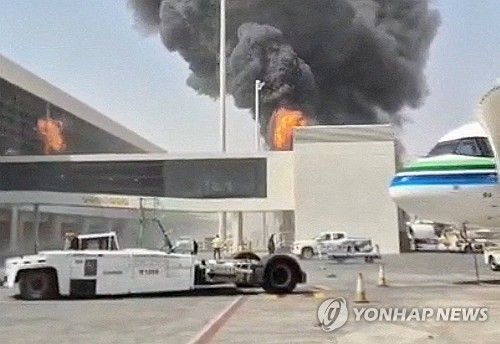
Fighting is also intensifying between Saudi Arabia and the Iran-aligned Yemeni Houthi rebels. Saudi Arabia’s Energy Ministry said that day that an administrative building owned by state oil company Aramco had been attacked overnight. In a statement that day, the Houthis confirmed that they had carried out a large-scale missile and drone attack targeting Saudi Aramco facilities and Riyadh International Airport, among other sites.
[email protected] Lee Seok-woo, International Affairs Correspondent Reporter