Lung cancer patient numbers rise, but survival rates improve... income disparities persist
- Input
- 2026-10-15 14:31:43
- Updated
- 2026-10-15 14:31:43
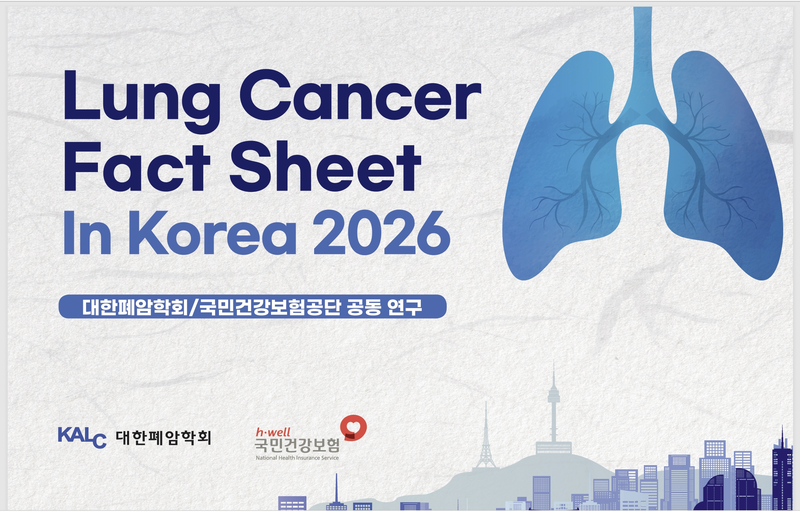
The National Health Insurance Service and the Korean Association for the Study of Lung Cancer jointly published the 2026 Lung Cancer White Paper on the 15th, analyzing the state of lung cancer in South Korea using health insurance big data. The second edition, following last year's, examined changes in lung cancer incidence and treatment patterns from 2008 to 2025. This year, it also newly covered incidence and mortality rates by income level and urban characteristics.
According to the white paper, the number of people diagnosed with lung cancer continued to rise due to population aging, but the age-standardized incidence rate declined. The age-standardized incidence rate is a measure used to compare disease incidence across population groups by adjusting for differences in age structure.
Treatment outcomes also improved. The proportion of patients who underwent surgery within one year of a lung cancer diagnosis rose from 22.7% in 2008 to 39.2% in 2025. The one-year survival rate increased from 48.8% in 2008 to 70.3% in 2024. The five-year survival rate also improved, from 18.7% in 2008 to 38.4% in 2020.
However, disparities by income level were evident. Lung cancer incidence was highest among Medical Aid beneficiaries, and survival rates were higher at higher income levels. This indicates that socioeconomic conditions are associated with disparities in lung cancer incidence and treatment outcomes.
The National Health Insurance Service and the Korean Association for the Study of Lung Cancer plan to use the white paper as foundational data for developing lung cancer prevention and management policies. In particular, they intend to use it to raise awareness of the importance of early screening and to support policies aimed at reducing health disparities related to income level and other factors.
The 2026 Lung Cancer White Paper is available on the websites of the National Health Insurance Service and the Korean Association for the Study of Lung Cancer.
[email protected] Sang-hee Jeong Reporter