"Had the stone removed, but another one?"... Urinary stones can recur if you let your guard down [Health Talk]
- Input
- 2026-10-15 14:20:08
- Updated
- 2026-10-15 14:20:08
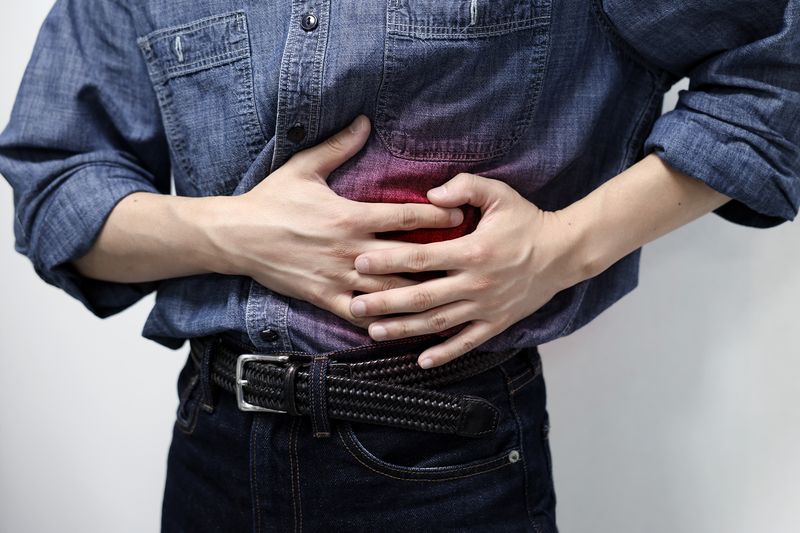
[Financial News] Urinary stones are not a condition that ends once the stones have been removed. If you continue to drink too little water and eat salty foods, stones can form again. Last year, more than 330,000 patients sought medical care for urinary stones, and male patients accounted for about twice as many as female patients. Although treatment options have expanded from natural passage to endoscopic and robotic surgery, specialists stressed that preventing recurrence should be considered just as much a part of treatment as removing the stones.
Choi Hoon, a professor of urology at Korea University Ansan Hospital, said, "When deciding on treatment for urinary stones, doctors need to consider not only the size and location of the stones, but also whether the urinary tract is blocked and whether there is an accompanying infection." He added, "It is important to choose the best option for the patient from among the various treatments, ranging from natural passage and extracorporeal shock wave lithotripsy to endoscopic and robotic surgery."
According to the Health Insurance Review and Assessment Service's National Disease Statistics, 335,807 patients received treatment for urinary stones in 2025. Of these, 223,092 were men, about twice the 112,715 women.
Go to the hospital immediately if flank or groin pain comes with a fever
Urinary stones are a condition in which hard, stone-like calculi form in the urinary tract, the passage through which urine is produced and expelled. Depending on where the stones form, the condition is classified as kidney, ureteral or bladder stones, among other types.
When a stone in the kidney moves down into the ureter, which connects the kidney to the bladder, and blocks the flow of urine, it can cause severe flank pain. The pain may spread to the lower abdomen or groin, and may also be accompanied by blood in the urine, nausea or vomiting. If flank pain is accompanied by a fever or chills, a urinary tract infection may also be present, so prompt medical attention is needed. Depending on the stone's location or condition, there may be no noticeable symptoms.
Having a stone does not necessarily mean surgery is required. If the stone is small and likely to pass naturally, doctors can manage the pain and monitor whether it passes in the urine. Medication to help the stone pass may also be used if needed.
If a stone is unlikely to pass naturally, treatment is selected according to its size and location. Extracorporeal shock wave lithotripsy uses shock waves applied from outside the body to break the stone into small pieces, which are then passed in the urine. In ureteroscopic stone removal, an endoscope is inserted through the urethra so the stone can be seen directly and broken up with a laser or removed. Stones located inside the kidney are treated with a flexible endoscope. For large kidney stones measuring more than 2 cm, percutaneous nephrolithotomy may be considered; this procedure creates a small passage in the flank and removes the stone with an endoscope.
Robot-assisted flexible endoscopic surgery incorporating AI technology has also emerged in recent years. The robot and AI help guide the flexible endoscope inside the kidney with greater precision and stability, which may be beneficial when there are multiple stones or they are difficult to reach.
To prevent recurrence, drink enough water and cut back on salty foods
After stones are removed, ongoing care is needed to prevent recurrence. The most basic measure is to drink enough fluids. When the body lacks fluids, urine output decreases and the urine becomes more concentrated, raising the concentration of stone-forming substances such as calcium, oxalate and uric acid. Drinking enough water lowers the concentration of these substances. It is also best to avoid eating excessively salty foods.
However, not everyone needs to drink a set amount, such as 'at least 2 L a day.' The amount of fluid needed varies according to body size, activity level, temperature and how much a person has sweated.
Professor Choi said, "If you sweat a lot because of hot weather or exercise, you should drink more water than usual," while noting that "if you need to limit your fluid intake because of heart or kidney disease, the appropriate amount may differ, so you should consult a healthcare professional."
If stones keep recurring, their composition can be analyzed and blood and urine tests can be used to identify the cause. Depending on the results, dietary habits may be adjusted and medication may be used if needed. Professor Choi stressed, "Because stones can recur even after treatment, it is important to identify your individual risk factors and manage them consistently even after the stones have been removed."
[email protected] Jeong Myeong-jin, Medical Writer Reporter