Biological father kills 14-year-old daughter with a hammer ... Supreme Court: No obligation to reduce sentence for turning himself in
- Input
- 2026-10-15 14:01:32
- Updated
- 2026-10-15 14:01:32
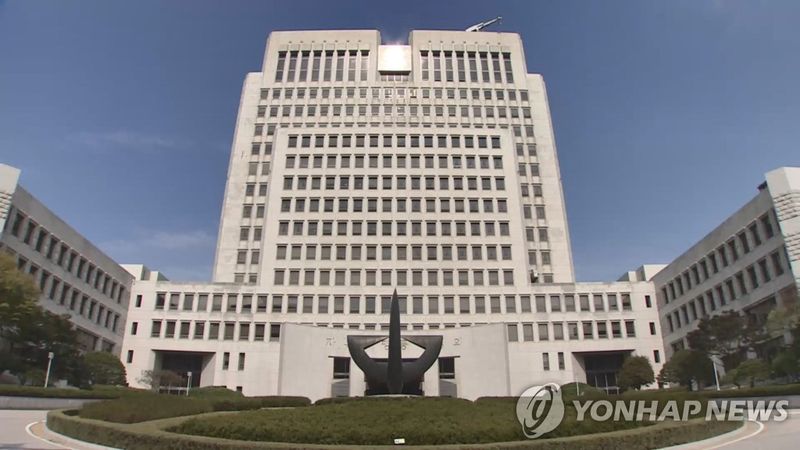
According to legal circles on the 15th, the Supreme Court’s Third Division, with Justice Eom Sang-pil presiding, dismissed the appeal by A, who was indicted on charges of child-abuse murder under the Child Abuse Punishment Act, on the 23rd of last month. It upheld the lower court’s ruling sentencing him to 22 years in prison and barring him from working at child-related institutions for seven years.
In 2012, A left his daughter, identified as B, in the care of parents in China, then brought her back in 2022 and lived with her. Disputes between father and daughter repeatedly arose over her habits and refusal to attend school.
At around 6 p.m. on October 19 last year, at A’s home in Danwon-gu, Ansan, Gyeonggi Province, A scolded B for saying she wanted to hold his second son. When B said, “You can’t even raise one properly, so why did you have two?” and reached toward her younger brother, A became enraged and decided to kill her. After telling his wife to take their son into a small room, he knocked B to the ground and hit her dozens of times with his fists and feet. He then struck the back of her head at least 25 times with a 32-centimeter steel hammer from the shoe cabinet, continuing until the hammerhead came off. B died at the scene. A reported the crime himself immediately afterward and admitted to the charges from the investigation through the trial.
In the first trial, the Suwon District Court’s Ansan Branch sentenced him to 18 years in prison this past February. That was below the 20-to-30-year sentence recommended under the sentencing guidelines. The court viewed as mitigating factors that he was a first-time offender, that the child’s biological mother did not want him punished, that he had turned himself in and shown remorse, and that the crime was somewhat impulsive.
In the second trial, the Suwon High Court accepted the prosecutor’s appeal this past July and increased the sentence to 22 years in prison. It found that the method of the crime was extremely brutal, as A continued attacking even while B tried to shield her head with her hands, and that the crime’s seriousness could not be considered greatly diminished merely because it was impulsive. It also found that A turned himself in only after B had died, so his surrender did nothing to help make amends for the harm, nor did it newly reveal the full details of a crime that would have been difficult to uncover through investigation alone.
The issue was whether it was unlawful not to reduce the sentence despite recognizing A’s voluntary surrender. The Criminal Act provides that a sentence may be reduced or remitted if an offender voluntarily surrenders. Since the law says a sentence “may be” reduced, not that it “must be,” the provision is discretionary, and it is up to the court to decide whether to reduce the sentence.
The Supreme Court reached the same conclusion. The panel said, “Even when voluntary surrender is recognized, the court may only reduce or remit a sentence at its discretion, so the lower court cannot be said to have acted unlawfully by not reducing the sentence on that basis,” adding, “It cannot be said that the lower court’s sentence of 22 years in prison, among other things, was grossly unreasonable.”
[email protected] Kim Dong-gyu Reporter