Busan’s Gangseo District Holds First Meeting of Saenggok Incinerator Response Task Force; Environmental Impact Survey Gets Underway in Earnest
- Input
- 2026-10-15 10:04:47
- Updated
- 2026-10-15 10:04:47
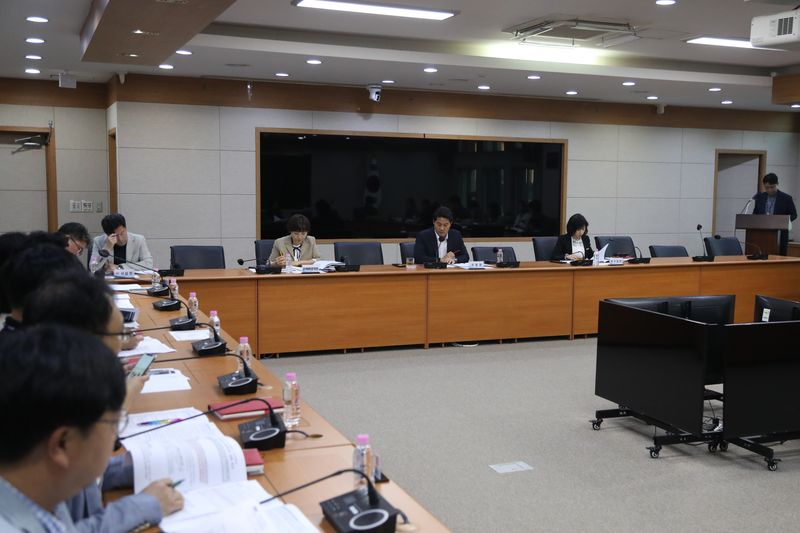
The meeting was organized to flesh out the strategy for responding to the Saenggok incinerator that the district drew up last month and to review progress to date and key issues. The district plans to pursue environmental impact surveys, reviews of administrative procedures and the sharing of facts, based on its position that it opposes construction of the Saenggok incinerator without residents’ consent.
Established on the 1st, the task force is headed by the deputy district mayor, with the director of the Culture and Environment Bureau serving as deputy head. It consists of 26 members across five teams: a general coordination team, a residents’ communications and publicity team, an operations team, a construction affairs team and an urban planning team. The teams are responsible for coordinating response plans, communicating with and publicizing information to residents, reviewing environmental and waste-related matters, and reviewing administrative procedures in construction and urban planning, among other duties.
Given the concentration of waste-treatment facilities around Saenggok, the district said it was necessary to look comprehensively at cumulative environmental impacts and potential effects on residents’ health, beyond the impact of individual facilities. It plans to commission a “Planning Study on Cumulative Environmental Impacts and Environmental Health Related to the Siting of Metropolitan Waste-Treatment Facilities” (working title).
The planning study is a preliminary step that will set the survey’s scope and methods based on similar cases at home and abroad and input from expert institutions, and draw up the terms of reference for the main survey. The district plans to proceed with commissioning and contracting the study by next month, then draw up plans to launch the main survey in the first half of next year based on its findings.
The district will also continue to examine the facts surrounding key issues related to the incinerator’s construction. It is reviewing several issues, including the state of waste-treatment facilities where fairness and equity have not been ensured, the nature of relocation costs for Saenggok Village residents, and the question of land repurchase rights if the project is suspended.
Earlier, on the 28th of last month, the district requested that Busan hold an official public hearing for residents, with Busan Mayor Jeon Jae-su attending in person. The district plans to continue calling on the person with decision-making authority over the project to hear residents’ voices directly and engage in meaningful communication.
District Mayor Park Sang-jun said, “The incinerator issue is important because it directly affects residents’ living environment and environmental rights. We will carefully review the issues involved and respond based on objective information.” He added, “We will continue working to strengthen communication with residents and ensure that reasonable alternatives are developed that take into account fairness in the burden of waste treatment and the protection of residents’ living environment.”
[email protected] Byeon Ok-hwan Reporter