Hid real estate worth around 700 million won to get debt relief...16 caught concealing assets under New Start Fund
- Input
- 2026-10-15 09:44:19
- Updated
- 2026-10-15 09:44:19
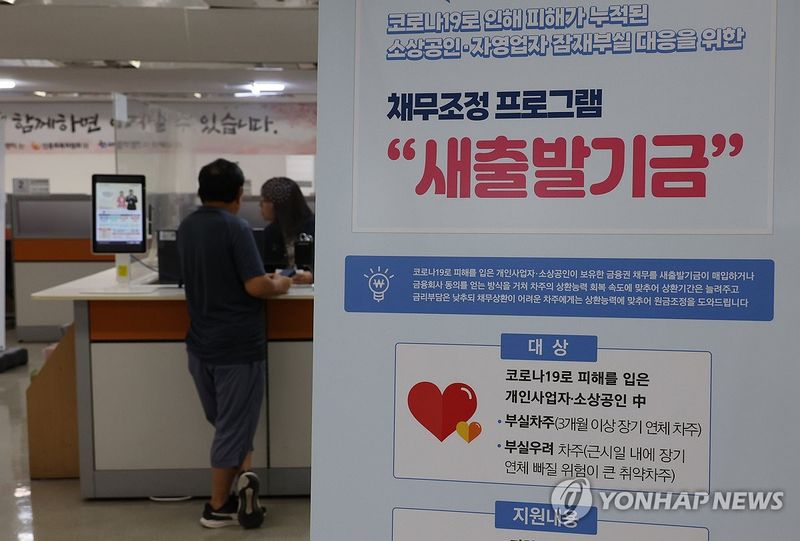
[Financial News] The principal forgiven for borrowers whose debt-adjustment agreements were canceled after they concealed assets and received debt relief through the New Start Fund exceeded 1 billion won, it was found.
According to Yonhap News on the 15th, data submitted by Korea Asset Management Corporation (KAMCO) to Park Seong-hoon, a People Power Party member of the National Assembly's Political Affairs Committee, showed that 16 borrowers had their debt-adjustment agreements canceled after their asset concealment was confirmed between the launch of the New Start Fund and this August. Their original principal debt totaled 1.652 billion won, and the principal amount forgiven totaled 1.055 billion won.
The New Start Fund is an inclusive finance policy designed to ease the debt burden on small business owners and the self-employed, prevent potential defaults, and help them make a fresh start.
The assets concealed by these borrowers included not only real estate but also housing presale rights, rental deposits and land compensation payments. Some were found to have received debt restructuring through the New Start Fund while concealing real estate worth between 400 million and 700 million won.
KAMCO canceled the agreements of all 16 borrowers and is now pursuing legal procedures for asset-preservation measures, including provisional attachments, and compulsory enforcement.
Until now, the New Start Fund assessed borrowers by cross-checking some property information available from relevant agencies against the information they reported. But amendments to the Credit Information Use and Protection Act last August established a legal basis for obtaining property information that had previously been difficult to verify, including gifts, virtual assets and unlisted stocks.
Rep. Park stressed, “A debt-adjustment program intended to help small business owners in truly difficult circumstances must not become a channel for extending benefits to people who conceal their assets. The authorities must take thorough clawback measures against borrowers who concealed assets and further strengthen checks on debtors’ assets and follow-up verification.”
[email protected] Kim Su-yeon Reporter