More than half of union members have yet to express willingness to join the strike ... Samsung Biologics union, under pressure, to hold YouTube meeting today
- Input
- 2026-10-15 09:38:38
- Updated
- 2026-10-15 09:38:38
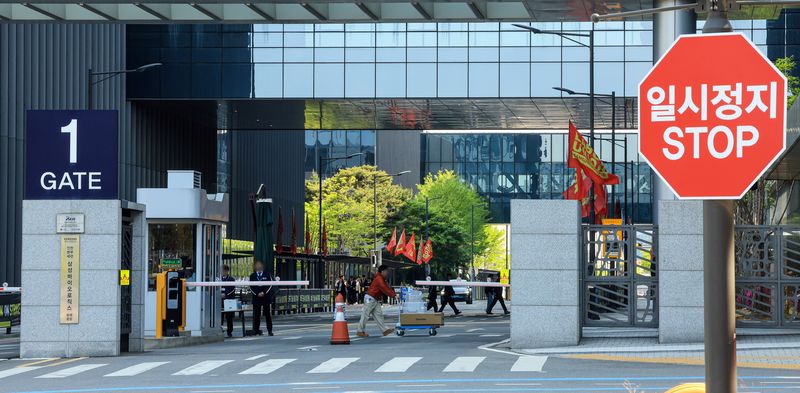
Discontent mounts over plan to impose a “strike nonparticipation fee”
According to industry sources on the 15th, the Samsung Biologics union has been polling members on whether they will join a strike since the 8th. So far, around three-quarters of all union members have yet to express their willingness to participate. Since the vote is not over, those who have not expressed their position cannot be assumed to oppose the strike. However, it is difficult to say that the union leadership has secured the support of a majority of members for joining it.
In response, the union plans to hold an online meeting for members on YouTube at 9 p.m. today to explain the reasons for its labor action amid the prolonged CBA negotiations and how its demands were developed. The union previously said that many members had asked for an explanation on these matters, and it remains to be seen whether the meeting will help resolve questions and discontent within the union.
Some members have voiced dissatisfaction, questioning whether the union leadership is putting its own stance on labor action ahead of securing members’ full consent. Critics say the union is fueling internal opposition by focusing on pressuring members to participate rather than explaining the need for a strike and the validity of its demands to encourage voluntary participation. In a text message sent on the 13th, the union stressed that following union directives, such as wearing a vest, is an obligation under its bylaws. It also said that a fee could be imposed on nonparticipants in a strike in the future, depending on the collective will of union members. The union said participants would receive compensation and benefits and would be given top priority in negotiations over a payment upon the conclusion of the CBA talks.
Whether the fee will actually be imposed and the specific criteria for doing so have not yet been decided. However, a policy of creating financial advantages or disadvantages based on whether members join the strike could serve as a means of pressuring them to follow the union leadership’s stance on labor action rather than make a voluntary choice.
From intervention in management issues to disparaging executives
The labor-management conflict has gone beyond wage negotiations to include intervention in management issues and personal attacks on executives. Despite uncertainty at home and abroad, the company sought common ground by offering, among other things, a 6.2% increase in base pay and a one-time payment. The union, however, is sticking to its existing demands for a 9.5% base-pay increase and performance bonuses equal to 15% of the previous year’s operating profit.
On the 7th, the union called on the Korea Exchange and the Financial Supervisory Service to suspend and reconsider the subscription schedule for a paid-in capital increase. It then asked Samsung Electronics, the second-largest shareholder, to engage in collective bargaining, arguing that it exercises effective control over personnel and compensation. The union is thus widening the conflict over wage and CBA negotiations to include the capital increase and shareholder issues, bringing pressure to bear on major management matters at the company.
Controversy has also erupted over personal attacks on executives. The union is reported to have posted crude posters mocking and disparaging CEO John Rim on internal bulletin boards and at worksites, going beyond the bounds of legitimate demands and negotiations. Concerns are growing that dialogue and compromise between labor and management will make a resolution increasingly difficult as the union’s demands for excessive pay increases are accompanied by intervention in management issues and personal attacks.
A business community source said, “Demands to withdraw the paid-in capital increase or to negotiate with the shareholder company go beyond the scope of labor-management negotiations and amount to excessive pressure,” adding, “Pushing the company into extreme confrontation to force its demands through, instead of pursuing dialogue and compromise, does not help labor and management work together either.”
[email protected] Jeong Sang-hui Reporter