Trump, in a rush ahead of the election, again offers Russia a 'carrot' and Ukraine a 'stick'
- Input
- 2026-10-15 13:43:52
- Updated
- 2026-10-15 13:43:52
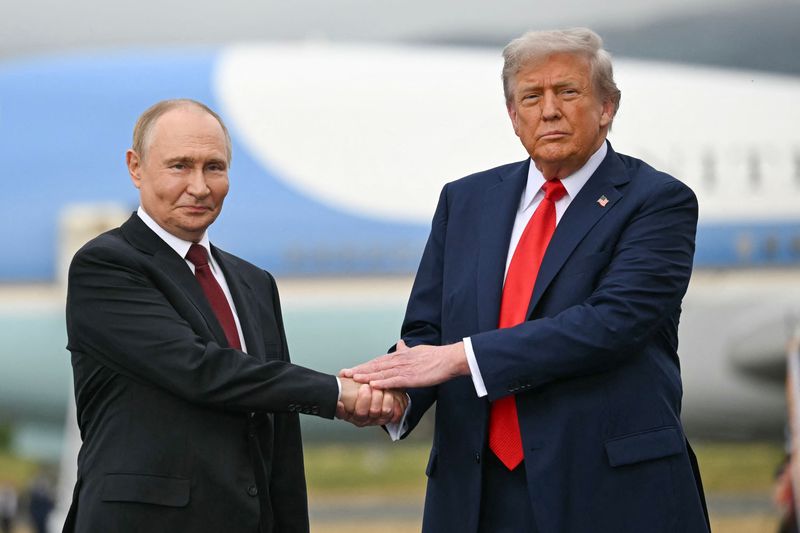
[Financial News] U.S. President Donald Trump, facing next month's midterm elections, has once again wielded a 'carrot' for Russia and a 'stick' for Ukraine in an effort to make progress in negotiations to end the war in Ukraine. The Ukrainian side reacted with dismay, saying Trump had chosen the other side.
After lifting sanctions on Russian diesel, now weighs returning overseas assets too
On the 14th (local time), the UK's Financial Times (FT), citing four people familiar with the matter, reported that a U.S. delegation involved in negotiations to end the war in Ukraine proposed partially unfreezing Russian assets at a meeting last month in Miami with negotiating teams from Ukraine, Europe and the North Atlantic Treaty Organization (NATO). According to the sources, the U.S. side floated the proposal as one of the conditions for comprehensive peace talks between Russia and Ukraine. It also outlined several specific ways to implement it, including transferring the unfrozen Russian assets to a new special-purpose financial corporation (SPC) overseen by the U.S. government.After Russia invaded Ukraine in February 2022, Western allies froze about €260 billion (approximately 391 trillion won) in Russian state assets held abroad. Most of the assets are in the European Union (EU). Ukraine received loans worth €45 billion (about 68 trillion won) from Group of Seven (G7) countries, using the interest income from those assets as collateral. European countries pay the interest to Ukraine but, mindful of legal concerns, have refrained from touching the Russian principal. Kremlin spokesman Dmitry Peskov said on the 14th through local state media, "We will use every legal means, court cases and judicial proceedings to recover the confiscated assets."
According to the FT, the European delegations that attended the Miami meeting were reportedly deeply shocked by the U.S. proposal and expressed their rejection. At the meeting in Miami on the 9th, the U.S. also warned the Ukrainian side that it could stop sharing intelligence if Ukraine did not halt attacks on Russian refineries. U.S. officials called European countries and Ukraine on the 10th and 11th and told them that if the attacks on refineries continued, they would block Ukraine from buying U.S. weapons.
Trump, who has been grappling with a recent rise in diesel prices, also drew criticism at home and abroad on the 9th by temporarily lifting sanctions on Russian diesel exports. At the same time, he targeted Ukrainian President Volodymyr Zelenskyy, who opposed the sanctions relief, saying a change of government was necessary.
Starlink signal disruption; Zelenskyy: "It's sad to lose a partner"
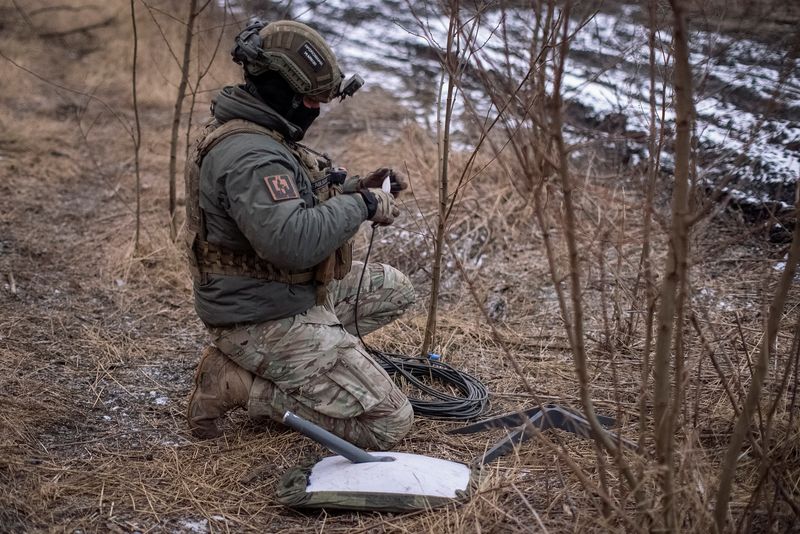
Trump told reporters on the 13th that he had not stopped providing intelligence support to Ukraine. However, from the night of the 13th, the Starlink satellite internet service provided by U.S. company SpaceX began experiencing disruptions in Ukraine, with the signal suddenly cutting out at a particular speed. The disruptions hampered Ukrainian operations involving drones that relied on the service.In response, SpaceX CEO Elon Musk posted on social media platform X on the 14th, emphasizing, "Starlink is a commercial service owned and controlled by SpaceX" and "Starlink can only be used for civilian or defensive activities, not military offensive operations." Musk also mentioned Starshield. Unlike civilian Starlink, Starshield is a service for the military and government that launched in 2022. It uses the same SpaceX satellites but operates differently. Musk explained, "The Starshield system is owned and controlled by the U.S. government," adding, "All restrictions on speed and use are decided by the U.S. military and, ultimately, the U.S. president."
In a report on the 14th, U.S. political news outlet Axios suggested that the signal disruption could have been a deliberate move by the Trump administration, intended to pressure Ukraine to end the war.
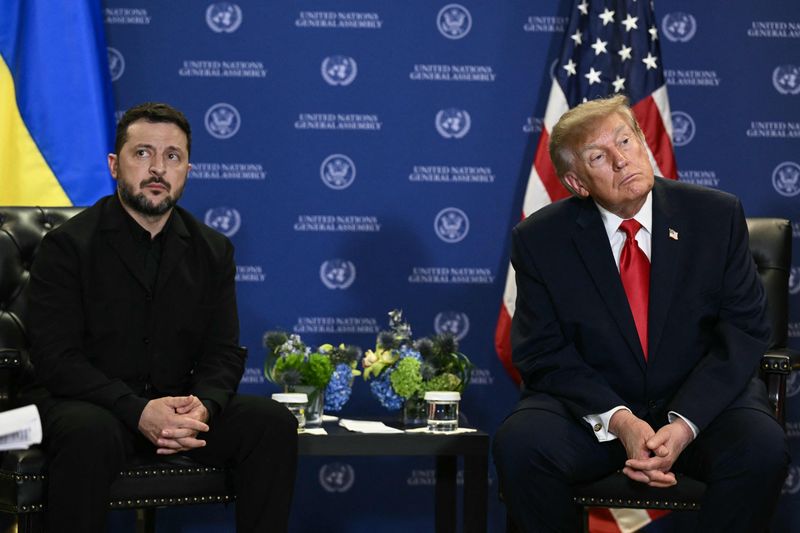
In an interview with a British media outlet on the 14th, Zelenskyy said, "It hurts whenever Trump chooses the other side instead of ours." He said he was fine with Trump remaining neutral in this war, adding, "If you're going to stay in the middle, you have to stay in the middle to the end." Asked whether he felt betrayed by Trump's easing of sanctions on Russian diesel, Zelenskyy replied, "Honestly, yes." He added, "This is more complicated than simply a matter of my emotions or feelings," and said, "It's sad that we're losing a strong partner."
[email protected] Park Jong-won Reporter