Samsung Electronics Co., Ltd. tops Asia in brand value for third straight year
- Input
- 2026-10-15 08:09:24
- Updated
- 2026-10-15 08:09:24
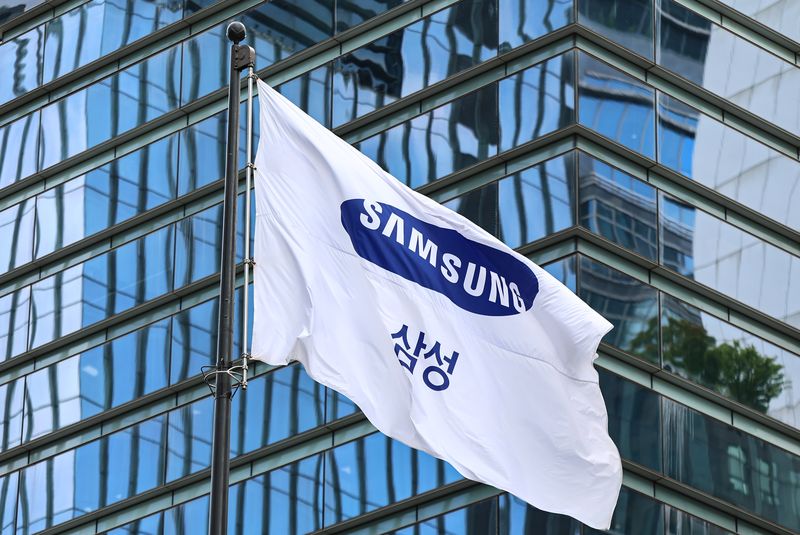
【Financial News, Tokyo = Correspondent Seo Hye-jin】Samsung Electronics ranked first in an Asian brand value survey for the third consecutive year. It held on to the overall lead, ahead of Apple and Nike, but fell to second place in India, Vietnam and Indonesia. Most Chinese brands climbed in the rankings as assessments of their quality and design improved.
According to the Nikkei on the 15th, Samsung Electronics ranked first in Nikkei Research’s “Global Brand Survey 2026,” with an Asian brand value score of 4,819 points. Apple ranked second with 4,728 points, followed by Nike in third with 4,659 points.
The survey covered about 200 brands from Japan and overseas and was conducted among about 70,000 consumers in 10 countries and regions. It assessed “brand power,” including brand awareness, and analyzed factors such as the influence brands have on purchasing decisions to calculate a value score. The Asian rankings were compiled across eight markets: China, Taiwan, Thailand, India, Vietnam, Indonesia, Malaysia and the Philippines.
Samsung maintained the top spot in the overall ranking, but the number of markets where it ranked first fell from five last year to two this year. It held on to first place in Thailand and Malaysia, but lost the lead to Tata Motors in India, Apple in Vietnam and Honda in Indonesia. Samsung ranked second in all three markets.
Consumers’ willingness to buy and recommend Samsung products, as well as their assessments of the company, remained high. However, its ranking fell as its scores declined from last year in some markets. In Thailand, it held on to first place as consumers became more willing to recommend its products and services and showed stronger attachment to and trust in the brand.
Apple ranked first in Vietnam and Taiwan. In Vietnam, it rose two places from third last year as assessments—including its reputation for offering high-quality products—improved. In Taiwan, it was strong among consumers in their 20s and 30s in product use. Samsung was found to be strong among middle-aged and older consumers across Asia.
Chinese brands also made notable gains. Of the 12 brands surveyed, 11 improved their rankings. Xiaomi rose from 26th to 20th, electric vehicle maker BYD from 81st to 63rd, and home appliance maker Hisense from 96th to 80th. The Nikkei said, “These brands are receiving higher evaluations for quality and design than for price.” In the Chinese market, domestic brands such as Huawei, Haier and Xiaomi ranked near the top.
Japanese brands performed relatively poorly apart from automobiles. The average score of the 112 Japanese brands surveyed was 2,181 points, below South Korea’s 3,404, Germany’s 3,171, the United States’ 2,818 and China’s 2,532. 49% of Japanese brands fell in the rankings from last year.
Japanese automakers performed well. Toyota rose from eighth last year to fifth this year in the overall Asian ranking, placing in the top five in every Southeast Asian market surveyed. Honda ranked sixth, unchanged from last year, while Sony placed seventh.
By sector, the average score of the 14 Japanese automotive brands exceeded the overall average for the automotive sector, while the average scores of Japanese brands in every other sector fell below the overall average for their respective sectors.
[email protected] Seo Hye-jin Reporter