USFK commander: “I support OPCON transfer, but conditions remain unmet” ... Inadequate readiness for North Korea’s advancing missiles
- Input
- 2026-10-15 07:45:35
- Updated
- 2026-10-15 07:45:35
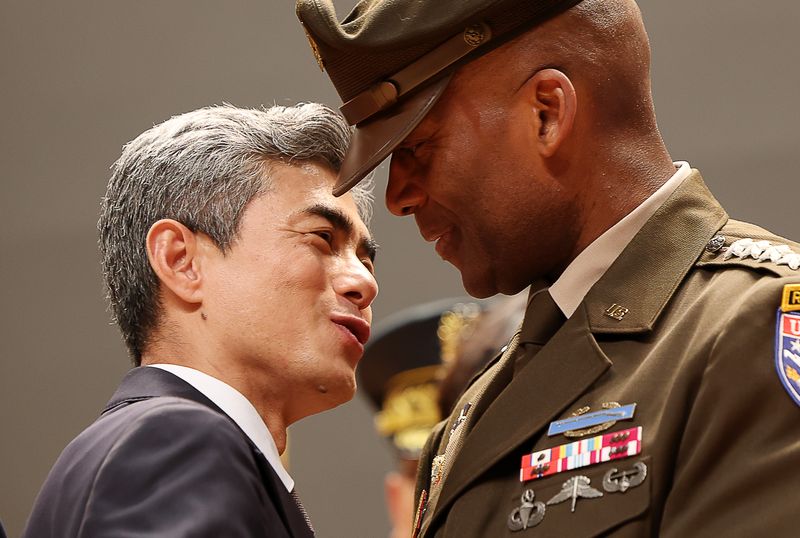
In his keynote address at a seminar hosted by the U.S. think tank the Gold Institute for International Strategy in Washington, D.C., that day, General Brunson said, “I am a supporter of OPCON transfer,” adding, “This is about modernizing the world’s greatest alliance.” He added, however, “What I oppose is violating the conditions that were set years ago and remain in place. We have been dealing with this since 2015.”
General Brunson added, “None of us can say that the conditions have not changed.”
He also stressed, “A quick glance at the newspapers would make it clear that the conditions have definitely changed. There was another missile launch from North Korea this week,” adding, “The conditions have changed, and we have changed our plans, so there are new standards we have to meet.”
General Brunson’s remarks that day appeared intended to underscore that the security environment has changed because of North Korea’s frequent provocations, and that the conditions for OPCON transfer have therefore not been met.
South Korea and the United States currently disagree over whether the conditions for OPCON transfer have been met. South Korea’s position is that the conditions have been sufficiently met and that there would be no problem with transferring control immediately, while the United States is reportedly of the view that they remain unmet. General Brunson said, “Someone will decide not to oppose OPCON transfer, but I want us to meet the conditions that were set previously.”
He also said of an OPCON transfer based on “timing” rather than “conditions,” “That’s not what we’re doing. Timing itself is one condition, but we’re talking about core capabilities—the ability to perform every mission perfectly.”
South Korea’s military is stepping up efforts to complete the OPCON transfer by 2028, before the end of U.S. President Donald Trump’s term. The plan is to wrap it up as soon as possible through a political decision and discussions between the leaders. However, U.S. Forces Korea has previously cited the first quarter of 2029 as a realistic target for meeting the conditions. An early transfer would be difficult without thorough verification.
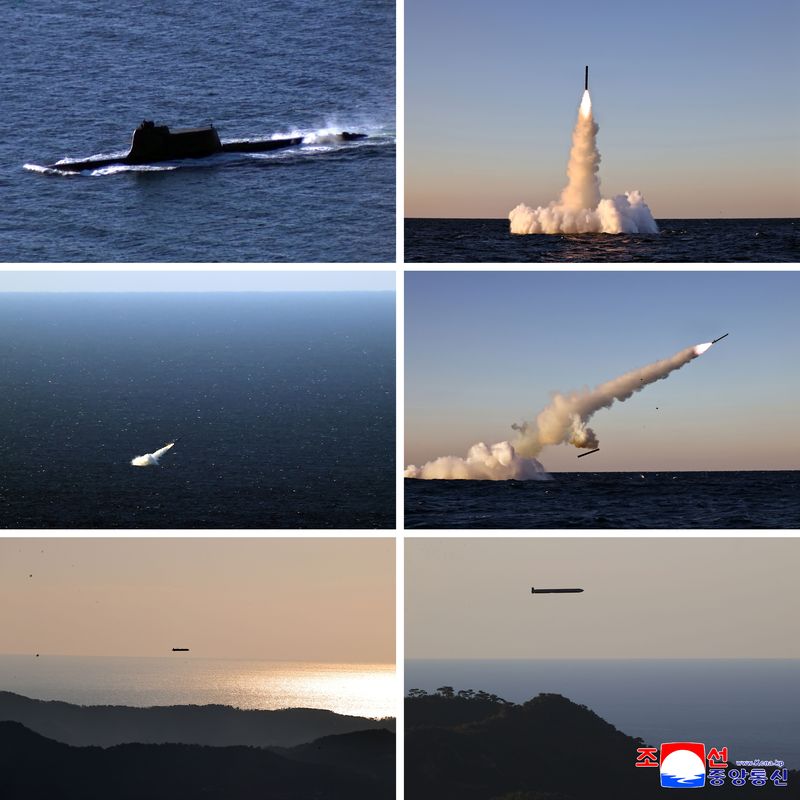
Meanwhile, after North Korea test-fired two types of submarine-launched cruise missiles (SLCMs) in the East Sea on the 14th, questions surfaced over whether South Korean military authorities had failed to detect the launches. South Korean military authorities were unable to disclose that the missiles had been launched. Submarine-launched strategic cruise missiles are reportedly difficult to detect because they travel stealthily underwater before launching by surprise. In addition, the suspension of sensitive security information-sharing between South Korea and the United States has now dragged on for six months.
[email protected] Kim Gyeong-su Reporter