Daewoong Pharmaceutical Co., Ltd. to Invest 2.68 Trillion Rupiah and Build a Global Halal Pharmaceutical Ecosystem in Cikarang
- Input
- 2026-10-16 19:02:49
- Updated
- 2026-10-16 19:02:49
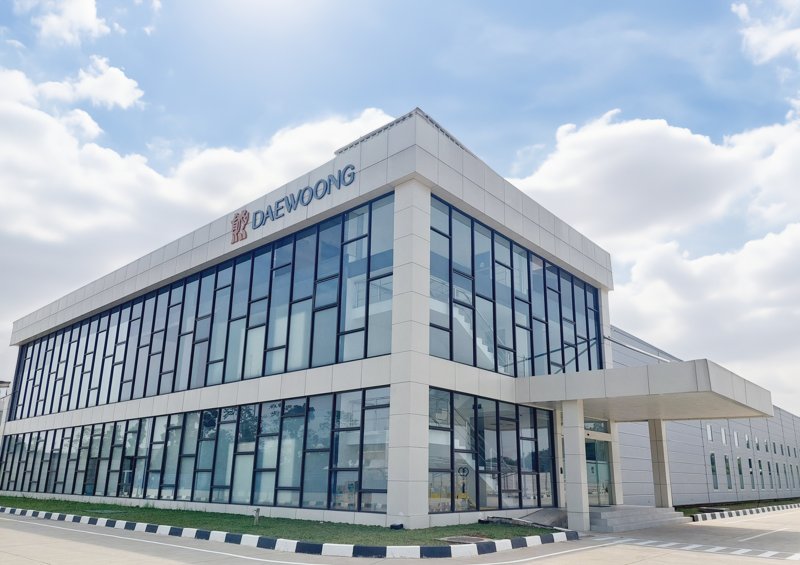
【Jakarta, Indonesia — Aulia Maulida Hamdani, Correspondent】Daewoong Pharmaceutical Co., Ltd. is building a large-scale pharmaceutical manufacturing facility in Cikarang, Indonesia, and is moving to target the halal pharmaceutical market through local production and technology transfer while strengthening the foundations for Indonesia’s pharmaceutical self-sufficiency.
According to local media reports on the 16th, Daewoong Pharmaceutical Co., Ltd. is investing 2.68 trillion rupiah (approximately 230 billion won) to build a smart factory for producing solid-dose medicines in Cikarang. The company aims to obtain approval under the Indonesian Food and Drug Authority’s (BPOM) Good Manufacturing Practice (GMP) standards for pharmaceuticals in July 2027. This is at least seven years ahead of the scheduled introduction of mandatory halal certification for prescription drugs in October 2034.
Indonesia will make halal certification mandatory for food and cosmetics starting on the 18th. The requirement is also expected to apply to prescription drugs from October 2034. Daewoong Pharmaceutical Co., Ltd. is incorporating halal standards from the facility design stage to proactively address these regulations.
The new smart factory is designed to minimize the risk of cross-contamination with non-halal substances by carefully controlling the movement of raw materials, packaging materials and consumables. The company also plans to establish a traceability system covering the entire production process, from the receipt of raw materials to approval for shipment of finished products, by linking Good Manufacturing Practice standards with the halal product assurance system.
Daewoong Pharmaceutical Co., Ltd. is working to strengthen its business foundation through local production and technology transfer. “We are making local production and technology transfer our core strategy in Indonesia,” the company said. “Rather than relying solely on product exports, we hope to contribute to building a sustainable healthcare ecosystem.”
The company is also pursuing plans to transfer technology from its Korean headquarters to Indonesia and recruit and train local talent. Through these efforts, it aims to strengthen the foundations of Indonesia’s pharmaceutical and biotech industries and meet demand for halal medicines in global markets with large Muslim populations.
Daewoong Pharmaceutical Co., Ltd. plans to develop Indonesia into a halal pharmaceutical production hub for the ASEAN region, building on its new facility. It aims to strengthen the foundations for Indonesia’s pharmaceutical self-sufficiency and help stabilize regional healthcare supply chains by expanding local production capacity and technical cooperation.
[email protected] Aulia Maulida Hamdani, Correspondent Reporter