No. 1 for 12 consecutive years as a horse industry special zone... Jeju strengthens its case for bringing KRA headquarters to the island
- Input
- 2026-10-14 15:11:04
- Updated
- 2026-10-14 15:11:04
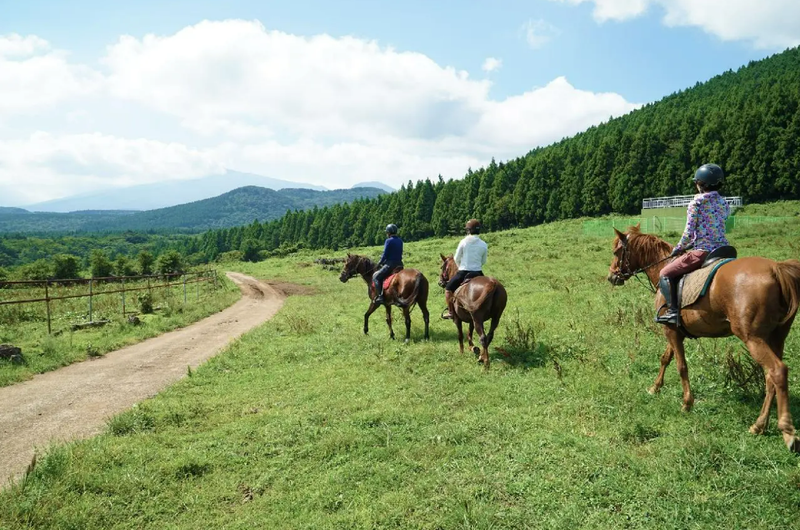
【Financial News, Jeju = Jung Yong-bok, staff writer】 Jeju ranked first nationwide in the evaluation of horse industry special zone operations for the 12th consecutive year and secured 300 million won in national funding incentives for next year. The provincial government will cite this achievement as grounds for bringing the KRA headquarters to Jeju as it seeks to persuade the government.
According to the Jeju Special Self-Governing Province on the 14th, Jeju received the highest score among the nation’s four special zones in the Ministry of Agriculture, Food and Rural Affairs’ “2026 Evaluation of Implementation Results for Horse Industry Special Zone Promotion Plans.”
This past August, the Ministry of Agriculture, Food and Rural Affairs assembled an external expert evaluation panel to assess the previous year’s operating results in the four horse industry special zones: Jeju, Gyeonggi, North Gyeongsang and North Jeolla. The panel verified implementation results for the zones’ promotion plans, their roles as regional hubs nationwide, budget execution rates and other factors through document reviews and on-site assessments.
Jeju was designated the nation’s first horse industry special zone in 2014. Gyeonggi and North Gyeongsang were added in 2015, followed by North Jeolla in 2018. The Jeju provincial government said it has ranked first in the evaluations for 12 consecutive years since the first zone was designated.
A horse industry special zone is an area designated by the government to foster related industries by bringing together horse production, breeding, training, riding and other activities. Its purpose is not simply to designate an area where many horses are raised, but to strengthen the industry’s competitiveness by linking production infrastructure, skilled workers and related facilities.
The evaluation results led to Jeju securing 300 million won in national funding incentives for next year. The provincial government plans to use the funds to bring in stallions for producing high-quality racehorses and to renovate public equestrian facilities used by residents.
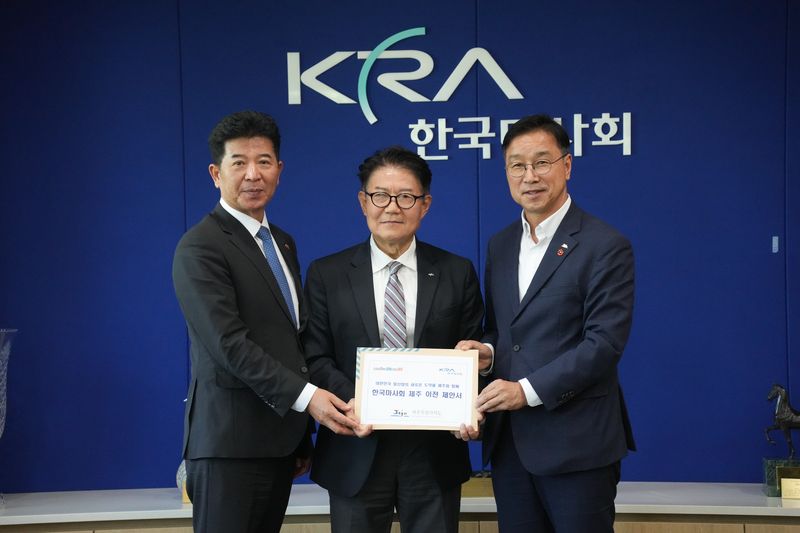
A sire is a male horse selected to pass on superior bloodlines and racing ability to its offspring through breeding. Securing high-quality sires is a key factor affecting the racehorse production base and improvements in quality.
Jeju is emphasizing this achievement in the context of the government’s second relocation of public institutions to provincial regions. The provincial government aims to bring the KRA headquarters, which is responsible for fostering the horse industry, to Jeju and build a national hub linking horse production and development, horse racing and tourism.
Jeju’s key competitive advantage is its horse production and breeding base, the largest in the country. According to the Ministry of Agriculture, Food and Rural Affairs’ 2025 survey of the horse industry, Jeju had 14,876 of the 27,165 horses raised nationwide. That is 54.8% of the national total, meaning that more than one in every two horses raised in South Korea is in Jeju.
Jeju also has existing facilities such as the Jeju Race Park and racehorse training ranches operated by the KRA. This sets it apart from other regions, as it already has an industrial base that can link horse production and development with the operation of horse racing.
The KRA is both a horse racing operator and the designated organization responsible for fostering the horse industry under the Horse Industry Promotion Act. It carries out policy projects, research and development, and training of skilled professionals related to the horse industry. Its headquarters are currently in Gwacheon, Gyeonggi Province.
The Jeju provincial government says that locating the KRA headquarters at the production site would strengthen links between horse industry policy, research and development, and support for farms. In the longer term, it also plans to create a horse industry convergence cluster combining equestrian activities, tourism and cultural content.
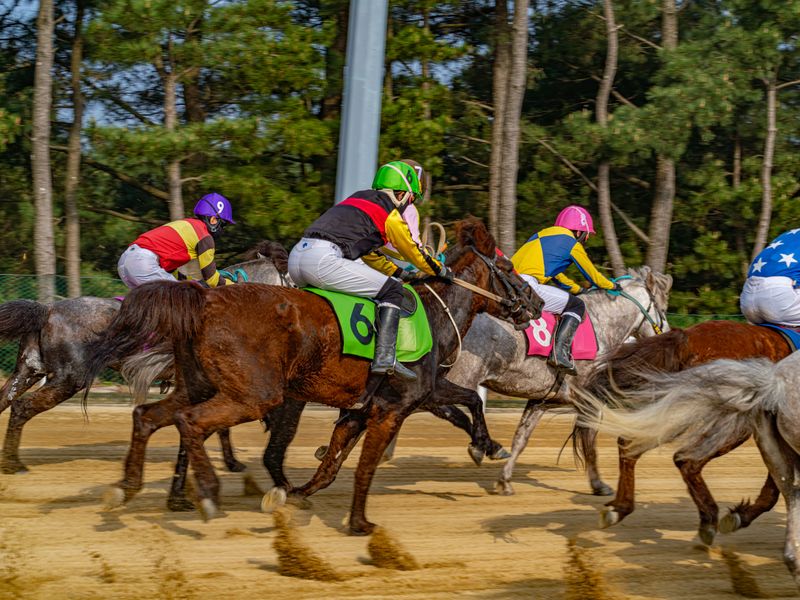
Earlier, on the 1st, Jeju Governor Wi Seong-gon visited the KRA in Gwacheon, Gyeonggi Province, with Jeju Provincial Council Speaker Song Young-hoon and delivered a proposal to relocate the headquarters to Jeju to Chairman Woo Hee-jong.
The proposal included making use of existing horse industry facilities, support for securing office space and land for the relocation, and measures to support employees’ housing, education and transportation. Governor Wi also met with the KRA labor union to discuss settlement conditions for employees and their families.
The institutions to be relocated and their regional destinations in the government’s second round of public institution relocations have not yet been decided. The government will need to comprehensively review each institution’s functions and links with regional industries, relocation costs, continuity of operations, and living conditions for employees.
Jeju also needs to specify the jobs, regional economic benefits and inter-industry projects that bringing the KRA to the island would generate. The key to its bid is whether it can turn its locational advantage—the concentration of the horse industry—into a real boost to the competitiveness of the national horse industry.
“Jeju has ranked first for 12 consecutive years and is serving as a model for South Korea’s horse industry,” said Kim Young-jun, head of Jeju’s Agriculture, Livestock and Food Bureau. “These results support the case for why the KRA should come to Jeju.”
Jeju plans to work with its pan-provincial campaign headquarters for attracting the KRA and relevant bodies, including the National Assembly, to actively respond to discussions on the government’s second round of public institution relocations.
[email protected] Jung Yong-bok Reporter