Ruling camp riven by controversies over Kim Ji-yong and Shincheonji; burden on Kim Min-seok grows
- Input
- 2026-10-14 15:39:45
- Updated
- 2026-10-14 15:39:45
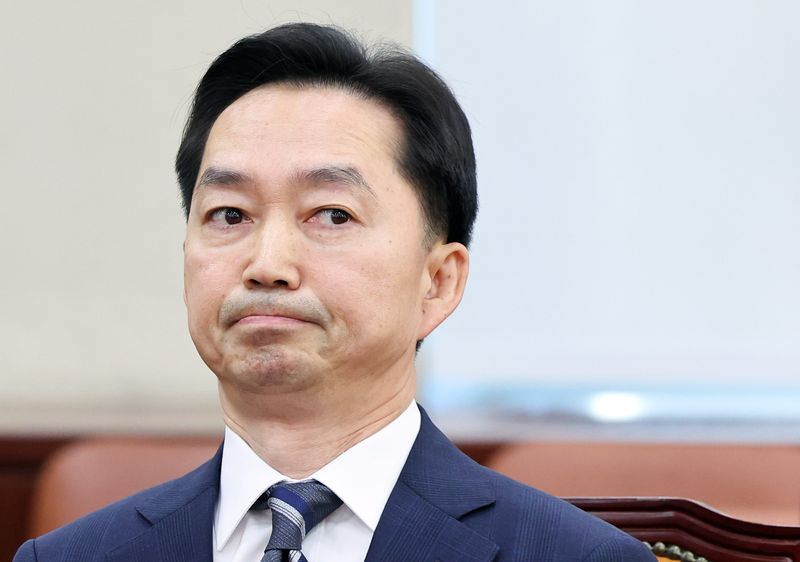
The confirmation hearing for Kim, held at the National Assembly on the 14th, laid bare differences of opinion among ruling party lawmakers. DPK lawmaker Lee Kwang-hee questioned Kim’s participation in a joint statement by prosecutors opposing disciplinary action when Yoon Suk Yeol was president and prosecutor general, raising suspicions that Kim was a “pro-Yoon prosecutor.” DPK lawmaker Yoon Geon-yeong also brought up the case of prosecutor Jung Jin-woong, who was investigating Han Dong-hoon, then a senior prosecutor and one of Yoon’s closest aides. Jung was indicted on charges of assault in the course of official duties and was ultimately acquitted, with the verdict becoming final. Yoon criticized Kim for not actively opposing the indictment. By contrast, lawmaker Chae Hyun-il described Kim, who suffered career setbacks including being sidelined under the Yoon administration, as a “principled anti-Yoon figure.” Lawmaker Lee Sang-sik also rebutted the claim that Kim was a pro-Yoon prosecutor, citing, among other things, his lack of personal ties to former President Yoon.
Opposition within the broader ruling camp to the nomination of Kim, a former prosecutor, has been ongoing. President Lee Jae-myung has maintained his resolve to make the appointment, but DPK hard-liners in favor of prosecution reform and the RKP have not softened their opposition. Gyeonggi Province Governor Choo Mi-ae also joined the public criticism, calling Kim a “pro-Yoon prosecutor” during a parliamentary audit the previous day. Key figures across the ruling camp are voicing their own opinions despite the president’s personnel decision.
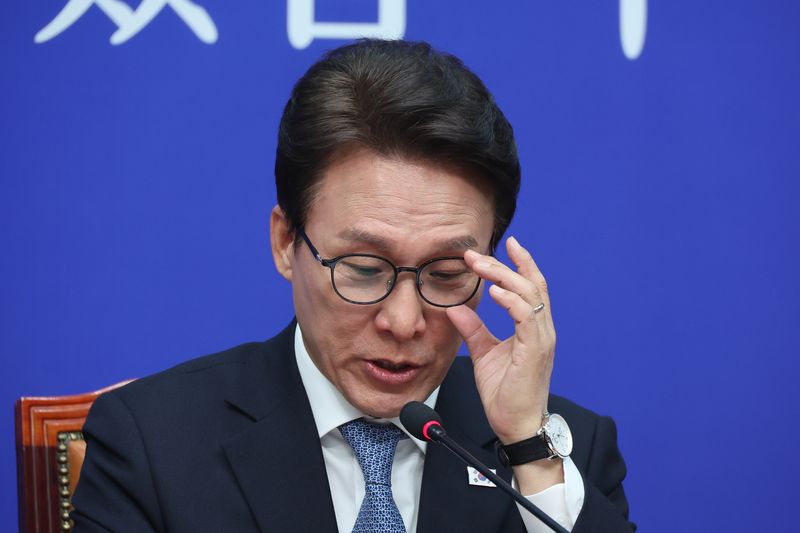
Kim’s burdens do not end there. The allegation of mass Shincheonji membership that he raised during the last party leadership election, targeting Jung Cheong-rae’s camp, is now backfiring. At the time, Kim suggested that Jung’s camp might be linked to Shincheonji forces and alleged a so-called “secret alliance between divisive anti-Lee forces and Shincheonji.” On the program that day, Kim said an internal task force’s investigation had “confirmed that there had been a substantial degree of collective membership.” But evidence that Shincheonji followers joined the party en masse does not establish a link to Jung’s camp. Jung responded on social media: “If the investigation found that the alleged secret alliance between anti-Lee forces, divisive elements and Shincheonji was a false claim, those responsible should be held accountable.” Lawmaker Choi Min-hee also chimed in, saying that if there was no secret alliance, Kim should be held accountable for alleging one and attacking a rival. An allegation aimed at the opposing camp during the leadership contest is instead turning into calls for Kim to take responsibility.
The problem is that Kim does not have a solid independent base within the party. Within the DPK, there is a sense that resentment toward Jung does not translate into active support for Kim. Some figures in the pro-Lee Jae-myung camp and party officials also say Kim’s grip on the party is not strong. In other words, although he has championed a united party-presidential team, he lacks sufficient unity within his own ranks to contain opposition across the broader ruling camp. Observers say that as the dispute over the president’s nomination converges with lingering resentments from the past leadership contest, it may become even harder for Kim to establish himself as a unifying figure in the ruling camp.
[email protected] Song Ji-won Reporter