Redevelopment approvals in first-generation new towns to be given by smartphone, not in writing
- Input
- 2026-10-14 14:02:50
- Updated
- 2026-10-14 14:02:50
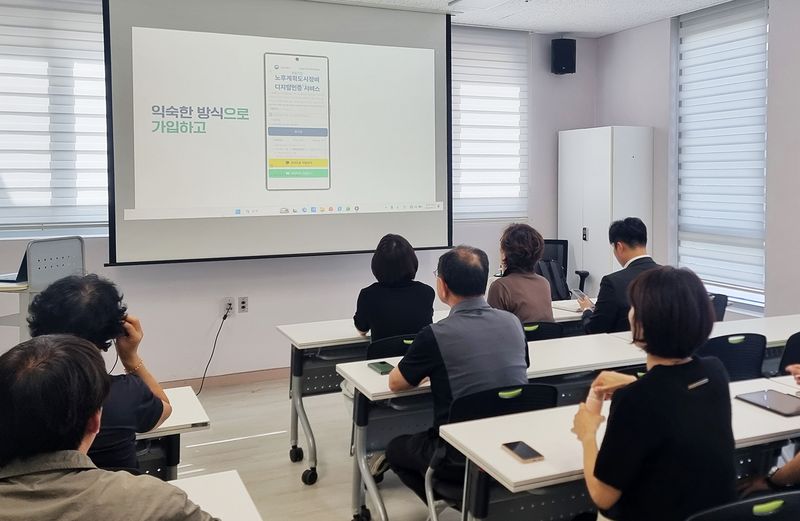
[Financial News] At redevelopment sites in aging planned cities, including first-generation new towns, the practice of indicating support or opposition on a smartphone instead of using paper consent forms is spreading rapidly.
According to LX on the 14th, the electronic consent system improved by Korea Land and Geospatial Informatix Corporation (LX) includes features to verify the authenticity of consent forms and the time of participation, eliminating the possibility of forgery or alteration. About 25,000 land and building owners have used the service to take part in electronic voting across 35 areas in seven local governments.
The electronic consent service on the corporation-operated Aging Planned City Redevelopment Platform is designed to let land and building owners complete consent procedures and vote on redevelopment projects using a computer or smartphone, regardless of time or location, after verifying their identity. It is being used not only in first-generation new towns but also in Busan, Incheon and Daejeon.
Until now, redevelopment projects have faced significant time and cost burdens because consent forms had to be collected one by one on paper. Suspicions of forgery or alteration, as well as difficulty verifying whether a person was the actual owner, were also cited as causes of delays. The system was improved to remove these bottlenecks and make redevelopment projects faster and more transparent.
The key improvement is that amendments to the Act on the Maintenance of Aging Planned Cities now make it possible to verify whether a document is authentic and when consent was given. The corporation says the system also tallies approval rates in real time, making the management process more transparent and helping reduce unnecessary disputes among residents. As word spreads that the service can ease the time and burden involved in decision-making and enable consent forms to be collected in a short period, residents are increasingly asking for on-site information sessions or expressing interest in using the service.
Electronic consent entered the institutional framework last year. At a Cabinet meeting on June 19, 2025, the government approved a proposed amendment to the Enforcement Decree of the Act on the Maintenance of Aging Planned Cities. From June 25 of the same month, consent could be given after identity verification through notification messages or text messages. Until then, electronic consent had been used only in first-generation new towns under a smart city regulatory sandbox, but the decree amendment expanded its use to aging planned cities nationwide.
Redevelopment of the leading districts is also gaining momentum. On June 22 this year, Jung-dong in Bucheon designated and publicly announced Eunha Village as a redevelopment zone. On July 13, Goyang City accepted a proposal to designate Ilsan District 16 (Kangchon Complexes 1 and 2, and Baekma Complexes 1 and 2) as a special redevelopment zone. As of July, Ilsan was the only leading district in a first-generation new town where a redevelopment zone had not been designated.
As a support organization for the redevelopment of aging planned cities, LX signed an agreement with Gyeonggi Housing & Urban Development Corporation (GH) on March 26 to introduce and use electronic consent services to promote redevelopment projects. On that basis, it is helping obtain residents’ consent during the preliminary consulting process for first-generation new towns.
“The most important things in redevelopment projects are residents’ ability to make quick and accurate decisions and transparency in the projects,” said Shim Byeong-seop, head of LX’s Geospatial Information Division. “We will continue to provide active support so that redevelopment projects in aging planned cities can gain momentum.”
[email protected] Jung Gyeong-su Reporter