AI glasses breach essay exams, exposing gaps in college admissions oversight
- Input
- 2026-10-14 14:56:08
- Updated
- 2026-10-14 14:56:08
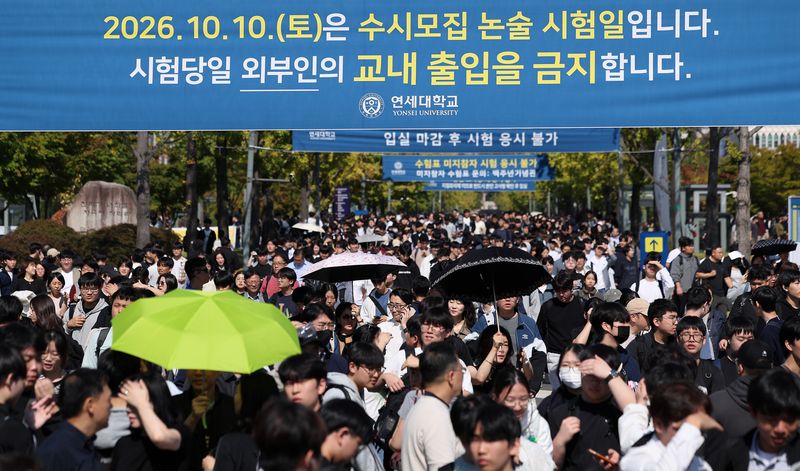
[Financial News] A series of attempts to cheat using artificial intelligence (AI) glasses have been detected during universities’ early admissions essay exams, putting college admissions oversight systems on high alert. The Ministry of Education has asked universities nationwide to strengthen oversight and plans to share response guidelines for the CSAT, but questions have been raised about their effectiveness: exam conditions vary from one university to another, and it is difficult to require universities to apply the guidelines. In particular, as a method of switching glasses during an exam has emerged, calls are growing for stronger oversight during tests, beyond simply banning the items from exam halls.■ CSAT guidelines to be shared with universities, but questions remain over their effectivenessAccording to Financial News’ reporting on the 14th, after examinees wearing AI glasses were caught in a series of incidents during essay exams at Yonsei University and the University of Seoul, the Ministry of Education sent a notice to universities nationwide on the 13th urging them to strengthen exam management and oversight. This is the first time an attempt to cheat using AI glasses has been detected in university admissions in South Korea.
The Ministry of Education and the Korea Institute for Curriculum and Evaluation plan to distribute guidelines for CSAT proctors on responding to AI glasses, along with advisories for test takers, on the 15th. They will also share the materials with universities nationwide and advise them to use the guidelines as a reference when administering upcoming university-specific exams.
The advisories for test takers will include penalties such as being barred from taking the CSAT not only that year but also the following year if they possess prohibited items, including AI glasses. Proctors are expected to receive guidance on the physical characteristics of AI glasses and procedures for checking suspicious behavior during exams.
The problem is that applying the Ministry of Education’s guidelines uniformly to university-specific exams is difficult. Unlike the CSAT, these exams encompass a range of formats, including essay tests, interviews and practical tests, and each university bears primary responsibility for managing its exams. Even if the ministry distributes guidelines, how much they are actually incorporated into each university’s oversight procedures is a separate question.
A Ministry of Education official explained, “Since the types and conditions of university-specific exams—including essay tests, interviews and practical tests—vary from one university to another, we share the CSAT guidelines so each university can respond according to its circumstances and use them as a reference.”
The Ministry of Education has also provided universities with a response manual in the past, when a bomb threat at a CSAT test site became an issue last year. This year, too, Yonsei University and the University of Seoul reportedly shared concerns about AI glasses and held training for proctors ahead of their essay exams, but they were unable to prevent attempts to cheat.
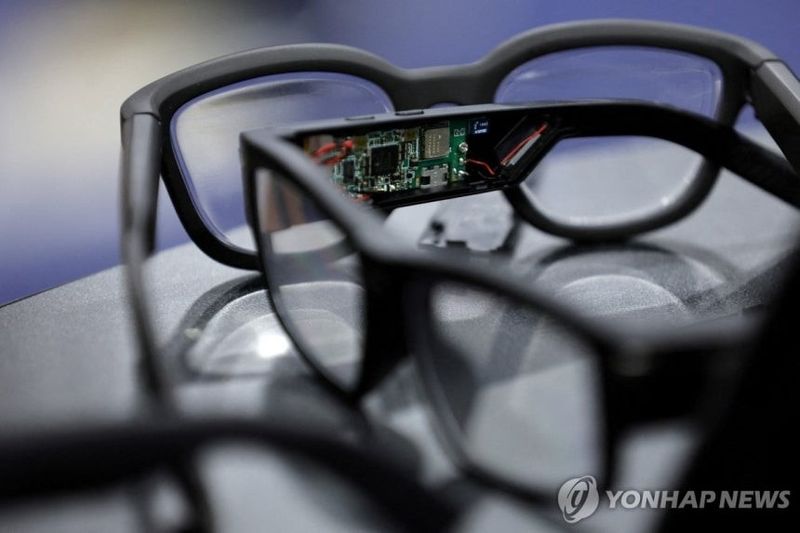
Moon Hyung-nam, a professor in the Division of Convergence and International Studies at Sookmyung Women’s University and president of the Korea AI Education Association, said, “Rather than focusing on the act of touching glasses itself, proctors should focus on checking for the act of switching glasses and concrete signs that electronic devices are installed.” He also said that detection equipment for identifying AI glasses is not a complete solution. Metal detectors can react to ordinary eyeglass frames, while the results from wireless-signal detection equipment can vary depending on whether a device is operating.
“A practical response is to combine advance guidance, checks of the glasses being worn and any spare pair, management of personal belongings, checks on glasses being changed during the exam, and supplementary screening when necessary,” Professor Moon said. He stressed, “The guidelines the Ministry of Education shares with universities should spell out in detail not only how to identify the glasses upon entry, but also procedures for changing glasses during an exam, the scope of permitted use of ordinary glasses, and procedures for checking and recording suspicious situations.”
[email protected] Choi Hye-rim Reporter