KORAMCO Life Infrastructure REIT to sell 19 gas stations in the ‘capital region and Yeongnam’... accelerates asset reshuffle [fn Market Watch]
- Input
- 2026-10-14 10:45:06
- Updated
- 2026-10-14 10:45:06
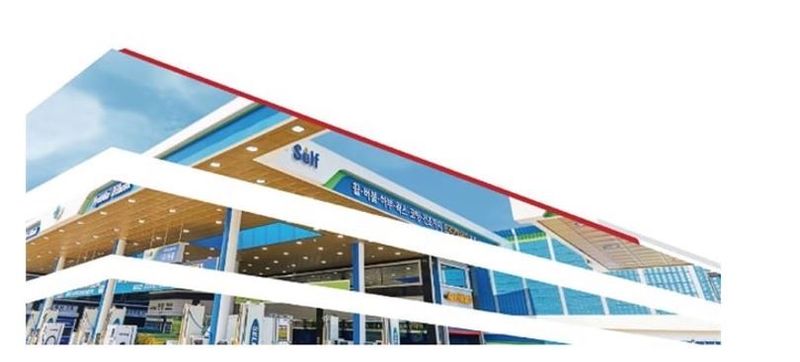
[Financial News] KORAMCO Life Infrastructure REIT is moving to reshape its asset portfolio by selling 19 gas stations nationwide. The move is aimed at securing funds for investment in new growth assets by disposing of existing gas station assets. The sale is drawing attention because the pool of potential buyers includes not only gas station operators but also investors considering site development.
According to investment banking (IB) and real estate industry sources on the 14th, KORAMCO Life Infrastructure REIT, managed by KORAMCO REITs Management and Trust, is seeking to sell 19 gas stations in Incheon, Gyeonggi, Chungcheong and the Yeongnam region. Cushman & Wakefield Korea is advising on the sale. The bidding notice is being issued today, and acquisition proposals are expected to be accepted through November 19.
The properties for sale include four each in Incheon and Gyeonggi, four in Daejeon and North Chungcheong combined, four in Daegu and North Gyeongsang combined, and three in South Gyeongsang. In the capital region, the portfolio includes stations near Incheon's Namdong and Bupyeong industrial complexes, as well as properties in Yongin, Hwaseong and Pyeongtaek in Gyeonggi. Outside the capital region, properties on the market include Namdaegu IC Gas Station in Daegu, Saehwarang Gas Station in Gyeongju and Geukdong Self-Service Gas Station in Changwon.
Real estate IB industry sources see the stations' operating value and the land's development value as the key factors to watch in the deal. Properties near industrial complexes and arterial roads may be expected to attract demand for continued gas station operations, while those in residential or commercial areas could see their sale prices affected by the potential for a change of use and site development.
For KORAMCO Life Infrastructure REIT, the structure is to recover investment funds by selling existing assets and redeploy them into new growth assets. However, the results of the asset rotation are expected to depend on the sale prices and the profitability of the subsequent investments.
Risks specific to gas station transactions are also a factor. Development potential and actual acquisition costs may vary depending on whether the soil is contaminated, remediation costs, existing lease agreements, and conditions for facility removal and permits.
Real estate investment industry observers say gas station sales are expanding beyond simple transactions involving operating assets into deals that assess the land's value for alternative uses. In particular, because this sale includes properties with differing locations and operating characteristics, valuations may vary according to each buyer's investment objectives.
Cushman & Wakefield Korea plans to draw on its experience advising on gas station sales for oil refiners and institutional investors to market the properties to operators, developers and general investors.
A source in the real estate IB industry noted, “Even gas stations serving the same purpose can attract very different groups of buyers depending on their location and development potential,” adding, “The key to this deal is how many investors participate who place a higher value on the land's potential for alternative uses than on income from operating the gas stations.”
[email protected] Kim Kyung-a Reporter