Kwangdong Pharmaceutical, amid controversy over Chimhyanghwan pricing and advertising, says it “agrees with the aim of protecting consumers”
- Input
- 2026-10-14 10:47:36
- Updated
- 2026-10-14 10:47:36
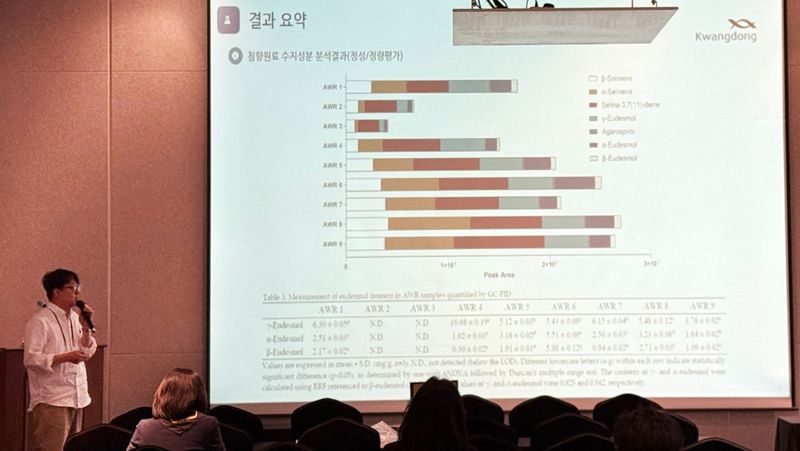
On the 14th, Kwangdong Pharmaceutical said of the recent controversy surrounding Chimhyanghwan, “We strongly agree with the aim of institutional improvements to protect consumers.”
At a parliamentary audit by the National Assembly’s Health and Welfare Committee on the 13th, the ingredient content and retail price of Chimhyanghwan, as well as the appropriateness of its advertising claims, were among the issues discussed. Kim Gyo-heung, a lawmaker from the Democratic Party of Korea, questioned whether the product was appropriately priced, citing its agarwood content and the cost of its ingredients. He also noted that advertising that foregrounds a pharmaceutical company’s brand could mislead consumers about the nature of the product or who sells it. Some also called for rules to be strengthened so that manufacturers, as well as sellers, could be held responsible.
Chimhyanghwan is a product made by combining herbal ingredients such as agarwood. However, ordinary food products are legally classified differently from medicines and health functional foods. As a result, the core of the controversy has come to include not only the product’s quality but also the impression its advertising gives consumers and whether its characteristics and efficacy are conveyed accurately.
Kwangdong Pharmaceutical said there were limits to assessing a finished product’s retail price or level of profitability based solely on the cost of its ingredients or the content of a particular component. The company said that, beyond the proportions of ingredients and auxiliary materials, management throughout the process—including quality screening, manufacturing and safety testing—affects the product’s price.
Around 10 kinds of ingredients are used in Kwangdong Chimhyanghwan, including the main ingredients agarwood and deer antler, as well as cultured wild ginseng root, poria and prepared Rehmannia root. The company said that quality control for each ingredient, inspections at each production stage and related research are also part of the manufacturing process.
Kim Ho-sun, a former vice chairman of the Korean Medicine Association, said that even the same herbal ingredient can vary in quality, and that prices can differ depending on storage, manufacturing and safety testing.
Kwangdong Pharmaceutical also expressed its intention to make improvements to reduce the risk of consumers being misled by its advertising claims.
A Kwangdong Pharmaceutical representative said, “We will immediately improve the relevant processes so that accurate and reliable information can be provided at points of sale,” adding, “We will take responsibility for ensuring appropriate oversight so that consumers receive accurate product information, and will cooperate with the relevant government agencies on institutional improvements.”
[email protected] Jeong Sang-hui Reporter