“I used it because it was convenient”... Consumer harm linked to shared e-bike services continues to mount
- Input
- 2026-10-14 12:00:00
- Updated
- 2026-10-14 12:00:00
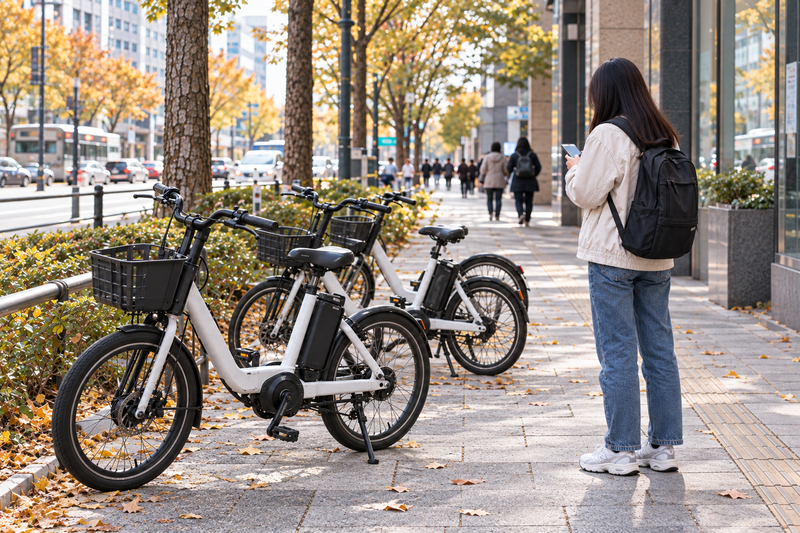
[Financial News] Consumer harm related to subscriptions to shared electric bicycle services has continued to mount, with the services gaining popularity in recent years, particularly among young people such as students. None of the five major companies operating these services provided separate advance notice before automatic charges. Some providers imposed terms unfavorable to consumers, such as restricting midterm cancellation after even a single use of a subscription, the findings showed, pointing to a need for improvement.
According to the Korea Consumer Agency on the 14th, a total of 601 consumer consultations related to shared electric bicycle services were received by the 1372 Consumer Counseling Center over the past two years and six months (January 2024–June 2026). The annual total rose from 136 in 2024 to 338 last year, and 127 consultations were received through June this year.
By type of complaint, “unfair practices”—including automatic charges without prior notice and improper billing—accounted for the largest share, at 31.9% (192 cases). This was followed by “contract cancellation or termination and penalties” at 18.5% (111 cases), and “failure to fulfill contractual obligations” at 15.5% (93 cases). Among unfair practices, improper billing represented the largest share, at 14.8% (89 cases). Automatic charges made without separate notice of subscription renewal accounted for 7.0% (42 cases), followed by charges made after a free trial or promotional event ended, at 3.8% (23 cases).
The Korea Consumer Agency reviewed the subscription terms of five companies—Nine2One, The Swing, Gbike, Kakao Mobility and PUMP—and found that none provided separate advance notice before automatic charges. One of the companies also had no procedure for consumers to separately confirm key terms, such as automatic billing and the refund policy, before paying for a subscription.
Terms for canceling mid-subscription were also identified as a problem. Four of the five companies allowed consumers to withdraw from a subscription only if they had not used it, and restricted midterm cancellation once it had been used, even just once. Electric bicycle subscriptions provide ongoing service for a set period, such as 30, 90 or 365 days, and qualify as continuing transactions under the Act on Door-to-Door Sales, etc.; consumers can therefore cancel during the contract period.
The terms of service also contained provisions unfavorable to consumers. One company stipulated that unused points purchased with paid funds would immediately expire when a member closed their account. Another required consumers to bear responsibility for accidents resulting from failure to conduct a safety check before use, regardless of whether the business was at fault.
Based on its findings, the Korea Consumer Agency recommended that the five companies provide advance notice before automatic charges, establish reasonable refund standards for midterm cancellations, and revise restrictions on refunds for paid points and clauses exempting businesses from liability. All five companies responded that they planned to improve their related notices and terms of service.
An official from the Korea Consumer Agency urged consumers to check the billing cycle and amount, as well as whether automatic renewal is enabled, because subscriptions may be charged automatically at regular intervals. The official also advised them to familiarize themselves in advance with the terms for canceling mid-subscription, including any penalties for cancellation during use and whether refunds are available for the remaining period.
[email protected] Kim Hyun-ji Reporter