Houthi Rebels Suspected of Attacking Saudi Aramco Headquarters... Global Oil Prices on Edge
- Input
- 2026-10-14 05:54:37
- Updated
- 2026-10-14 05:54:37
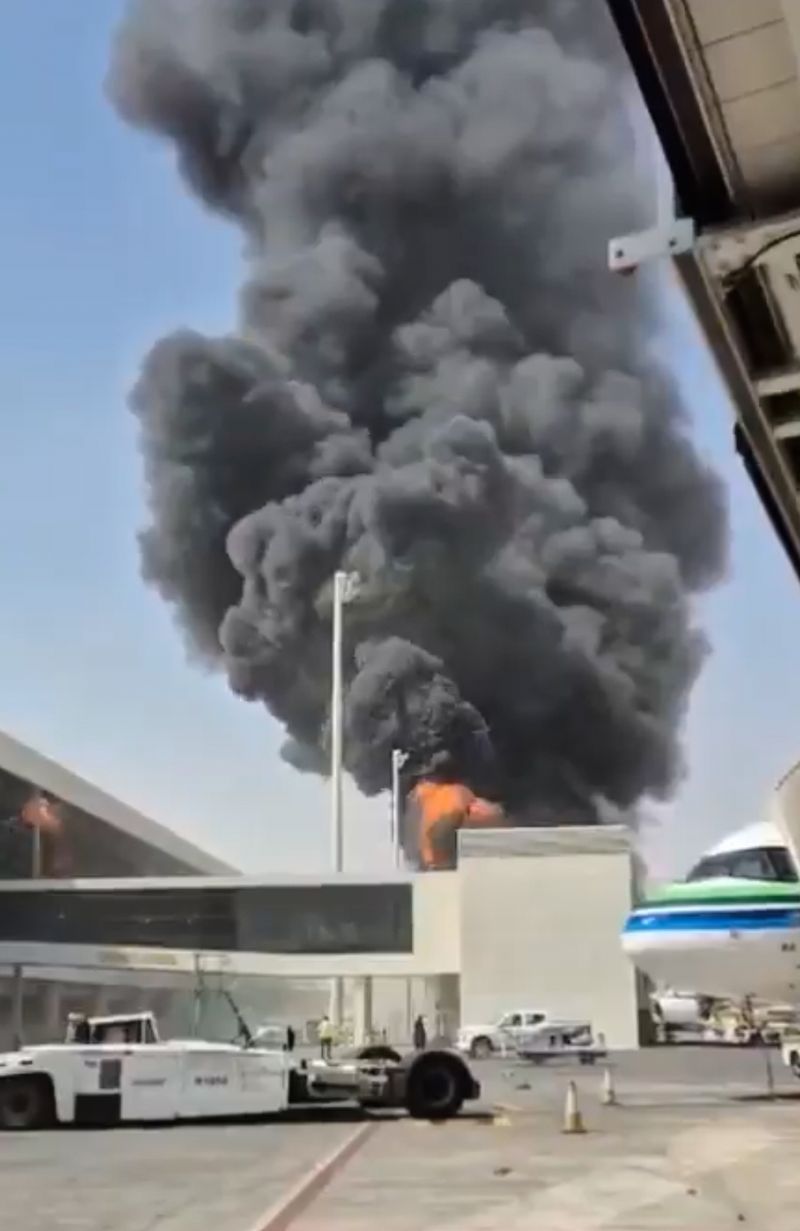
According to the Financial Times (FT) on the 13th (local time), Aramco’s headquarters in Dhahran, in Saudi Arabia’s Eastern Province, was attacked that night and a fire broke out.
A source with direct knowledge of the situation said Aramco’s headquarters was attacked and caught fire. The exact extent of the damage has not been confirmed. Aramco also did not immediately respond to a request for comment.
Aramco is the world’s largest oil company by market capitalization. It remains unclear whether the attack affected critical energy infrastructure, including production and refining facilities.
The attack took place as the World Petroleum Congress was being held in Riyadh, the Saudi capital. Speeches by the CEOs of major energy companies, including Siemens Energy, Baker Hughes and SLB, had been scheduled for the event.
However, as the security situation worsened, CEOs of global oil companies including ExxonMobil, Chevron, Shell, BP and TotalEnergies successively canceled their attendance.
The situation escalated after the Saudi-led coalition launched airstrikes on oil storage facilities on the outskirts of Sanaa, Yemen’s capital.
The coalition said it had attacked the Yemen Petroleum Company’s Sabaha fuel storage facility, and claimed that the Houthi rebels were using civilian facilities for military purposes, including supplying missiles and drones.
Coalition spokesman Turki Al-Maliki said the Houthi rebels had used the facilities to supply weapons that threatened airports, ports and commercial vessels in Saudi Arabia and along the Red Sea.
By contrast, Brig. Gen. Yahya Saree, the Houthi rebels’ military spokesman, rebutted the claim, saying the facility currently had no petroleum products in stock and had no military value.
The Houthi rebels warned of harsh and painful retaliation for the airstrikes on Sanaa, threatening that they could attack Aramco facilities in Saudi Arabia’s Eastern Province and Riyadh.
The Saudi-led coalition announced that day that it had intercepted ballistic missile attacks targeting Dhahran and other locations in the Eastern Province. Debris from missiles intercepted over Dhahran reportedly fell in residential areas. The coalition also said it had intercepted three Houthi rebel drones over Riyadh.
Meanwhile, U.S. President Donald Trump claimed that the Houthi rebels’ repeated attacks were an attempt to drive up global oil prices ahead of the U.S. midterm elections.
Trump said that day that he had spoken with Saudi Crown Prince Mohammed bin Salman about recent Houthi rebel attacks.
On his social media platform Truth Social, he criticized the Houthi rebels, saying, “They are behaving very badly” and “have reemerged, probably at Iran’s behest, and are attacking Saudi Arabia.” He added, “They are deliberately trying to drive up oil prices ahead of the U.S. election,” stressing, “That’s not good.”
Trump warned that he would remain president even after the November 3 midterm elections, saying he would “never forget” the Houthi rebels’ recent actions.
[email protected] Correspondent Lee Byung-cheol Reporter