“Running that leads to death must stop”—Coach Hwang Young-cho’s warning to 10 million runners [Health Issue]
- Input
- 2026-10-14 05:30:00
- Updated
- 2026-10-14 05:30:00

[Financial News] As a running craze sweeps the country, a series of tragic fatalities has fueled growing calls to take a closer look at running culture as a whole.
A woman in her 20s, identified by the surname Yoo, collapsed at the 20.6-kilometer mark—about 500 meters from the finish—while taking part in the half-marathon at the 2026 Seoul Race, held around Jongno-gu, Seoul, on the 11th. She died of cardiac arrest. The tragedy has prompted particular sorrow because Yoo enjoyed marathons and was an active running influencer on social media.
Experts are issuing a strong warning: to prevent running, which people take up for their health, from becoming a deadly “poison” that takes lives, runners must stop pushing themselves to compete for faster times and put their physical condition first.
“Obsession with faster times and social media posts fuels accidents”
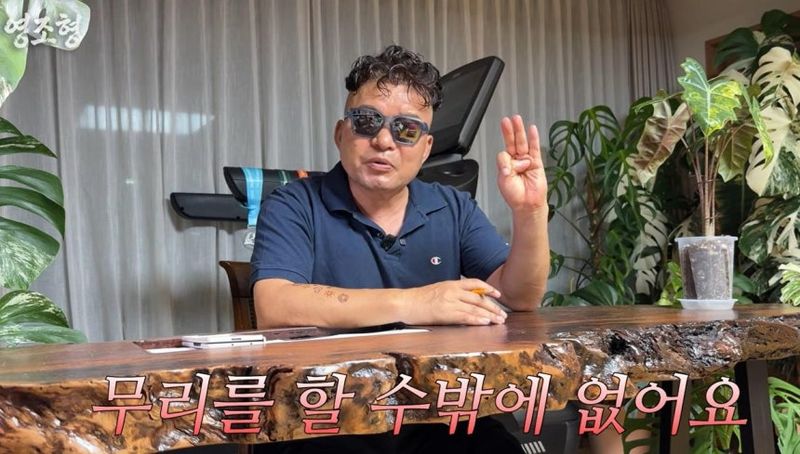
Hwang Young-cho, a legend of South Korean marathon and a 1992 Barcelona Olympic gold medalist who coaches at the Korea Sports Promotion Foundation, cited “chasing records” and “overdoing it in races” as causes of recent marathon accidents on his YouTube channel.
Hwang lamented, “People take up running to live long and stay healthy, but running for health is becoming running that leads to death.” In particular, he criticized the culture of “show-off running,” in which people share videos of themselves running every day on social media and boast about completing a full marathon in a short time. He noted that while it is good to run toward a goal, focusing solely on competing to impress others and pushing too hard to improve one’s time can put severe strain on the body.
Ordinary amateur runners find it difficult to get the systematic training and management that elite athletes receive. They often force themselves to start a race simply because it is “race day,” even when their condition has deteriorated due to lack of sleep, heavy work-related stress, excessive drinking, or other factors.
If you did not get enough rest the day before or have done far too little training, it is wise to withdraw from the race in the first place or drastically shorten the course and run just for practice. Hwang advised, “Rather than rashly taking on a full marathon beyond your ability, you should first complete enough distance and timed-run training, then take on a half-marathon and progress step by step.”
“The courage to know when to quit is the real measure of ability”
If your chest feels tight or you notice any unusual symptoms while running, you should stop immediately. The reluctance to quit—thinking, “It would be a waste to stop after coming this far,” or “I’m so close to finishing”—can lead to irreversible consequences.
Hwang stressed, “Even elite athletes withdraw from races often. People who know when to quit are good runners, and those who know when to stop know themselves.” In other words, a true runner’s attitude is to refrain from running when the body is not ready, even if they want to, and to exercise self-control based on their usual pace, the day’s pace, the weather, and other factors.
Organizers of the mushrooming number of marathon events also have a duty to prepare for emergencies by putting more thorough emergency medical systems in place, including deploying ambulances. Hwang Young-cho noted, “Some races are well prepared, but many are not prepared well enough,” adding, “When a problem occurs, immediate action should be taken, but there are cases where that does not happen.”
He added, “Running is not a competition with others but a conversation with myself. Running well is not about running fast; it is about a ‘Fun Run’—running joyfully without getting injured.”
[email protected] Moon Young-jin Reporter