FSC to Sejong City, FSS to Seoul... Union bluntly warns of cracks in financial safety net [fn Market Watch]
- Input
- 2026-10-13 16:26:00
- Updated
- 2026-10-13 16:26:00
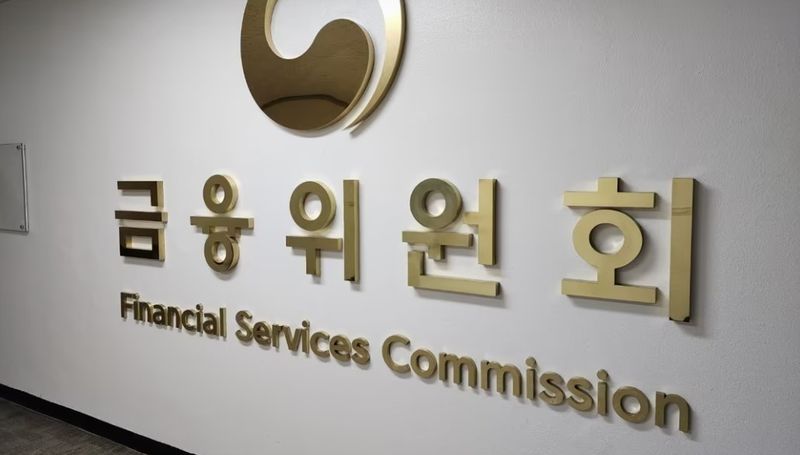
[Financial News] The potential fallout from physically separating the central financial policymaking body from institutions responsible for supervision and market stability has emerged as a hot-button issue amid plans to move the Financial Services Commission (FSC) to Sejong City. The concern is that the gap between policymaking and on-the-ground responses could widen as the FSC moves to Sejong City while key financial safety-net agencies, including the Financial Supervisory Service (FSS) and the Bank of Korea (BOK), remain in Seoul. In the financial sector, maintaining swift coordination among relevant agencies during periods of financial market instability is seen as a key challenge.
According to sources in the financial sector on the 13th, the National Office and Financial Services Workers’ Union issued a statement that day calling for the immediate withdrawal of the government’s plan to move the FSC to Sejong City in the second half of 2027.
The union said, “The FSC’s relocation is not simply a matter of rearranging offices; it affects the market access of financial policy and the capacity to respond to crises.”
The biggest issue is the geographical separation of financial policymaking bodies from supervisory and enforcement agencies. The FSC, FSS, BOK and Korea Deposit Insurance Corporation (KDIC) are currently located in Seoul, where they coordinate with relevant agencies and pursue market-stabilization measures when financial markets are unstable. If the FSC moves to Sejong City, changes to this coordination framework will be inevitable.
The possibility of increased administrative burdens on financial companies has also been raised. The union noted that 91.6% of financial companies’ headquarters are concentrated in Seoul and said companies may have to travel to Sejong City more often for the FSC’s various policy meetings and licensing consultations.
Access to policymakers for global investment banks (IBs) and foreign financial institutions is also a point of contention. The argument is that policy communication could become less efficient if face-to-face consultation channels between financial authorities and overseas financial institutions, built around Seoul, are weakened.
The possibility that specialist staff within the FSC could leave was also raised. The union expressed concern, saying, “Given the expertise required for financial policymaking, staff losses during the relocation process could lead to a decline in policymaking capacity.”
Meanwhile, sources in the financial sector expect emergency-response arrangements among relevant agencies and ways to maintain links with Seoul’s financial market to be major considerations in future discussions of the relocation. Some also say further assessment is needed to determine whether the increased physical distance would actually lead to policy delays or weaken crisis-response capabilities.
The union called for the relocation plan to be withdrawn, saying, “A Financial Services Commission detached from financial markets can only show inefficiency in normal times and incompetence in a crisis.”
A financial investment industry official noted, “The key issue in the FSC’s relocation is not the travel time between Seoul and Sejong City, but how much the time lag between policy decisions and supervisory enforcement can be reduced when markets shift abruptly.” The official added, “If the move is unavoidable, permanent consultation channels in Seoul and a joint response framework among relevant agencies should be worked out first.”
[email protected] Kim Gyeong-a Reporter