“Sprang up from a mortar” ... Korean urban architecture, shaped by “hurry-hurry” growth, gets the spotlight at Harvard
- Input
- 2026-10-13 16:04:52
- Updated
- 2026-10-13 16:04:52
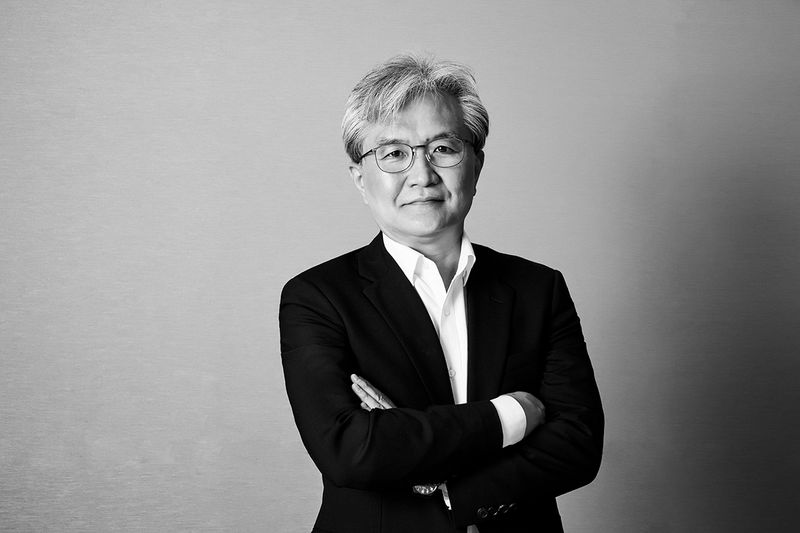
[Financial News] The University of Seoul announced on the 13th that Professor Emeritus Kim Seong-hong of its Department of Architecture will deliver the keynote address at the 2026 Architecture Symposium, to be held on the 17th at Harvard University’s Graduate School of Design in the United States.
The symposium is hosted by Korea GSD, the Korean student organization at Harvard’s Graduate School of Design, and is themed “Contextualizing Korean Architecture.” The event’s overall slogan, “+82+82: From Independence to Acceleration (Acceleration since Independence),” was inspired by South Korea’s country calling code, “+82,” and the country’s distinctive “hurry-hurry” culture. The symposium will take a comprehensive look at how Korean society has adopted and transformed urban and architectural systems amid rapid growth over the past 80-plus years.
In his keynote address, Professor Kim will analyze the formation of modern urban architecture through the lens of Korea’s history of overcoming invasions, colonial rule, and the devastation of the Korean War to rise as a cultural and economic powerhouse. In particular, he will present Seoul as a “city of paradox,” where radical new forms coexist with historical traces, and explain a key perspective for understanding Korean architecture.
The lecture will draw on Professor Kim’s English-language book, “Seoul Urban Architecture: Rising from the Crushing Bowl,” published in early 2026 by Park Books.
In addition to Professor Kim’s keynote, speakers from a range of backgrounds—including independent architecture firms in Korea and abroad, global design firms, and Korean architects working overseas—will take part in the event and discuss the potential for change in Korean architecture. Key participants, including architect Cho Byung-soo, are expected to give presentations on tradition and indigeneity in Korean architecture.
[email protected] Kim Man-gi Reporter