DB Insurance Co., Ltd. leads in overseas M&A; dividend certainty supports its share price
- Input
- 2026-10-13 15:10:07
- Updated
- 2026-10-13 15:10:07
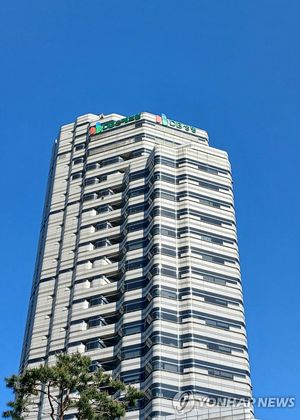
[Financial News] Securities analysts say DB Insurance Co., Ltd. is maintaining its investment appeal by prioritizing a stable shareholder-return policy despite earnings volatility caused by valuation losses on investment assets. Its pledge to increase dividends by double digits every year is seen as a differentiating factor, even as rising market interest rates have weakened the relative appeal of dividend stocks.
On the 13th, NH Investment & Securities maintained its Buy rating and price target of 256,000 won for DB Insurance Co., Ltd. The firm judged that the company is ahead of major listed insurers in overseas mergers and acquisitions (M&A) and the clarity of its capital policy.
A key point is that earnings and dividend trends are moving in opposite directions. In its capital policy announced last August, DB Insurance Co., Ltd. said it would keep its capital ratio, new business, and distributable earnings at appropriate levels while increasing its dividend per share (DPS) by at least 10% each year. The dividend yield based on this year's expected DPS is 4.8%. Third- and fourth-quarter results are expected to be weighed down by weakness in the investment segment. NH Investment & Securities estimates separate net profit at 385.9 billion won, up 31.7% from a year earlier but slightly below market consensus.
Analyst Jung Jun-seop said, “The company’s insurance profit is expected to rise 181.0% year on year to 283.7 billion won,” adding, “The decline in claims for some services, including manual therapy, following the implementation of managed benefits had a positive effect.” Auto insurance is also expected to improve, helped by fewer cases of excessive treatment and favorable weather conditions, the analysis said.
By contrast, investment profit is expected to fall 24.8% year on year to 226.5 billion won. Valuation losses on securities and alternative investment assets, driven by a slowdown in capital markets and rising interest rates, weighed on results. In general insurance, the burden of setting aside reserves for incurred but not reported (IBNR) claims at overseas branches is also a factor.
The key question, then, is how much improved profitability in the core insurance business can offset weakness in investment profit. The management of capital soundness following overseas M&A and the sustainability of the expanded dividend policy are also considered key factors.
Analyst Jung said, “The company is currently ahead of other listed insurers in overseas M&A and the clarity of its capital policy.” The analysis suggests that a predictable dividend policy could support the share price on the downside amid rising earnings volatility.
[email protected] Kim Kyung-a Reporter