CIO’s detention-warrant approval rate just '25%'... Search-and-seizure warrants also rejected over flawed execution
- Input
- 2026-10-13 15:02:03
- Updated
- 2026-10-13 15:02:03
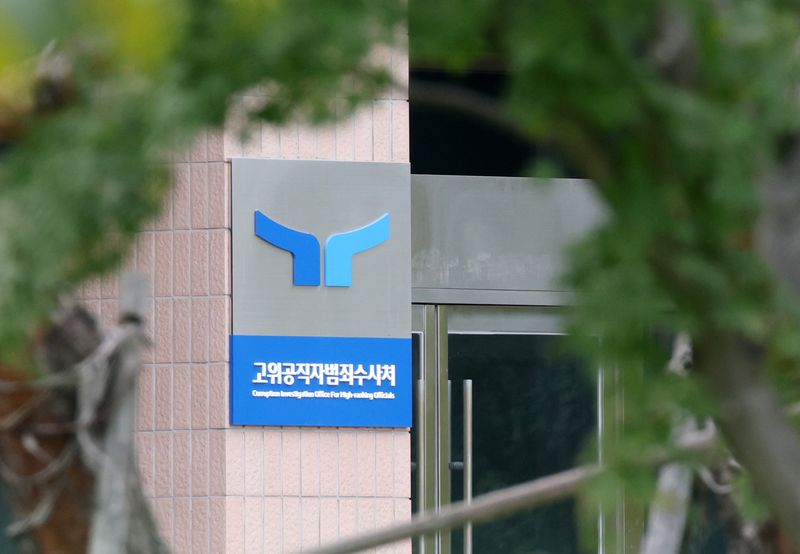
[Financial News] The rates at which detention, arrest and search-and-seizure warrants sought by the Corruption Investigation Office for High-ranking Officials (CIO) were granted were found to be far below the average for all investigative agencies. In particular, there were reportedly two cases in which warrants were rejected because search-and-seizure procedures were not followed.
Data obtained from the CIO on the 13th by the office of Joo Jin-woo, a People Power Party lawmaker on the National Assembly’s Legislation and Judiciary Committee, showed that from its launch through the end of August, the CIO sought detention warrants eight times and obtained them in only two cases, for a grant rate of just 25%.
The two detention warrants that were granted were in cases related to the December 3 Martial Law: one for Sang-ho Moon, former commander of the Defense Intelligence Command, in December 2024, and the other for former President Yoon Suk Yeol in January last year. This year, the CIO sought two detention warrants through the end of August, but both were rejected.
The CIO sought 12 arrest warrants, of which six were granted, for a grant rate of just 50%. Of 260 search-and-seizure warrants, only 177 were granted, equivalent to 70.2%.
According to the Supreme Court, last year the grant rates for warrants submitted to courts by all investigative agencies were 78.6% for detention warrants, 96.6% for arrest warrants and 90.6% for search-and-seizure warrants. In cases handled by the CIO, all the rates were far below the overall figures.
Meanwhile, there were two instances in which the CIO failed to properly execute even search-and-seizure warrants that it had managed to obtain.
Rep. Joo criticized the CIO, saying, “The agency’s investigative capabilities are in doubt, with warrant rejections compounded by controversy over the admissibility of evidence resulting from flawed execution,” and added, “It must first get the basics of due process and investigation right.”
[email protected] Yu Seon-jun Reporter