'Keloids': Tailored treatment should come before excision [Woo Su-han's Excellent Skin Note]
- Input
- 2026-10-13 16:10:37
- Updated
- 2026-10-13 16:10:37
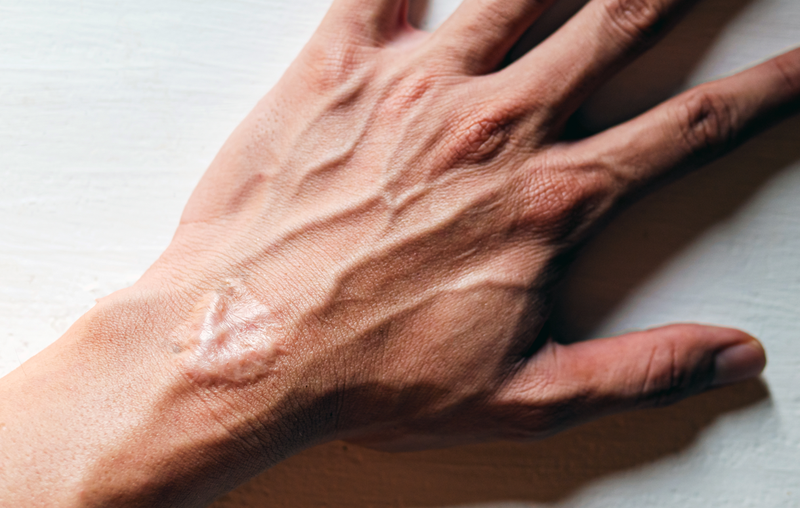
[Financial News] Keloids, which rise red and firm where a wound has healed, are more than a cosmetic problem. Itching and stinging—and sometimes sharp pain from even the slightest brush of a collar—can make everyday life difficult. If a scar continues to grow or the pain keeps recurring, don’t leave it untreated; seek an accurate diagnosis and begin combination treatment.
Keloids: More than just an issue of appearance
Keloids occur when scar tissue grows beyond the boundaries of the original wound and into the surrounding healthy skin as the wound heals. Many people seek treatment because of how they look, but keloids can also cause symptoms, so care is needed.
Keloid symptoms can include persistent itching or stinging in the scarred area, tenderness, and pain. As a keloid grows, it may repeatedly rub against clothing; if it develops near a joint, it can also interfere with daily activities.
Over time, keloids often darken or turn red, and their surface becomes firm, smooth, and raised. If a scar keeps growing or itching and pain worsen, it is better to have a medical evaluation to determine the type and condition of the scar rather than simply wait.
Can you get rid of a bumpy scar just by cutting it out?
When people see a large, raised keloid, it is easy to think, ‘Why not just cut it out surgically?’ But keloids result from an excessive healing response to an injury, so simple excision can cause the surgery itself to create a new skin injury and lead to recurrence. In some cases, the keloid may grow even larger than before.
Treatment for keloids should therefore be chosen based on factors such as the lesion’s size and location and the patient’s previous treatment history. One of the most commonly used approaches is to inject steroids or other medication directly into the lesion. This can help make the scar softer and flatter by suppressing inflammation and excessive collagen production.
Depending on the need, treatment may include laser therapy, cryotherapy, compression therapy, or silicone gel or sheets. Surgical removal may also be considered for large keloids. Even when surgery is performed, other treatments—such as injections, compression therapy, or radiation therapy—may be used alongside it to reduce the risk of recurrence.
There is no single treatment that works for everyone with keloids. Depending on their size, location, symptoms, and whether they have recurred, people often need a combination of treatments or repeated treatment.
Sometimes prevention matters more than treating an existing scar
People who are prone to keloids should minimize unnecessary skin injuries. As a basic precaution, avoid repeatedly scratching or picking at wounds.
If you have had a keloid develop at a previous ear-piercing site or surgical site, be cautious when considering a new piercing or an unnecessary skin procedure. If you tend to develop keloid scars in areas where acne or folliculitis keeps recurring, treat the inflammation early in an effort to prevent new scars from forming.
If surgery is necessary, tell your medical team in advance about your history of keloids. The scar will need to be managed after surgery, depending on how the wound heals. In most cases, scars are managed after surgery with methods such as silicone gel or sheets, taping, and compression.

/ Woo Su-han, medical director of THE HEAL MAPO Dermatology Clinic in Mapo Gongdeok
[email protected] Kim Hyun-sun Reporter