Samjin Pharmaceutical Co., Ltd.'s Hydrasec Granules expand prescription eligibility for children and adolescents
- Input
- 2026-10-13 10:47:56
- Updated
- 2026-10-13 10:47:56
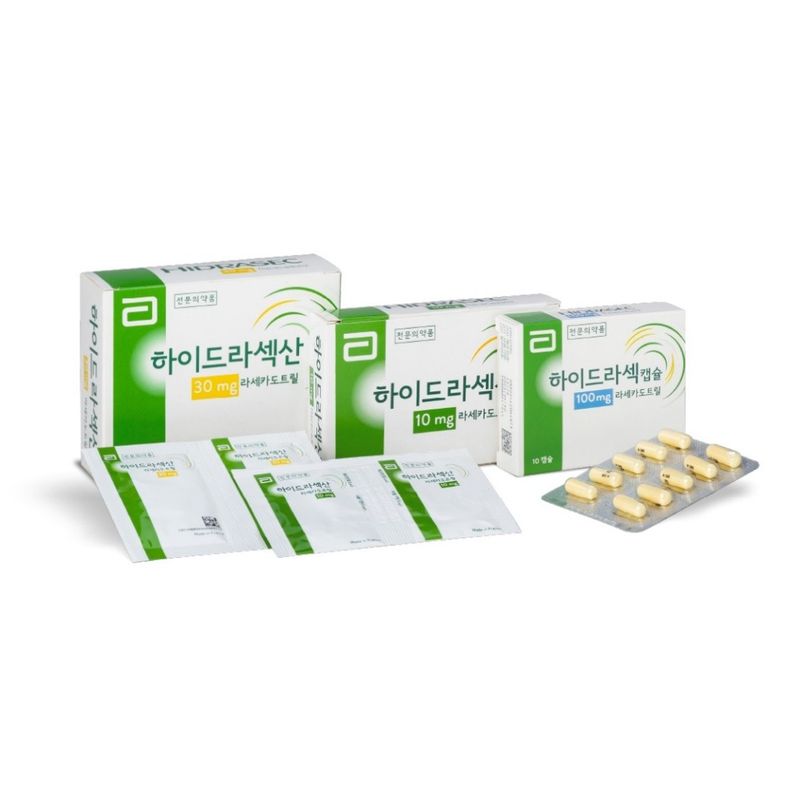
Samjin Pharmaceutical Co., Ltd. said on the 13th that the Ministry of Food and Drug Safety approved revisions to Hydrasec granules' product information on September 23.
Previously, the medicine could be used only for children aged 3 months or older but under 12 years. With this change, prescribing eligibility has expanded to include children and adolescents aged 12 and older.
Dosage and administration according to weight were also adjusted to sachet units. Those weighing less than 9 kg should take one 10 mg sachet per dose; those weighing 9 kg or more but less than 13 kg should take two 10 mg sachets per dose. For those weighing 13 kg or more and up to 27 kg, the dose is one 30 mg sachet; for those weighing over 27 kg, it is two 30 mg sachets per dose. The medicine is taken three times a day at regular intervals.
Hydrasec granules are a powdered medicine that can be administered immediately after being mixed with water, infant formula, milk, or food.
This approval change also comes amid shifts in the market for treatments for acute diarrhea in children. In July, the Ministry of Food and Drug Safety removed the indication for “acute diarrhea in children aged 24 months and older” from preparations containing dioctahedral smectite, after safety concerns related to lead content were raised. As demand for alternative treatments increased in clinical settings, prescriptions for Hydrasec granules became concentrated, and temporary supply disruptions occurred for a time.
Samjin Pharmaceutical Co., Ltd. said it is currently supplying both the 10 mg and 30 mg strengths of Hydrasec granules as normal.
Kim Sang-jin, president of Samjin Pharmaceutical Co., Ltd., said, “This change to the approved product information has expanded the range of patients eligible for prescriptions and improved ease of administration. We will do our utmost to maintain a stable supply so that there is no gap in treatment for pediatric diarrhea.”
[email protected] Jeong Sang-hee Reporter