Improved cabin cooling on Incheon Line 2 pays off: Complaints of cars being “too hot” during commute hours down 64.9%
- Input
- 2026-10-13 10:30:03
- Updated
- 2026-10-13 10:30:03
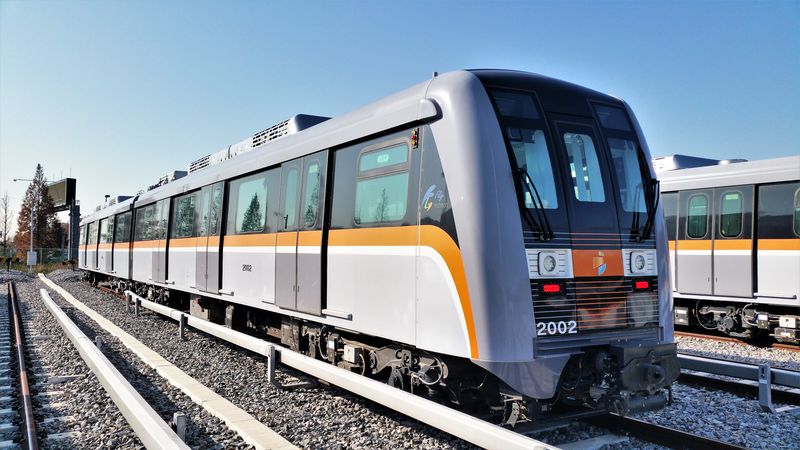
【Financial News, Incheon | Han Gap-su, staff writer】Complaints about temperature-related discomfort among passengers during commute hours have fallen sharply following improvements to cabin air-conditioning operations on Incheon Subway Line 2. Air-conditioning controls that take into account congested sections, train direction and time of day are believed to have contributed to the decrease in complaints.
Incheon Transit Corporation said on the 13th that, after improving its in-house-developed “Intelligent Smart Cabin Cooling System,” complaints that cabins were too hot during commute hours fell 64.9% last August compared with the same period the previous year.
Last August, 154 heat-related complaints were received about Incheon Subway Line 2 between 7 and 10 a.m. and between 5 and 8 p.m., down 285 from 439 in August the previous year. Complaints between 7 and 8 a.m. also fell from 166 last year to 40 this year, a 76% decrease.
Monthly complaints about cabin temperatures overall also declined. Although the average temperature in the Incheon area rose from 27.4°C in August last year to 28.1°C this year, related complaints during the same period fell by 191, from 675 to 484. Complaints thus decreased by 28.3% despite the higher temperatures.
The results reflect the corporation’s phased improvements to the cooling system. Incheon Line 2 operates without onboard drivers, which limited staff’s ability to immediately check and respond to temperature changes inside trains. In fact, 91% of all complaints last year were requests to adjust cabin temperatures, and 84% of those said it was too hot.
To address these issues, the corporation introduced the Intelligent Smart Cabin Cooling System last July using in-house technology from its integrated control center. The key feature is that the control center uses real-time train locations and congestion data for each section to remotely control cabin cooling and automatically adjust it according to operating conditions.
The system increases cooling to lower cabin temperatures before a train reaches a section where passengers tend to crowd, then reduces the cooling intensity after it passes through the congested section. It is designed to respond before passenger numbers rise while also reducing energy waste in sections with fewer passengers.
In August, the corporation further upgraded the system to make its cooling settings more precise. It expanded the number of settings based on congestion and time of day from five to 10, and set different target temperatures for commute hours and other times. It also identified congested sections separately for upbound and downbound trains, allowing cooling to be adjusted according to the train’s direction and operating time.
The corporation expects the improvements to help not only with cabin environment management but also with energy efficiency and reducing the control center’s workload. It said the effort was also significant because the system was built using its own technical capabilities rather than relying on outside technology.
Choi Jeong-gyu, president of Incheon Transit Corporation, said, “Because Line 2 operates without onboard drivers, it was difficult to anticipate and respond to the temperatures passengers would experience. But the system improvements have allowed us to enhance both cabin comfort and energy efficiency.”
[email protected] Han Gap-su Reporter