Jeju to receive an additional 3.4 billion won from Local Extinction Response Fund; 2.4 billion won earmarked for young farmers’ smart farms
- Input
- 2026-10-13 10:24:10
- Updated
- 2026-10-13 10:24:10
【Financial News, Jeju—Reporter Jung Yong-bok】 Jeju will invest 2.4 billion won of the additional 3.4 billion won it secured from the Local Extinction Response Fund in developing a lease-based smart farm for young farmers. The remaining 1 billion won will go toward social and solidarity economy support to provide local services and create jobs in towns and townships.
According to Jeju Special Self-Governing Province on the 13th, Jeju secured an additional 3.4 billion won after receiving an “Excellent” rating in the investment plan evaluation for the Local Extinction Response Fund’s metropolitan support account, introduced for the first time this year by the Ministry of the Interior and Safety.
Jeju Province plans to invest 2.4 billion won of the funding in the Regional Specialized Lease-Based Smart Farm Development Project and 1 billion won in the Social and Solidarity Economy Support Project for Realizing a Basic Society in Jeju.
This was the first time that 50 billion won of the 250 billion won metropolitan support account, previously distributed based on factors including population and fiscal conditions, was allocated at different levels according to the suitability and feasibility of project plans. The Local Extinction Response Fund provides government funding to local governments to address population decline and weakening regional vitality.
Of the 15 cities and provinces evaluated, Gangwon and South Chungcheong will each receive 6.6 billion won after earning the highest rating. Six regions—Jeju, Busan, Daegu, North Chungcheong, North Jeolla and South Gyeongsang—will each receive 3.4 billion won with an “Excellent” rating.
The 3.4 billion won secured by Jeju is an additional allocation resulting from the investment plan evaluation. It should be distinguished from the total size of Jeju’s metropolitan support account, which includes previously allocated funding. The evaluation considered factors including whether projects were tailored to local conditions, the need for metropolitan-level implementation, and the projects’ specificity and feasibility.
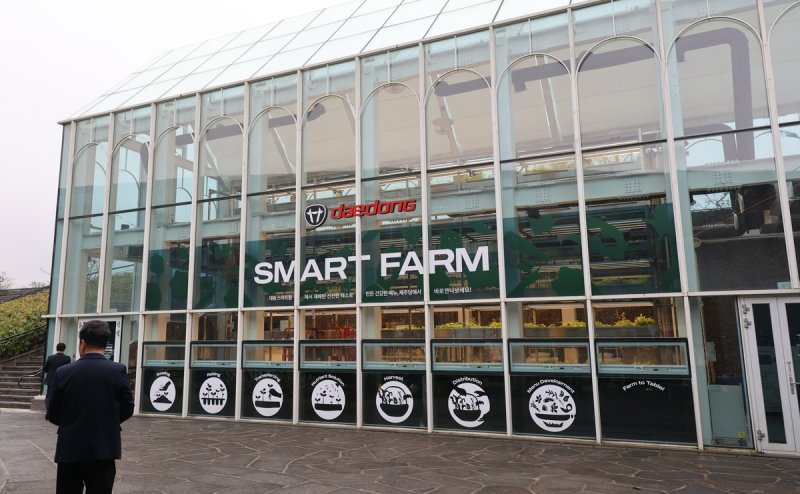
The project receiving the largest allocation from Jeju is a lease-based smart farm for young farmers. The province will invest 2.4 billion won, or 70.6% of the total evaluation-based allocation, in developing a smart farm in and around Bongsung-ri, Aewol-eup, Jeju City.
A lease-based smart farm is a facility built by a local government and then rented to young farmers. It is intended to reduce the burden of initial investment in facilities and help them develop cultivation skills and gain experience in farm management.
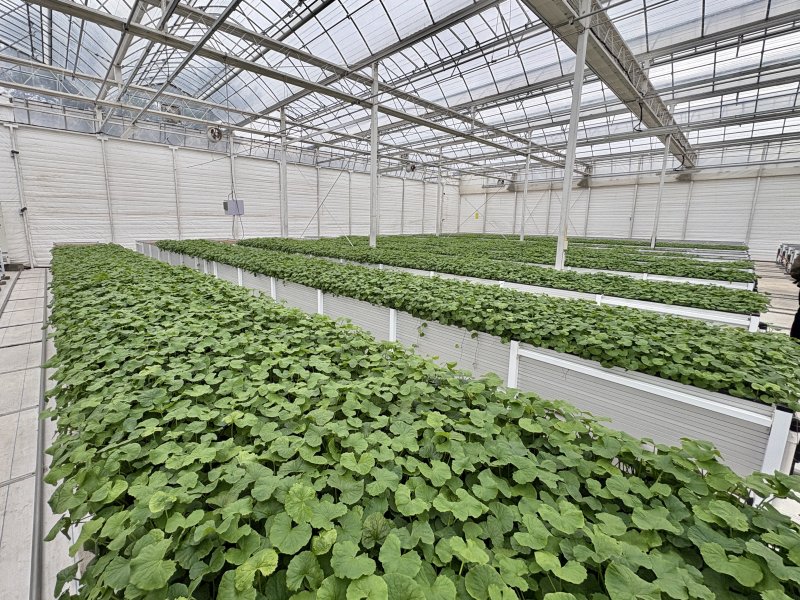
However, the funding relationship between this project and the large-scale projects already underway with national and provincial funding needs to be clarified. In December 2024, Jeju Province was selected for the Ministry of Agriculture, Food and Rural Affairs’ call for proposals for regional specialized lease-based smart farms, securing a total of 24.2 billion won, including 14 billion won in national funding and 10.2 billion won in provincial funding.
According to a plan Jeju Province announced in September, three smart farm greenhouses covering about 4 hectares will be built by December 2028 on the site of the Agricultural Seed Center in Bongsung-ri, Aewol-eup. Once completed, they are to be leased to 24 young farmers in eight teams.
The remaining 1 billion won will be used to support the social and solidarity economy as part of efforts to realize a basic society in Jeju. The social and solidarity economy is a way for members of a local community, including cooperatives, to work together in economic activities while addressing residents’ everyday needs.
Jeju Province plans to identify and nurture social and solidarity economy organizations in response to demand for local services in towns and townships, and to expand public-private cooperation and cooperative activities. The aim is to provide residents with needed services locally while strengthening the foundations for income generation and job creation.
Jeju’s population outflow is also an important factor in assessing the fund’s results. According to the National Data Agency’s 2025 Jeju Regional Economic Trends report, last year 4,273 more people moved out of Jeju than moved in. Net outmigration was particularly pronounced among young people, including those in their teens and twenties.
With young people leaving the region as rural areas age, it will be important to see whether smart farm development and social and solidarity economy support lead to stable incomes and jobs and encourage people to settle locally. The smart farm’s results should be assessed through measures such as whether young farmers who move in continue farming and settle in the region; the social and solidarity economy projects should be assessed through improvements to residents’ local services and job creation, among other measures.
The National Assembly Budget Office has also pointed out that the effects of the Local Extinction Response Fund are unclear, and called for standardized performance indicators and improvements to metropolitan local governments’ performance management systems. Funding under this evaluation is scheduled to be distributed to each metropolitan local government on the 30th.
Yang Je-yun, head of Jeju Province’s Planning and Coordination Office, said, “The design of projects tailored to Jeju’s characteristics, whose impact residents can feel, received a favorable evaluation,” adding, “We will put the funding we secured toward helping young people settle here, creating jobs and improving residents’ living conditions.”
[email protected] Jung Yong-bok Reporter