Houthis strike as the U.S. holds back... Saudi Arabia faces twin security and economic crises
- Input
- 2026-10-13 15:05:12
- Updated
- 2026-10-13 15:05:12
On the 12th (local time), the Houthis continued their daily attacks, targeting Saudi Arabia’s most vulnerable points, including its airports. The Houthis fired a ballistic missile at the international airport in Riyadh, Saudi Arabia’s capital, and coalition forces intercepted it.
The U.S. daily The Wall Street Journal (WSJ) noted that “Saudi Arabia is short of interceptor missiles.” Indeed, reports of signs that its air defenses have been breached are emerging one after another. Riyadh is at least 800 kilometers from areas controlled by the Houthis, but as their attacks have grown more frequent, parts of the city have come to resemble a battlefield.
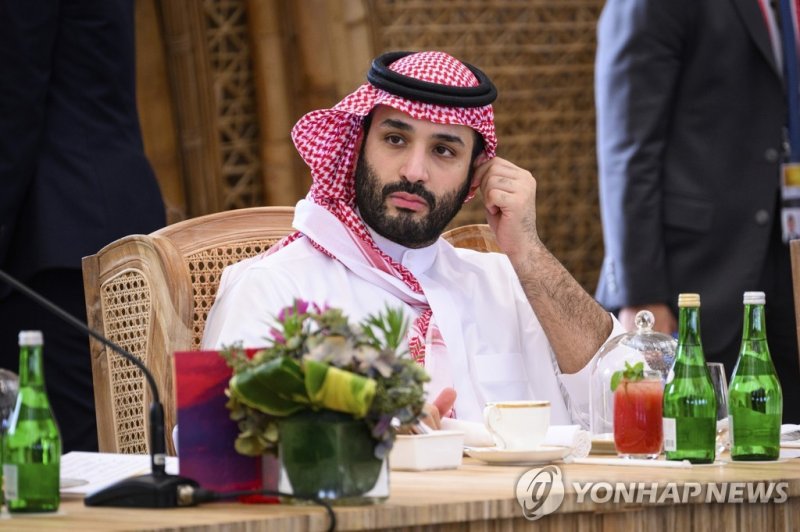
Crown Prince Mohammed bin Salman, Saudi Arabia’s de facto ruler, has also appeared to show concern for his safety. The WSJ reported that “Crown Prince Mohammed bin Salman spends his time moving between palaces equipped with bunkers and tight security.” His last public appearance was at a national blood donation campaign on the 6th.
Saudi Arabia’s military is powerful enough to overwhelm the Houthis, but the problem is that the Houthis are pursuing a strategy of imposing enormous costs through sporadic attacks instead of confronting Saudi regular forces head-on.
With the Houthis pursuing this strategy, Saudi Arabia’s security is being shaken and its economy is also under serious threat. The Saudi finance ministry forecast that the country’s gross domestic product (GDP) would fall 3.6% this year compared with last year.
Many of the mega-projects championed by the crown prince, including the new city of NEOM, a large cube-shaped building in Riyadh and a desert ski resort, have been suspended or are under review. The British newspaper The Telegraph said, “If this situation continues, attracting global capital to achieve Crown Prince Mohammed bin Salman’s plan to transform the country, ‘Vision 2030,’ is expected to prove difficult.”
The organizers of the 25th World Petroleum Congress (WPC), which opened on the 11th, announced that the event would proceed as normal, but key figures continue to pull out. Concerns are also growing that the 10th Future Investment Initiative (FII), Riyadh’s flagship investor gathering, scheduled for later this month, could be disrupted.
Meanwhile, Saudi intelligence officials believe Iran is pressuring the Houthis to engage in a military confrontation with Saudi Arabia and are trying to appease Iran. Crown Prince Mohammed bin Salman is reportedly privately backing U.S. economic pressure on Iran while instructing his close aides to convey to Tehran that Saudi Arabia does not intend to seek confrontation.
Attention is focused on how actively the United States will intervene in the conflict between Saudi Arabia and the Houthis. On the 10th, U.S. President Donald Trump told reporters, “What they did was very bad,” and did not rule out the possibility of joining Saudi airstrikes. However, the United States has not agreed to Saudi Arabia’s request for military support and has sent only a team of military advisers.
Christian Coates Ulrichsen, a Persian Gulf expert and researcher at Rice University’s Baker Institute, said, “Crown Prince Mohammed bin Salman does not have many options for responding.” He explained, “If Saudi Arabia takes military action, it risks being drawn deeper into the conflict.”
[email protected] Hong Chae-wan Reporter