[Editorial] Arctic route trial voyage returns empty; commercial viability remains a challenge
- Input
- 2026-10-12 18:18:19
- Updated
- 2026-10-12 18:18:19
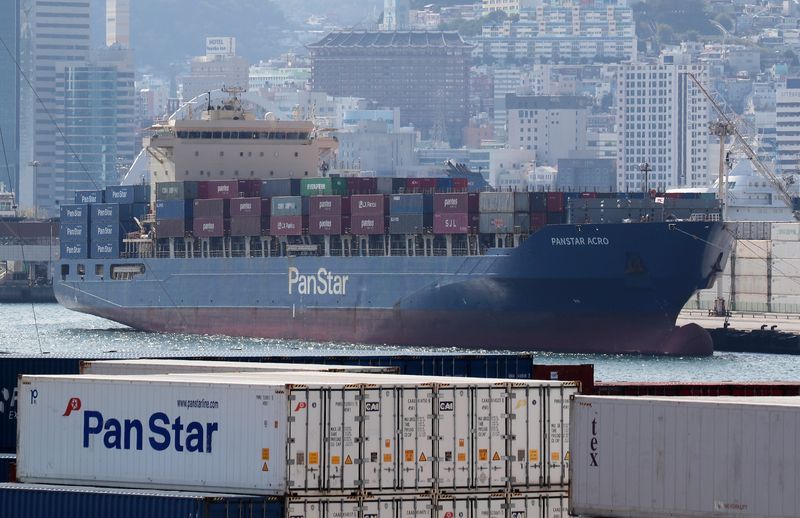
There have been several trial voyages on the Arctic route, but this was the first round trip by a container ship, a mainstay of maritime logistics. The Panstar Acro departed on August 22 carrying 737 TEUs of containers (one TEU is one 20-foot container), called at Felixstowe in the United Kingdom, Rotterdam in the Netherlands and Gdansk in Poland, in that order, and returned 50 days later. The one-way trip between Busan and Rotterdam took about 22 days, cutting sailing time by around 10 days compared with the route through the Suez Canal. The voyage is seen as having demonstrated the potential to establish a regular route.
The voyage is also significant because it took place amid instability in the Middle East, which has exposed vulnerabilities in existing maritime logistics networks. If conflict in the Middle East intensifies, major shipping lanes could come under threat, increasing logistics costs and the burden of delays. For South Korea, which is highly dependent on exports, the Arctic route is drawing interest as an alternative that could diversify geopolitical risks in specific regions and reduce shipping time and costs.
But the practical barriers to overcome are considerable. Arctic waters face major seasonal restrictions on navigation due to ice formation and melting, and relying on Russia for transit permits and icebreaking assistance also carries diplomatic costs. Uncertainty in financing, insurance and payments resulting from sanctions cannot be ignored. Establishing port infrastructure and safe-navigation systems, as well as securing enough icebreakers and ice-class vessels, also remains a challenge.
The voyage also underscored the need for further verification of the route’s commercial viability. Contrary to the original plan, the ship could not secure inbound cargo for the return voyage and came back carrying only empty containers. Container ships need a reliable supply of cargo throughout a round trip to make the economics work. Based on the actual data gathered during this trial voyage, the government must comprehensively analyze not only travel times but also freight rates, fuel costs, insurance premiums and other expenses. A business model that encourages private shipping companies to participate voluntarily is essential to opening a regular route in 2030 and deploying large container ships in 2035 as planned.
Developing the Arctic route is a national undertaking that requires addressing challenges across multiple fields—not only economic viability, but also diplomacy and security, shipping and ports, and industry, science and technology. That is why a government-wide coordinating body is needed, beyond the efforts of individual ministries. Competitors such as China are already actively pursuing the use of the Arctic route. Even so, the country should not rush in an effort to produce results. The route can be developed into a sustainable national logistics corridor only by ensuring commercial viability and safety through thorough data analysis and a carefully crafted diplomatic and security strategy.