“Don’t lose weight just because you have cancer”... The chilling twist about belly fat that has rocked the academic world
- Input
- 2026-10-12 19:00:00
- Updated
- 2026-10-12 19:00:00
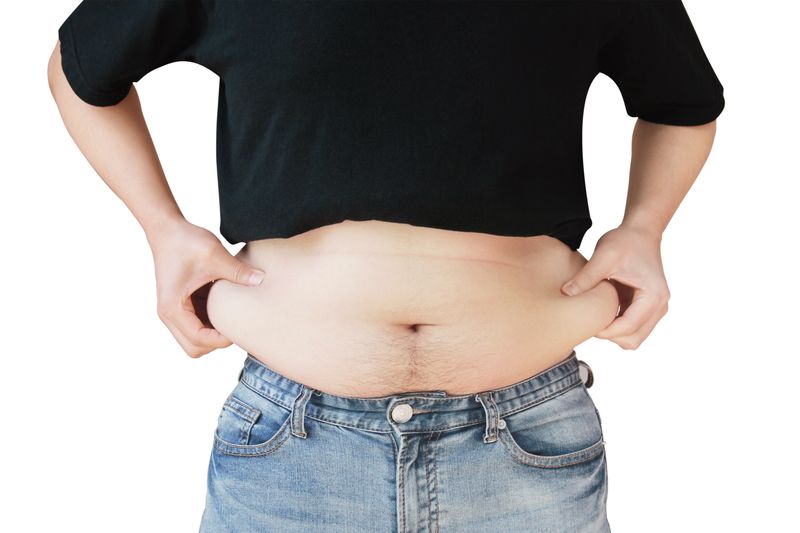
[Financial News] The long-held belief that anyone diagnosed with cancer must lose weight first at all costs and stick to a strict diet is being shattered. Instead, shocking research has emerged showing that “overweight” patients with some extra body fat have dramatically higher survival rates while battling cancer. This is known as the “obesity paradox.”
On the 10th, local time, the New York Post took an in-depth look at the “obesity paradox,” which has been the subject of fierce debate in the medical community for at least a decade, reporting on recent research that has radically rewritten the relationship between weight and cancer survival.
In the past, obesity was considered the root of all evil, causing cancer. But a study published in 2016 found otherwise. Patients with colorectal cancer classified as overweight had the highest survival rates, while underweight patients had the highest mortality. The same pattern was observed across various cancer types, including pancreatic cancer, breast cancer, melanoma and renal cell carcinoma.
Why are obese people more resistant to cancer? Researchers found the answer in “fat.” The first explanation is the “hibernation hypothesis”: excess fat tissue acts as a kind of “energy reserve” amid the extreme stress of cancer treatment, providing patients with the stamina to endure it.
The synergy with immunotherapy drugs is also striking. One study found that when obese patients received immunotherapy, their risk of cancer progressing or death fell by a staggering 56%. Fat effectively served as a powerful booster for the treatment.
The most shocking finding concerns diet. Researchers at McGill University in Canada reported that a so-called “unhealthy diet” packed with sugar, refined grains and saturated fat could actually boost the response to immunotherapy in certain cancers. The idea is that this “bad diet” triggers explosive growth in certain gut bacteria, and chemicals released by these bacteria directly help the immune system attack cancer cells.
Of course, the evidence to the contrary is also compelling. A massive study that analyzed more than 6 million cancer patients in 2021 found that, with some exceptions including lung cancer, kidney cancer and melanoma, obesity still erodes overall survival. The suggestion that this is an illusion created by the limitations of the “body mass index (BMI),” which cannot distinguish body fat from muscle mass, cannot be dismissed either.
But as compelling clues continue to emerge that obesity and gut microbes can maximize the effectiveness of cancer treatment, hopes that the paradigm for future cancer therapies could be completely transformed are spreading throughout the medical community
[email protected] Jeon Sang-il Reporter