Medical devices also face uncertainty amid China's rare-earth restrictions; Japan to support expanded production and stockpiling
- Input
- 2026-10-12 18:09:42
- Updated
- 2026-10-12 18:09:42
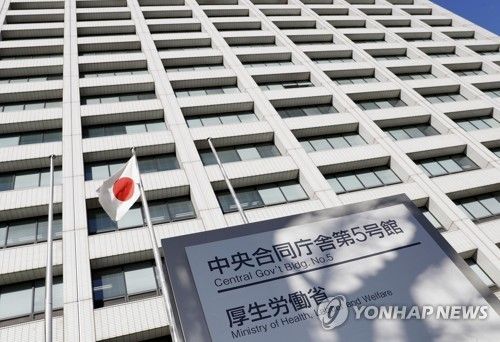
【Financial News, Tokyo—Correspondent Seo Hye-jin】The Japanese government will support increased production and stockpiling of medical devices directly linked to patients' lives. The measure aims to ensure a stable supply of essential medical devices even if overseas procurement is disrupted by China's rare-earth export restrictions, the spread of infectious diseases, or other factors.
According to the Yomiuri Shimbun on the 12th, Japan's Ministry of Health, Labour and Welfare plans to designate devices such as extracorporeal membrane oxygenation systems (ECMO) and ventilators as “medical devices for ensuring a stable supply,” a provisional name, and support the costs companies incur to expand production and stockpiling capacity.
About 60% of the medical devices used in Japan are imported. As China tightens restrictions on rare-earth exports and worsening conditions in the Middle East make supplies of petroleum-related products less certain, the need to strengthen medical device supply chains has grown.
The ministry will first consider devices whose supply interruptions could cause a patient's condition to deteriorate rapidly or lead to death. ECMO, which oxygenates the blood to support lung and heart function, is a likely candidate. Some components of ECMO systems used to treat severe COVID-19 patients contain rare earths for which Japan is highly dependent on China.
Ventilators are also a key candidate for consideration. Japan relies on imports for at least 90% of its ventilators. When demand surged during the COVID-19 pandemic, countries prioritized domestic supply, exposing the risks of relying on overseas sources. Devices used in dialysis are also expected to be included, as most of their raw materials are procured overseas.
The ministry will establish an expert review panel in fiscal 2027 and select the devices to be covered after hearing from manufacturers and sellers. It plans to base its decisions on factors such as the impact of supply shortages on patients and the availability of alternatives.
For designated devices, the ministry will diversify procurement sources and prepare lists of alternative products. It may also ask companies to stockpile supplies in advance. The government will subsidize half the cost if companies expand production lines or build out warehouses for stockpiling.
To fund the initiative, the ministry included 940 million yen in its fiscal 2027 budget request.
[email protected] Seo Hye-jin Reporter