SME Ombudsman: Government evades regulatory reform with “long-term review” ... calls for a comprehensive reexamination
- Input
- 2026-10-12 16:37:57
- Updated
- 2026-10-12 16:37:57
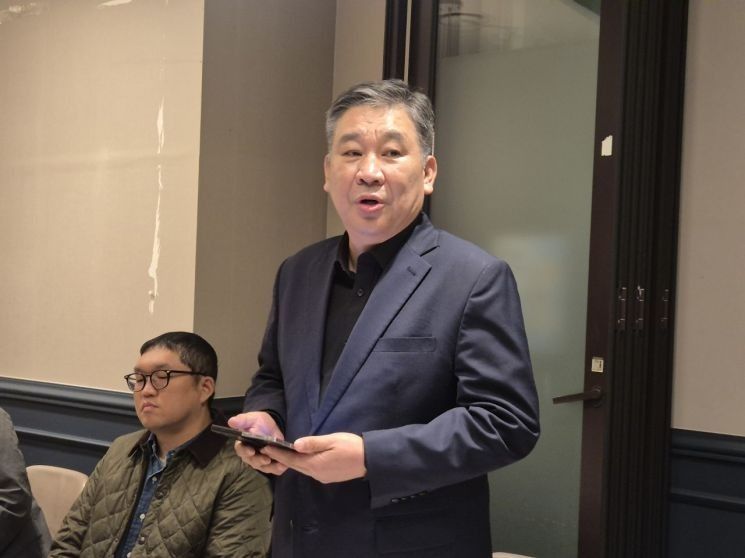
[Financial News] The SME Ombudsman will launch a comprehensive review of regulatory reform items that ministries have placed under “long-term review.” The move aims to prevent the practice of effectively halting discussions after responding to the ombudsman’s proposals for regulatory improvements by saying they require long-term review.
At a luncheon meeting in Yeouido, Seoul, on the 12th, SME Ombudsman Choi Seung-jae said, “Ministries that used to impose opaque guidelines often evade proposals reflecting voices from the field by responding that they require long-term review. I will bring the perfunctory items left on the shelf back to the table and press the ministries relentlessly.”
Choi pointed out that while issues lie dormant in civil servants’ desk drawers, subcontracting firms are going bankrupt and startups are running out of capital.
In particular, he said recent regulatory reform has focused on resolving individual issues, with little tangible impact on businesses in the field, and called for structural problems such as “opaque regulations” and bureaucratic culture in the public sector to be addressed. He said past efforts had amounted to “whack-a-mole” remedies that removed a few outdated regulations just to meet quotas, and “painkiller” fixes that addressed only immediate problems.
He identified the shifting of regulatory burdens by large companies, bureaucracy that blocks startup innovation, and excessive interference by agencies supporting small businesses as major regulatory barriers facing SMEs.
Choi said, “As large companies respond to environmental regulations or environmental, social and governance (ESG) standards, the burden is passed on to third- to fifth-tier suppliers, while startups are blocked by bureaucracy that clings to existing rules and administrative practices. For small businesses, the rigid implementation of government support policies and excessive interference and abuse of power by affiliated support agencies are acting as additional regulations.”
He also addressed the effectiveness of regulatory sandboxes. Choi said, “Even after a project passes through a regulatory sandbox, so many things are still not allowed that people are questioning whether the system is useful,” and proposed reviewing projects that have gone through the system under previous governments and having relevant ministers discuss what is blocking their implementation.
Choi cited restrictions on locating in regional industrial complexes and the ban on dispatching foreign workers between factories run by the same business owner as examples of regulatory improvements being pursued on the ground. He said, “Young people want workplaces with cultural spaces, but the rules remain rooted in the ‘smokestack industries’ standards of the 1970s and 1980s, restricting cafes and IT companies from setting up in aging industrial complexes. Even amid chronic labor shortages, it is still prohibited to flexibly dispatch a foreign worker from Factory A to Factory B, just 10 minutes away, when both are run by the same owner.”
He also cited as areas in need of improvement the imposition of fines for charging electric two-wheelers at electric-vehicle charging stations and the requirement that a sports instructor be present at unmanned gyms late at night.
Choi expressed optimism about Lee So-young, Minister of SMEs and Startups, stating her intention to become a “minister for regulatory reform.” He said, “If the ministry in charge takes the lead, we will be able to resolve long-standing challenges in the field much more quickly.”
[email protected] Kim Hyun-cheol Reporter