After France, Is Italy Next to Face a Sovereign Debt Crisis? Goldman Sachs Warns of Bond Risks as Fiscal Deficits Widen
- Input
- 2026-10-12 15:21:44
- Updated
- 2026-10-12 15:21:44
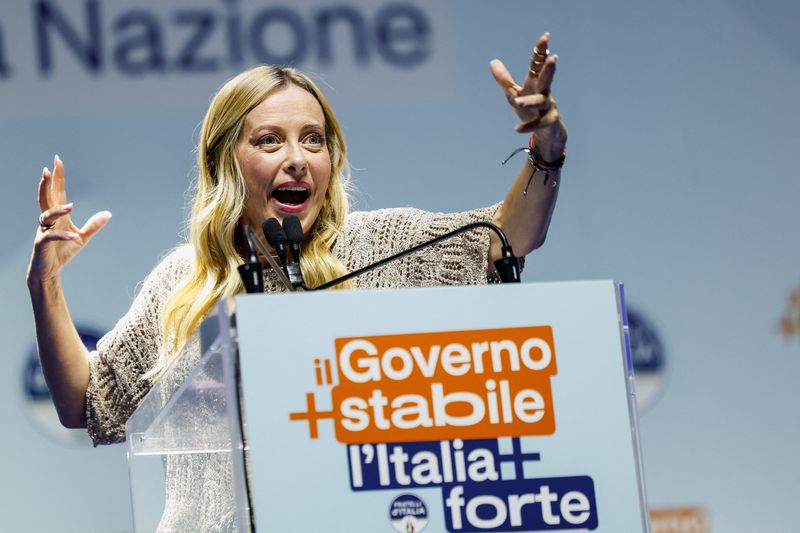
[Financial News] As surging European government bond yields and fiscal uncertainty spread across the eurozone, concerns are growing that Italy could become the next epicenter of the crisis.
Goldman Sachs warned on the 11th (local time) that Italy’s public debt ratio could reach the highest level in Europe by 2028 amid widening fiscal deficits and rising bond yields.
The center-right government led by Prime Minister Giorgia Meloni approved a plan on the 2nd to borrow an additional 28 billion euros (about $31 billion) over the next two years to fund defense and energy spending. Although the amount was scaled back, the spending plan raised Italy’s deficit targets to 3.4% of GDP in 2027 and 3.2% in 2028. These figures are higher than the projections of 2.8% and 2.5% announced last April, and also exceed Goldman Sachs’ forecasts.
The Italian government is expected to present its overall budget next week, including the recently approved budget for the defense and energy sectors. This is expected to widen the fiscal deficit over the next two years and push Italy’s public debt-to-GDP ratio to the highest level in Europe.
Goldman Sachs’ chief European economist Filippo Taddei told CNBC that day, “These changes could put even greater pressure on Italian government bond prices ahead of next year’s general election.” He also said that “the fiscal risk premium could rise against the backdrop of widening fiscal deficits ahead of Italy’s next general election, which is to be held before December 22, 2027.”
He said there was little prospect of fiscal consolidation, as both right- and left-wing parties would seek “partners who support fiscal spending” to form a stable coalition government in the closely contested election. He added, “Looser fiscal policy, tighter financial conditions and a closely contested election are likely to further weaken Italy’s debt outlook after four years of fiscal consolidation.”
[email protected] Seok-woo Lee, International Affairs Specialist Reporter