414 Endangered Insects Returned to the Wild... Jeju Students and Residents Join Conservation Efforts
- Input
- 2026-10-12 15:03:53
- Updated
- 2026-10-12 15:03:53
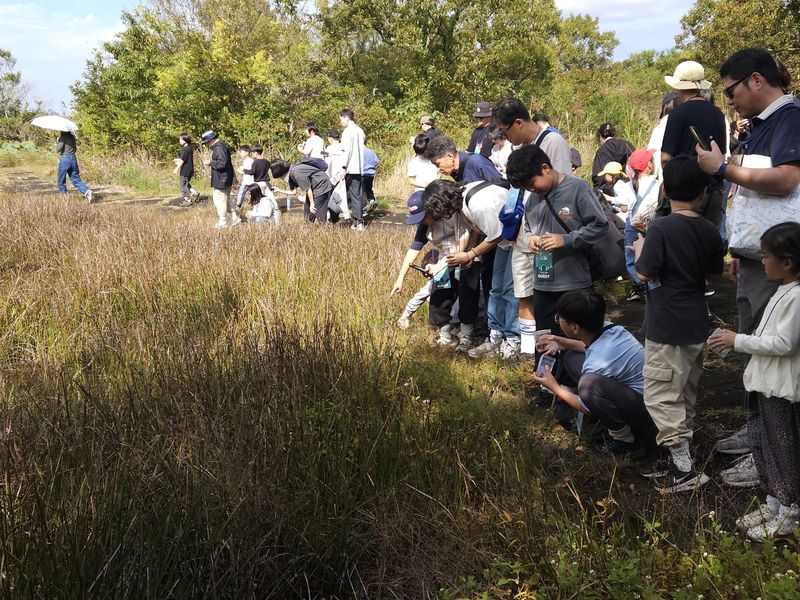
【Financial News, Jeju = Reporter Jeong Yong-bok】 A total of 414 Class II endangered wildlife insects have been returned to the wild in Jeju. As elementary school students and local residents join efforts to release insects bred in captivity by a research institute, endangered-species conservation work is expanding into ecological education for village communities.
According to Jeju Techno Park (JejuTP) on the 12th, the Biodiversity Research Institute under its Clean Bio Business Division released 200 Aegippulsoddongguri dung beetles and 214 Muljanggun giant water bugs into their natural habitats at communal pastures and wetlands in Jeju from September through this month.
The releases took place on six occasions in total. On September 15, 200 Aegippulsoddongguri dung beetles were released at a communal pasture in Hawon-dong, Seogwipo City, and on the 16th at a communal pasture in Sinyeri, Namwon-eup. A total of 214 Muljanggun giant water bugs were released on the 21st of the same month at Gasi-ri, Pyoseon-myeon, and on the 9th of this month at wetlands in Seonheul-ri, Jocheon-eup, Jeju City, among other locations.
Both insects are Class II endangered wildlife species protected by law. They are considered at risk of becoming endangered in the near future because their populations are declining or their habitats are being damaged.
The Aegippulsoddongguri dung beetle is an insect that feeds on the droppings of livestock such as cattle and horses. By carrying the droppings underground, it contributes to the decomposition of organic matter and the cycling of materials in the soil. A decline in livestock grazing, pesticide use and changes to habitat conditions are among the factors thought to be reducing its population.
The Muljanggun giant water bug is a large aquatic insect that lives in ponds and wetlands. A predator that feeds on other small organisms underwater, it plays a part in the wetland food chain. It was once found throughout the country, but its habitat range has contracted because of wetland loss, water pollution and other factors.
A notable development in this project is the involvement of the local community. The JejuTP Biodiversity Research Institute worked with the Seogwipo Office of Education to connect research-based endangered-species conservation activities with school education.
The two institutions signed a business agreement in March to promote ecological transition education, and the Seogwipo Office of Education recruited participating schools in June. Ecological transition education helps students understand biodiversity and climate and environmental issues, and encourages them to adopt sustainable ways of life.
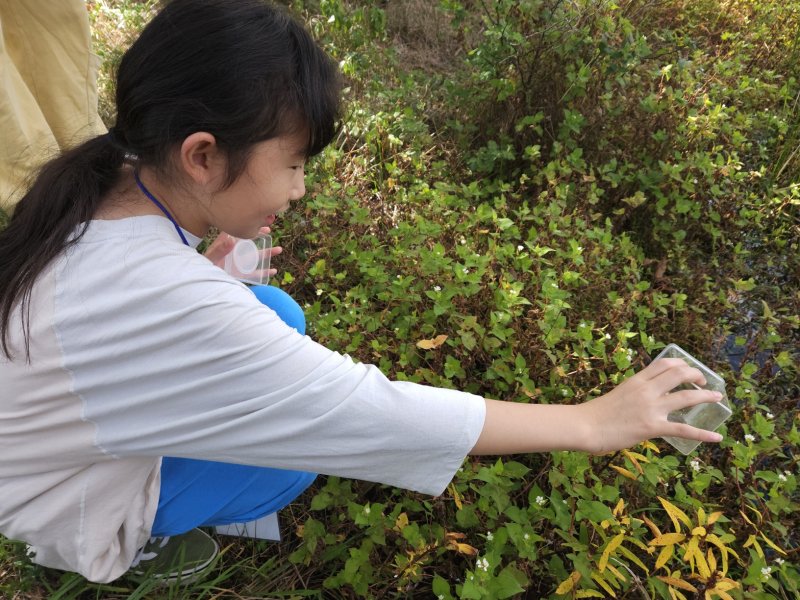
Students from Yerae, Hawon, Sinrye and Heungsan elementary schools, along with local residents, took part in the activities. The students learned about the ecological characteristics of endangered species and the need to protect them, and took part in the releases themselves. They later reflected on the importance of protecting biodiversity by writing about their experiences and composing messages about habitat conservation.
At the communal pasture in Sinrye-ri, 48 students from Sinrye Elementary School took part in returning Aegippulsoddongguri dung beetles to the wild. At the communal pasture in Hawon-dong, 36 students from Yerae and Hawon elementary schools also participated in the release.
On the 9th, local residents and other stakeholders took the lead in releasing Muljanggun giant water bugs at the Seonheul-ri wetland. In this way, ecological education that began at school led to local residents taking part in habitat conservation.
Since being designated by the Ministry of Environment in 2011 as an ex-situ conservation institution, the JejuTP Biodiversity Research Institute has continued to breed endangered insects in captivity and release them into the wild. An ex-situ conservation institution is a specialized organization that protects and breeds endangered organisms in facilities away from their original habitats to support the recovery of wild populations.
JejuTP plans to produce educational materials featuring field examples and ecological information gathered through these release activities and distribute them to schools across the province and local ecological education programs.
Jeong Yong-hwan, acting head of JejuTP, said, “Biological resources and wetland ecosystems are sustainable when the local community works together,” adding, “We will strengthen ecological conservation projects in partnership with local villages, drawing on our research base.”
[email protected] Jeong Yong-bok Reporter