VLCC orders hit an all-time high as Korean shipbuilders target high-margin contracts
- Input
- 2026-10-16 07:29:00
- Updated
- 2026-10-16 07:29:00
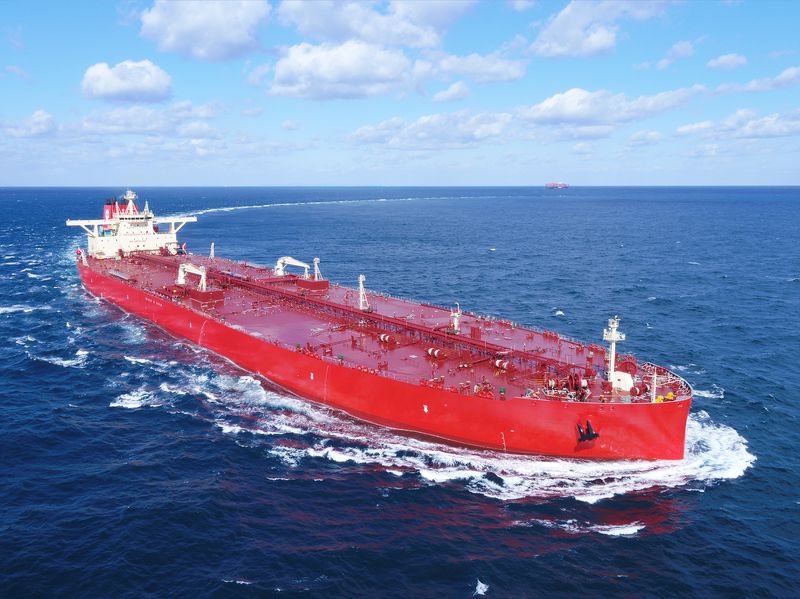
[Financial News] As VLCC freight rates continue to soar, global shipowners are sharply increasing orders for new vessels. This is opening up new opportunities for Korean shipbuilders, but some caution that simply expanding order volumes is not necessarily the best course. With Chinese shipbuilders aggressively pursuing orders and concerns about oversupply also mounting, the key question is how to use limited shipbuilding capacity to secure the most profitable contracts.
According to the Korea Maritime Institute (KMI), as of the 2nd, VLCC freight rates stood at $786,245 per day, up 108.6% from four weeks earlier. Rates had more than doubled in a month. On the Middle East–China route in particular, rates rose 82.8% over the same period to $1,286,655 per day. With geopolitical tensions in the Middle East and restrictions on vessel operations limiting available capacity, an increase in crude oil transport contracts pushed rates higher.
High VLCC freight rates are also reflected in vessel asset values. According to the Korea Ocean Business Corporation, the secondhand price of a five-year-old VLCC stood at $178.09 million as of the 1st, up 9.3% in just a week. It climbed further to $186.84 million on the 8th. By contrast, the price of a newbuild VLCC was $129.46 million as of the 1st. Secondhand vessels were therefore 37.6% more expensive than newbuilds. In effect, a premium is being placed on existing vessels that can generate returns immediately.
Shipowners are also increasing their investment. Volare Shipping, a subsidiary of global commodities trader Trafigura, recently raised about $500 million to expand its VLCC fleet. In addition to the six vessels currently in operation, it is expected to take delivery of eight newbuilds by 2028. New orders are also rising rapidly. According to shipping analysis firm MSI, VLCC orders in the first half of this year totaled 54.5 million tonnes in deadweight tonnage (DWT), surpassing the previous annual record.
Despite a clear rise in VLCC demand, the Korean shipbuilding industry is cautious about expanding investment. For one thing, most of the growing number of orders are going to China. Chinese shipbuilders secured 89% of orders in the first half of this year. Moreover, with a large number of newbuilds set to enter service in 2028–2029, the order boom is likely to fade amid oversupply. For Korea’s three major shipbuilders—HD Korea Shipbuilding & Offshore Engineering Co., Ltd. (HDKSOE), Hanwha Ocean Co., Ltd., and Samsung Heavy Industries—securing higher prices and profitability is more important than competing with China on volume.
A shipbuilding industry official said, “Chinese shipbuilders are rapidly increasing their VLCC orders, but domestic shipbuilders have no need to compete on price just to secure volume,” adding, “With several years’ worth of work already secured, how they use their limited shipbuilding capacity will be the most important factor in determining profitability.”
[email protected] Won-il Jeong Reporter