Arirang, too, of Chinese origin? China designates 24 Korean intangible heritage items, including kimchi-making techniques, as ‘its own cultural heritage’
- Input
- 2026-10-12 16:37:57
- Updated
- 2026-10-12 16:37:57
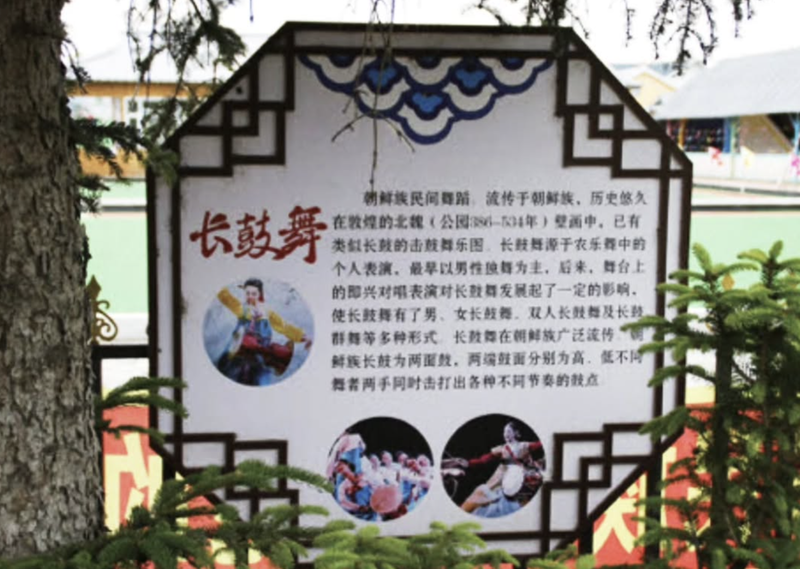
[Financial News] It has been confirmed that China has designated 24 Korean traditional intangible cultural heritage items, including Arirang and pansori, as its own national-level cultural heritage. Some local signs claim that Arirang originated with migrants during China’s Han dynasty, sparking controversy.
On the 12th, a research team led by Professor Seo Kyoung-duk of Sungshin Women’s University said its analysis of the National Heritage Administration’s report, ‘Comprehensive Study on Responses to China’s Cultural Appropriation of Korean Traditions,’ found a total of 24 cases in which traditional culture of ethnic Koreans in China was designated as national-level intangible cultural heritage in the three northeastern provinces of Jilin, Liaoning and Heilongjiang.
By province, there were 19 items in Jilin, four in Liaoning and one in Heilongjiang. The designated items include Arirang and pansori, as well as Chuseok, kimchi-making techniques, ssireum, janggo dance, nongakmu, gayageum, traditional clothing and the hwangap (60th-birthday) ceremony.
China added Nongakmu and Neolttwigi to its national-level intangible cultural heritage list in 2006, followed by janggo dance in 2008, Arirang and pansori in 2011, and haegeum arts and Baekjung Festival in 2021.
Professor Seo particularly pointed out the distortion on an ‘Arirang information board’ installed in Zhongxing Village, Mudanjiang, Heilongjiang Province. The board contains an explanation to the effect that the song sung by Chinese people who migrated to the Korean Peninsula after Emperor Wu of Han established the Four Commanderies was the prototype of Arirang.
Professor Seo stressed, ‘It is an attempt to instill the perception that Arirang was originally Chinese culture by emphasizing that it originated in songs sung by migrants who came from China,’ adding, ‘Our government needs to respond actively to counter this pattern of cultural appropriation, in which China first designates something as its own cultural heritage and then seeks to have it inscribed on UNESCO’s World Heritage List.’
In 2009, China listed ‘Nongakmu of China’s ethnic Koreans’ on UNESCO’s Representative List of the Intangible Cultural Heritage of Humanity. Korea’s nongak was listed five years later, in 2014.
[email protected] Seong Min-seo Reporter