After Coughing, Is It Okay to Keep Clearing Your Throat With an “Ahem-Ahem” When It Feels Scratchy?
- Input
- 2026-10-12 14:32:58
- Updated
- 2026-10-12 14:32:58
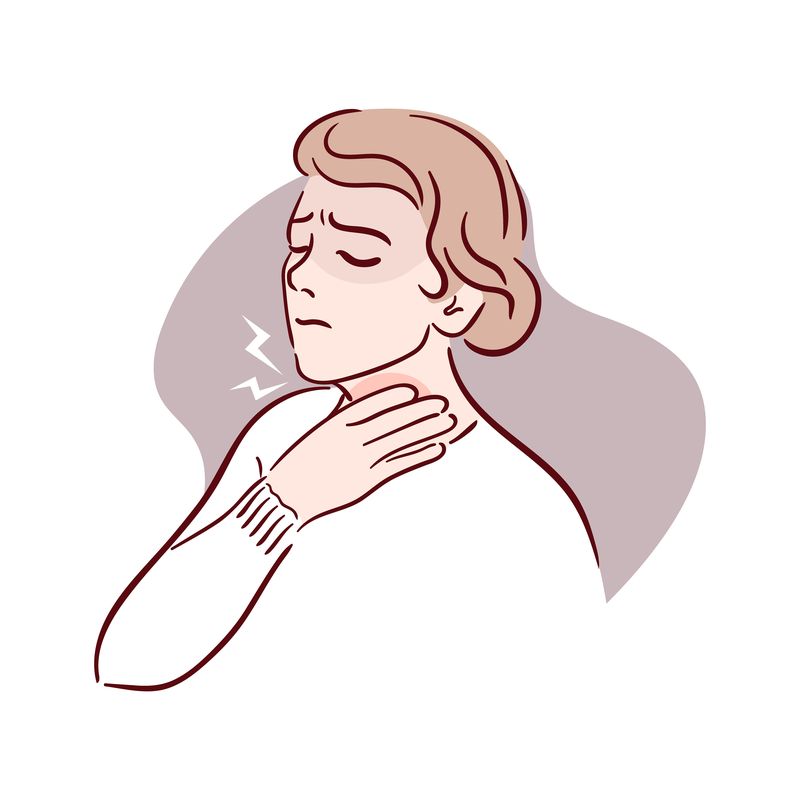
[Financial News] As daily temperature swings grow larger during the change of seasons, more people are experiencing hoarseness or a cracking voice due to colds and coughing. Most recover by resting their vocal cords, but if the changes persist, they may be a sign of a vocal cord disorder.
Frequent coughing can repeatedly irritate the vocal cords, causing temporary voice changes such as hoarseness or a cracking voice. Professor Jung Su-yeon of the Department of Otorhinolaryngology–Head and Neck Surgery at Ewha Womans University Mokdong Hospital explained, “Voice changes caused by a cold or frequent coughing often occur when the vocal cords temporarily swell or become inflamed, and most people recover with sufficient vocal rest.”
The problem arises when hoarseness persists. Overstraining the muscles around the neck to compensate for a voice that is difficult to produce can lead to muscle tension dysphonia. Repeated irritation of the vocal cords can also cause lesions such as early vocal nodules.
Professor Jung stressed, “If your voice remains hoarse or cracked for two to three weeks or longer, don’t dismiss it as a post-cold symptom or a temporary change caused by using your voice heavily and leave it untreated. It’s best to check the condition and movement of your vocal cords with a laryngeal endoscopy or similar examination.”
If your voice has changed temporarily, it’s best to avoid speaking loudly or for long periods and give your vocal cords plenty of rest. Habitual throat-clearing when your throat feels uncomfortable can actually irritate the vocal cords, so it’s advisable to cut back. Drinking enough water also helps keep the vocal cords from drying out.
Professor Jung said, “Because the voice is a means of maintaining everyday life, including communication, if your voice changes because of a cold or cough during the change of seasons, you should pay attention to how long the symptoms last and how they change,” adding, “If recovery is slow or symptoms recur, you should be evaluated by a specialist.”
[email protected] Jeong Myeong-jin, Medical Correspondent Reporter