Protests against alleged election fraud continue in New Delhi, India; controversy over forcible detention of journalists, lawyers and others
- Input
- 2026-10-12 16:07:54
- Updated
- 2026-10-12 16:07:54
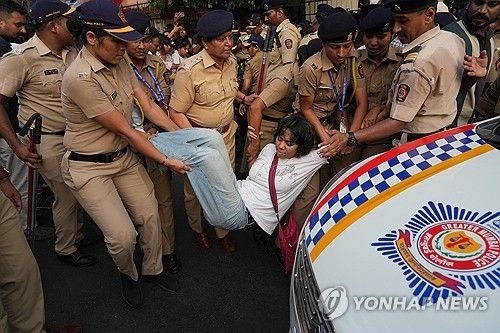
【New Delhi, India = Correspondent Pragya Awasthi】Protests demanding the resignation of Chief Election Commissioner (CEC) Gyanesh Kumar Gupta have continued for a third straight day in New Delhi, India, as the police’s hardline response—including the detention of protesters, journalists, lawyers and students—sparks controversy. Meanwhile, the Cockroach Janata Party (CJP) and left-wing parties said they would continue protesting every day until their demands were met.
Local reports on the 12th said the protests were held to demand accountability from the Election Commission, citing allegations of illegality and irregularities in the Special Intensive Revision of the electoral rolls and so-called “vote theft.” Delhi police restricted permits for rallies and closed some subway stations, while setting up barricades and deploying a heavy security presence in key areas.
Local media and other sources reported that at least 7,000 people were detained on the 10th alone, including a former state chief minister and opposition figures. Three CJP founders were also reportedly taken straight off a plane upon its arrival at Delhi airport and detained, prompting controversy over the procedures and legal basis for their detention.
Detentions of journalists continued on the 11th. Although media organizations across the country and Asia criticized the police response, journalists and independent content creators were reportedly detained or physically restrained despite carrying press credentials.
Before the protests, Delhi police issued guidance telling journalists to wear their press credentials visibly. However, claims emerged that reporters who showed their credentials were detained at the scene. The police reportedly restricted the areas where some journalists could report and warned that they could be detained if they left designated zones. On October 11, India’s Supreme Court stated that journalists carrying out their duties should not be detained or harassed.
About 100 Supreme Court lawyers and lawyers affiliated with Delhi courts were also reportedly detained. The Supreme Court Bar Association criticized the excessive use of force against lawyers, particularly women lawyers, and called for urgent intervention. The UN Office of the High Commissioner for Human Rights (OHCHR) also expressed concern over the mass detention of protesters, civil society members, lawyers and journalists, and called for the immediate release of those arbitrarily detained.
Protests are expected to continue on the 12th. The CJP requested police permission to hold a peaceful gathering at Jantar Mantar. Opposition forces led by Rahul Gandhi also plan to march to the Supreme Court, raising allegations of election fraud and concerns about the Election Commission’s credibility. The situation has expanded beyond debate over the transparency of electoral processes and the accountability of election management bodies to encompass issues of freedom of assembly and expression, the media’s right to report, and the scope of police powers.
[email protected] Pragya Awasthi, Correspondent Reporter