Ruling party: “Some U.S. restrictions on sharing intelligence on North Korea are real; claims of a rift in the U.S.-South Korea alliance are a stretch”
- Input
- 2026-10-12 13:22:46
- Updated
- 2026-10-12 13:22:46
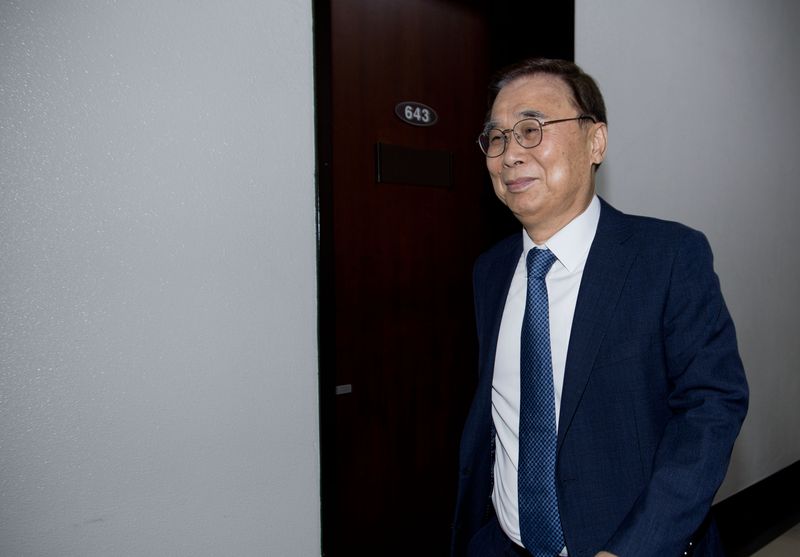
Kim Hyun-jung, a Democratic Party of Korea lawmaker, appeared on KBS radio on the 12th and said, “It is true that some restrictions have been placed on information sharing,” but added, “It is an excessive leap to claim that the U.S.-South Korea alliance has fallen apart because of this.” Kim said, “Information cooperation in various areas, including North Korean missiles, is proceeding normally, and the total amount of information we provide to the United States has not decreased. As for the reason, it seems necessary to look into it at the Intelligence Committee level on a confidential basis.”
She also rejected claims by some that remarks by Unification Minister Chung Dong-young about North Korea’s nuclear facilities in Kusong had led to U.S. restrictions on information sharing, saying, “The facts have not been confirmed.” Her point was that, since the United States has restricted the information it provides to South Korea in the past as well, it is unreasonable to link this to a crisis in the U.S.-South Korea alliance.
Instead, citing the fact that the European Union, Canada, Mexico and Japan are also experiencing conflicts with the United States over its America First foreign policy, she stressed, “We should keep the U.S.-South Korea alliance strong, but we do not have to unconditionally accept unreasonable demands as we seek to protect our national interests.”
She also took a negative stance toward the People Power Party’s call to replace members of the foreign affairs and security team, including Minister Chung and National Intelligence Service Director Lee Jong-seok. Kim said, “This stems less from problems with ministers in our government than from the United States going too far in putting its own interests first,” and argued, “At times like this, the ruling and opposition parties need to divide their roles.”
By contrast, former People Power Party floor leader Kim Seong-tae, who appeared on the program with her, cited the U.S. restrictions on sharing intelligence about North Korea and the controversy over the National Intelligence Service’s exclusion from a South Korea-U.S.-Japan consultative body on responding to cyber threats, and called for an overhaul of the foreign affairs and security team.
Kim, the former floor leader, said, “The dysfunction in the foreign affairs and security command structure has already become evident,” and added, “In the current situation, it would be best to quickly replace the leadership of the foreign affairs and security team through personnel changes.” He continued, “Trust between allies has broken down, and although money continues to be invested, there has been no progress on issues such as nuclear-powered submarines or nuclear reprocessing,” calling for trust between South Korea and the United States to be restored.
[email protected] Song Ji-won Reporter