“₩56 trillion exposed to overseas private lending” ... Concerns over US private credit distress spilling over to domestic insurers and pension funds [fn Market Watch]
- Input
- 2026-10-12 14:44:05
- Updated
- 2026-10-12 14:44:05
[Financial News] Domestic financial companies, pension funds and mutual aid associations have invested about ₩56 trillion in overseas private loans, prompting warnings that distress in the US private credit market could spill over into South Korea’s financial sector. Financial authorities have assessed the domestic financial sector’s investment exposure as manageable, but critics say potential risks should not be overlooked given the complex links between private credit funds and banks and insurers.
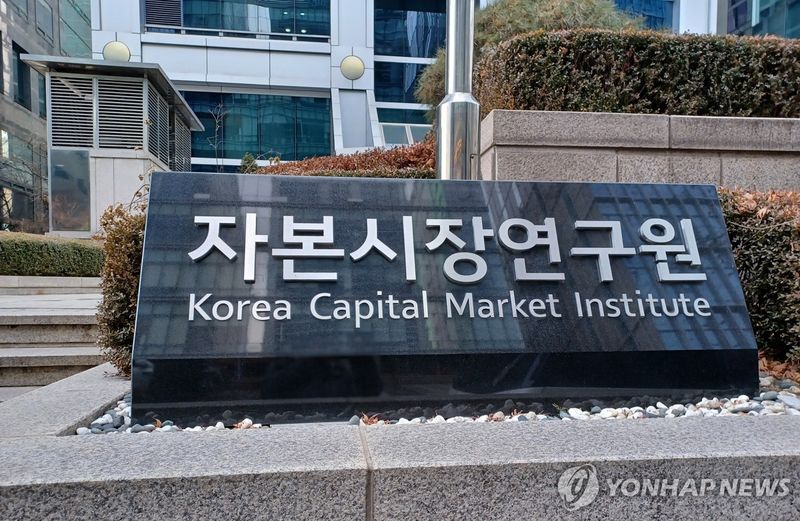
A report published on the 12th by the Korea Capital Market Institute, titled “The Soundness, Liquidity and Systemic Risk of the US Private Credit Market,” estimates the market at about $2.5 trillion (approximately ₩3,339 trillion). It has grown by an average of 20% annually over the five years since 2020, but concerns are mounting over loan defaults and declines in funds’ net asset values (NAVs) amid rising interest rates and weaker profitability at borrowing companies.
Domestic investment exposure is also substantial. According to the Financial Services Commission, the Financial Supervisory Service and other sources, as of the end of February this year, domestic financial companies, pension funds and mutual aid associations had invested ₩55.9 trillion in overseas private loans, up about 37% from the end of 2023. The financial sector invested ₩30.5 trillion, while pension funds and mutual aid associations invested ₩25.4 trillion. Insurers accounted for ₩20.6 trillion, or 67.4% of the financial sector’s total. The US accounted for 58.4% of the financial sector’s investments and 63.0% of those by pension funds and mutual aid associations.
Financial authorities said the exposure amounted to just 0.42% of the financial sector’s total assets and 1.2% of the assets managed by pension funds and similar institutions, and assessed the risk as manageable. Shin Bo-seong, a senior research fellow at the Korea Capital Market Institute, however, focused less on the funds’ own liquidity risks than on the possibility that losses could spread to financial institutions such as banks and life insurers.
The repayment capacity of US private credit borrowers is already deteriorating. According to the report, borrowing rates have risen from about 6% during the zero-interest-rate period to around 12%. As of 2023, about one-third of borrowing companies were found to be unable to cover even their interest expenses with operating income. The share of loans using the payment-in-kind (PIK) method, in which interest is paid by adding it to the loan principal rather than in cash, also increased from 5–6% in 2022 to 12% in 2025.
The concern is that distress could spread beyond the funds. In the US, transactions have expanded in which corporate loans held by private credit funds are securitized as asset-backed securities (ABS) and sold to insurers, or banks lend to the funds. Structures in which private asset managers acquire life insurers and invest insurance funds in private credit have also become more widespread. This has created channels through which defaults by borrowing companies could spread beyond the funds to the financial sector as a whole.
“The private credit market does not exist in isolation within a closed ecosystem,” Shin said. He warned that “by focusing only on the private credit market, we must be careful not to lose sight of the financial system as a whole.”
In particular, if fund NAVs plunge, pension funds, insurers and banks could sell liquid assets such as bonds to respond to investment losses, potentially triggering price declines across financial markets. This, however, is a risk scenario predicated on a sharp reassessment of asset values.
Shin also warned domestic investment institutions: “As global financial firms and investors reduce their positions in preparation for a crisis, domestic pension funds or financial companies should not take on those positions.”
[email protected] Kim Hyun-jung Reporter