Daily average semiconductor export value surges 304% ... upward pressure on prices and real estate persists
- Input
- 2026-10-12 12:00:00
- Updated
- 2026-10-12 12:00:00
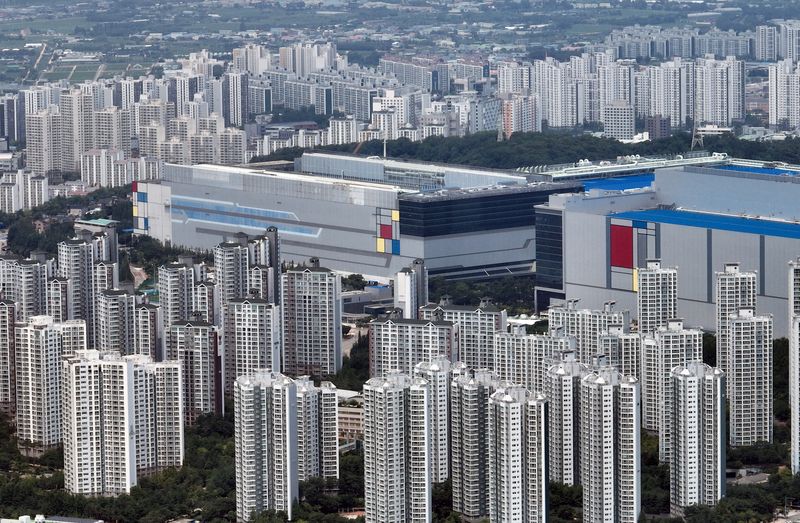
However, pressure from rising prices and real estate prices, indicators of domestic demand, continues. Core inflation excluding the base effect from telecom fees continued to rise month on month amid increases in global oil prices and production costs. Home sale prices continued to climb, particularly outside Gangnam, while increases in jeonse and monthly rents remained high at 0.5% or more.
According to the economic trends report released by the Korea Development Institute (KDI) on the 12th, total exports in September rose 83.5% year on year.
On a daily average value basis, semiconductor and computer exports surged 304.9% and 497.6%, respectively, driving the strong export performance. The increases are attributed to growing demand as AI infrastructure expands and sharp price rises.
Exports of steel products (15.3%) and nonferrous metals (49.1%) also increased as demand for AI infrastructure investment expanded. Ship exports (45%) and petroleum product exports (92%) likewise posted strong gains, partly due to higher export prices.
Consumer price inflation in September was 2.9%, down 0.2 percentage points from the previous month (3.1%). However, excluding the base effect of the sharp rebound in the price index following last year's telecom-fee discounts, inflation was actually 3.1%, up from 2.7% the previous month.
Goods inflation accelerated, rising from 2.3% to 3.1%, partly as inflation for processed foods increased from 1.5% to 2.1%.
Core inflation excluding telecom fees also rose, from 2.6% the previous month to 2.8%. This is attributed to continued upward pressure from global oil prices and production costs. A sharp rise in global oil prices pushed international airfares up from 14.1% to 22.5%. Durable goods inflation also rose by 0.8 percentage points, from 4.1% to 4.9%, as higher production costs were reflected in major IT devices such as mobile phones (4.3% to 8.3%) and computers (23.7% to 27.4%), widening the increase.
In the housing market, both sale and rental prices remain high, particularly in the Seoul metropolitan area.
The nationwide increase in home sale prices in August was 0.32%, a slight decline from 0.35% the previous month. Prices were held in check in Dongtan-gu (3.3% to 1.13%) and Gangnam-gu (0.56% to -0.18%), but many areas, including Seoul's Gangbuk region (1.23% to 1.25%), continued to post steep gains.
Nationwide, increases in jeonse and monthly rental prices eased slightly by 0.03 percentage points, but remained high at around 0.35%. Prices in the Seoul metropolitan area followed a similar trend in August, with monthly rents up 0.59% and jeonse prices up 0.63%.
[email protected] Kim Jun-hyeok Reporter