One in two Seoul apartment sales at or above previous peak prices ... clear uptrend since the start of the year
- Input
- 2026-10-12 11:36:32
- Updated
- 2026-10-12 11:36:32
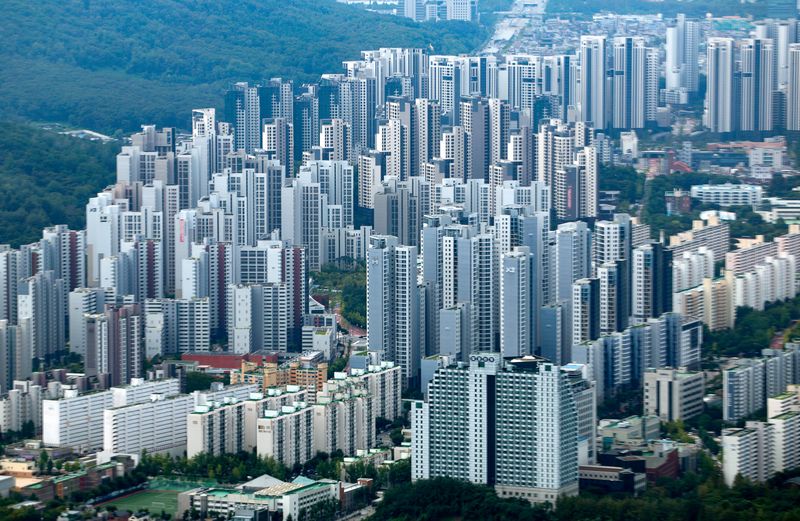
Notably, transactions that regained previous peak prices have risen rapidly, particularly in Seoul’s outer districts. In 22 of Seoul’s 25 districts, the share of Q3 transactions at or above previous peaks was higher than in Q1. Eunpyeong-gu saw the share rise from 26.1% in Q1 to 50.0% in Q3, meaning one in two transactions reached its previous peak. Dongdaemun-gu (45.7%→81.9%), Seongbuk District (32.1%→68.5%), Seodaemun-gu (44.4%→73.5%) and Jungnang-gu (13.2%→41.4%) also posted sharp increases. The share also grew from the start of the year in traditionally outer districts such as Nowon District (8.1%→24.9%), Gangbuk District (8.9%→34.5%) and Dobong District (6.1%→12.4%).
By contrast, the shares in areas with a high concentration of high-priced housing such as Gangnam-gu (55.0%→43.0%), Seocho-gu (67.6%→62.6%) and Yongsan-gu (71.3%→66.9%) edged down from Q1, highlighting a divergence. This is seen as reflecting a shift in end-user demand toward relatively more affordable areas amid lending restrictions and financial pressures.
In Gyeonggi Province, 22.4% of Q3 transactions were at or above previous peaks, up from 12.0% in Q1 and 18.9% in Q2.
Bundang-gu, Seongnam-si, posted a striking recovery rate of 94.1%, the highest in Gyeonggi Province. Other areas with strong access to Seoul and high residential appeal also ranked near the top, including Sujeong District, Seongnam (77.2%), Suji District, Yongin-si (74.1%), Hanam City (73.6%), Jungwon-gu, Seongnam-si (65.4%), Dongan-gu, Anyang-si (60.3%), Gwangmyeong City (59.6%) and Guri-si (51.0%). By contrast, the shares remained in the single digits in Uijeongbu-si (6.4%) and Paju-si (4.0%), highlighting a clear divide even within the Gyeonggi region. Incheon also showed a gradual recovery, with the share at 6.5% in Q3.
Outside the capital region, Jeonbuk (19.9%), Jeju (13.5%) and Ulsan (12.4%) recorded relatively high shares of transactions at or above previous peaks. Signs of recovery from the start of the year were also seen in some metropolitan city districts, including Nam-gu and Jung-gu in Ulsan and Seo-gu and Yuseong-gu in Daejeon.
A Zigbang official said, “End-user demand is supporting prices amid concerns over a shortage of supply and rising rental prices. However, the burden of financing costs amid future interest rate and lending conditions, along with accumulated price fatigue, could become factors.”
[email protected] Jeon Min-gyeong Reporter