Protein at All Costs for Fall Hair Loss? A “Smart Diet” Protects Your Hair [Smart Wellness]
- Input
- 2026-10-12 15:03:26
- Updated
- 2026-10-12 15:03:26
[Financial News] Autumn is the season when people tend to lose especially large amounts of hair. As daylight hours decrease, male hormone production temporarily increases, while dry air damages the scalp’s barrier. Many people rush to focus on “protein” first to prevent hair loss. But hair grows through the interplay of various nutrients—not just protein—including iron, zinc, iodine and vitamins. Here are the key elements of a “smart hair diet” to help guard against hair loss in autumn.
Two ways to get protein... Animal Protein vs. Plant Protein
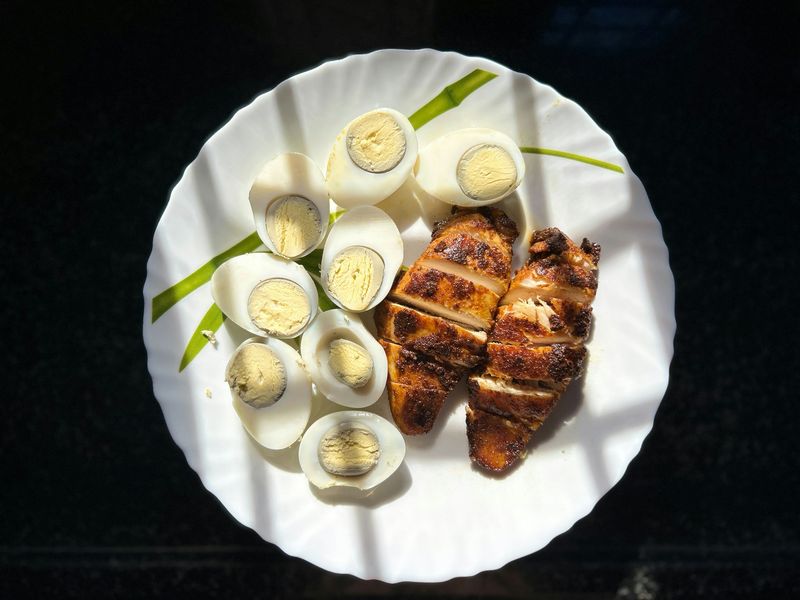
At least 80% of hair is keratin protein. Getting enough high-quality animal protein can help replenish protein. Chicken breast in particular is a go-to food for healthy hair, as it provides not only protein but also zinc, iron and biotin, all essential for keratin synthesis.
The Korea Disease Control and Prevention Agency recommends that adults consume 0.8–1.2 g of protein per kilogram of body weight per day. An adult weighing 70 kg needs around 56–84 g of protein daily. A 100 g serving of chicken breast provides about 20 g of protein.
If animal protein feels like too much, plant protein can be an alternative. Soybeans and tofu, leading sources of plant protein, contain linolenic acid, an essential fatty acid that helps keep blood vessels healthy and maintain the scalp barrier. They are also rich in isoflavones, which are known as plant-based female hormones. Isoflavones play a role in slowing hair follicle miniaturization. Anthocyanins, abundant in black beans, are well known as antioxidants and hair-loss-preventing compounds that can slow the aging of hair roots.
However, it’s wise to pair soybeans with seaweed. Saponins in soybeans cause the body to excrete iodine, a key mineral for hair growth. Eating seaweed such as wakame or kelp alongside soybeans can help replenish depleted iodine as well as provide iron and calcium in balanced amounts. The fat-soluble vitamins A, D and E found in abundance in kelp can also help with hair regeneration.
Biotin helps protein metabolism, iron helps deliver nutrients... How can you boost absorption?
Biotin and iron can also help keep hair healthy. Biotin helps metabolize protein and fat, helping prevent hair loss. It also plays a role in easing seborrheic dermatitis of the scalp and dandruff.
Eggs are rich in biotin. However, eggs should always be cooked before eating. That’s because avidin in raw egg whites binds to biotin and interferes with its absorption in the intestines. Heating eggs until hard- or soft-boiled denatures (inactivates) the avidin protein, maximizing the body’s absorption of biotin.
Finally, iron helps produce hemoglobin in the blood, which carries oxygen and nutrients to the scalp’s capillaries. Iron is better absorbed when consumed with vitamin C. Vitamin C in citrus fruits promotes the production of collagen, the connective tissue that supports hair follicles, helping to keep hair stronger.
Pork Belly and Fried Foods Strike Back... Beware of Stimulating a “Hair-Loss-Causing Hormone”
Just as important as eating beneficial foods is cutting back on harmful ones. Fatty meats such as pork belly and fried foods such as French fries increase triglycerides and bad cholesterol (LDL) in the blood. Cholesterol is used in the body to produce DHT (dihydrotestosterone), a male hormone and potent cause of hair loss, accelerating the progression of hereditary hair loss. Blood made stickier by cholesterol can impede circulation in the microvasculature and block the supply of nutrients to the scalp’s hair follicles.
Ways to make life healthier and more vibrant are closer than you think. [Smart Wellness] shares ways to care for body and mind, drawing on scientific evidence and the latest trends. Subscribe to the reporter’s page to receive [Smart Wellness] with ease.
[email protected] Kim Hyeon-seon Reporter