Would keeping defendants locked up longer also speed up trials? What to consider before extending detention
- Input
- 2026-10-12 13:57:37
- Updated
- 2026-10-12 13:57:37
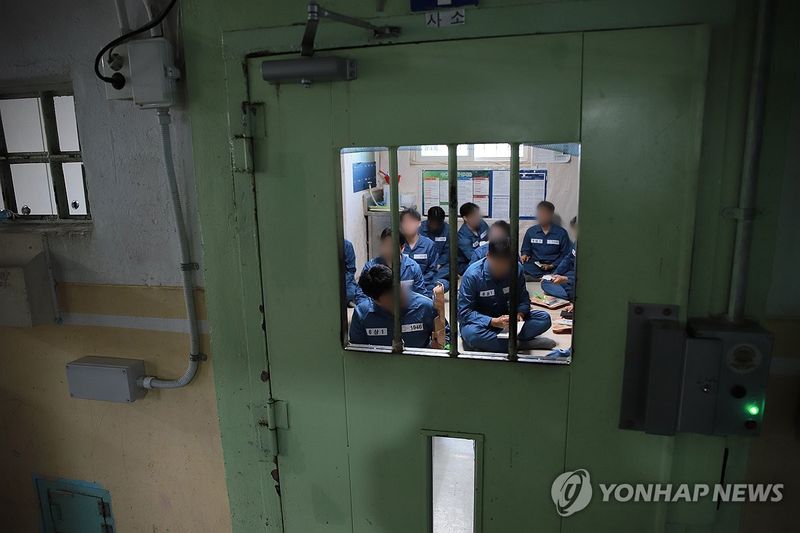
[Financial News] Amid forecasts that trials could take longer following the separation of investigations and prosecutions, legal circles are seeing calls to extend defendants’ detention periods. The aim is to allow sufficient hearings in complex cases and guard against the risks of evidence destruction or flight if defendants are released before sentencing. However, because extending detention and reducing trial delays are separate issues, the prevailing view is that the first step in deciding whether an extension is necessary should be to examine how the current detention period is being used.
According to legal circles on the 12th, under the Criminal Procedure Act, a defendant’s detention period is generally two months. If continued detention is particularly necessary, it can be renewed twice at each level of court. The commonly cited “six months” is the total of those periods. At the appellate level, a third renewal is also possible in unavoidable cases requiring additional hearings.
A defendant’s release when the detention period expires does not bring the trial to an end. The remaining hearings proceed with the defendant out of custody, after which guilt or innocence and the sentence are determined. The view is that release upon the expiration of the detention period should not automatically be regarded as a gap in punishment. However, legal circles say that how to manage the risk of flight or evidence destruction after release must be assessed separately in each case.
Those calling for an extension emphasize the complexity of cases. They argue that, with investigations and prosecutions separated, sufficient time is needed to determine the degree of involvement of multiple defendants and review voluminous accounting records or digital evidence. They also argue that rushing the process of hearing witness testimony in court and examining disputed evidence could instead undermine the thoroughness of the proceedings.
Legal circles say it needs to be established whether case complexity is really the sole reason there is not enough time. Waiting for the first trial, witnesses failing to appear, delays in expert findings, parties’ requests to change hearing dates, and the court’s scheduling adjustments are all different causes. The explanation is that if detention periods are extended without distinguishing among them, the actual causes of delay may remain unchanged.
A lawyer who previously served as a senior prosecutor said, “Beyond arguments for or against extending detention, we need to be able to explain what made more time necessary in actual cases. By comparing trial records, records of changes to hearing dates, and written submissions filed by defense counsel, we can more concretely assess the preparation time that was needed and the delays that could have been reduced.”
How much longer trials may take following the separation of investigations and prosecutions is also something that will need to be examined going forward. Without distinguishing delays that existed before implementation from those newly caused by the change in the system, it will be difficult to accurately assess the impact of the reform.
A criminal law specialist at a major law firm said, “For victims, it is important that cases be resolved swiftly; for defendants, it is important to mount an adequate defense while avoiding unnecessary detention. To meet both needs, before asking ‘How much longer should defendants be held?’ we must answer ‘Why is more time needed?’ The basis for discussions about extending detention should be found in the records of actual case proceedings, not in vague forecasts of drawn-out trials.”
[email protected] Yoo Seon-jun Reporter