Landlord who drove out tenant saying “I’ll live there” rents it out again and is ordered to pay 30 million won
- Input
- 2026-10-12 10:57:09
- Updated
- 2026-10-12 10:57:09
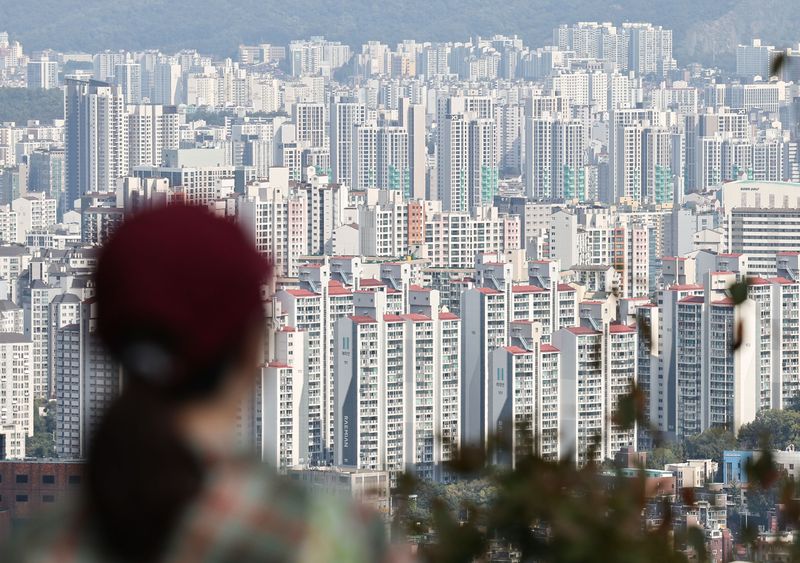
[Financial News] The Supreme Court has ruled that a landlord who rejects a tenant’s request to renew a lease on the grounds that the landlord intends to live in the property is liable for damages if they then rent it to a third party. The court said the landlord must have faced circumstances that could not have been foreseen when refusing renewal and must also prove that renting to a third party was unavoidable.
Landlord refused to renew the lease... lived there for 1 year and 2 months, then rented it out at a higher deposit
According to legal sources on the 12th, the Supreme Court’s Second Division, with Justice Kwon Young-jun presiding, last month upheld a ruling in favor of tenant Kim in a damages suit against landlord Lim.
Kim lived in an apartment in Seoul’s Seodaemun-gu after signing a two-year lease with a 660 million won deposit. Kim said they wanted to renew the lease four months before it expired, but Lim refused, saying that Lim intended to live in the apartment. Kim then moved out when the lease ended.
After Kim moved out, Lim did in fact live in the apartment for 1 year and 2 months, then rented it to a third party for a deposit of 820 million won.
Under the Housing Lease Protection Act, a landlord may refuse to renew a lease if the landlord or a lineal ascendant intends to live in the property. However, if the landlord rents the property to a third party without justifiable grounds before the end of the period for which the lease would have been renewed had the renewal request not been refused, the landlord must compensate the tenant for losses caused by the refusal.
Kim filed suit, arguing that Lim had refused to renew the lease on the grounds of intending to live in the apartment, yet rented it to a third party without justifiable grounds before the two-year term ended, and therefore had to compensate Kim for losses resulting from the refusal to renew.
Lim claimed that after living there for nearly two years, Lim had no choice but to rent out the apartment because six tenants of another property Lim owned demanded the return of security deposits totaling 690.28 million won.
Landlord wins at first trial, ruling overturned on appeal... Supreme Court: “Refusal to renew was not unavoidable”; damages award upheld
The first-trial court ruled in Lim’s favor, finding that the obligation to return the lease deposit constituted a circumstance that could not have been foreseen when the lease renewal was refused. The court explained, “If Lim had been barred from entering into a lease with a third party, Lim would have had no choice but to take measures such as selling the apartment in this case while paying about 300 million won in capital gains tax,” adding, “This would significantly restrict Lim’s exercise of property rights.”
The appeals court overturned the first-trial ruling, ordering Lim to pay 30.79 million won in damages. It reasoned that the obligation to return tenants’ deposits for another property had already arisen when the lease renewal was refused, and that it was foreseeable that the deposits would have to be returned around the time the lease expired. It also found that renting the apartment to a third party was just one of several ways to raise the money for the deposits.
The Supreme Court also found the appeals court’s ruling to be correct. It stated, “For justifiable grounds to be recognized under the Housing Lease Protection Act, the landlord must have needed to rent the property to a third party because of circumstances that could not have been foreseen when refusing to renew the lease, and renting the property to a third party must have been unavoidable.” The court added that the circumstances cited by Lim could have been foreseen at the time of the refusal and that renting out the apartment could not be considered unavoidable, and it upheld the lower court’s ruling.
[email protected] Ahn Ga-eul Reporter